
Rómulo Macció: Argentine Neo‑Figurative Painter and Avant‑Garde Artist
Rómulo Macció (1931–2016) was an influential Argentine painter of the 1960s avant‑garde. A key figure in Neo‑figuration and associated with Otra Figuración, he challenged conservative aesthetics with bold, urban imagery.
Overview
Rómulo Macció (1931 – 11 March 2016) was an Argentine painter best known for his central role in the Neo‑figurative movement that emerged in Buenos Aires in the late 1950s and early 1960s. Born in Buenos Aires, he became associated with a generation of artists who rejected both academic tradition and pure abstraction, advocating instead for a renewed engagement with the human figure and contemporary urban experience.
Image gallery
1 Image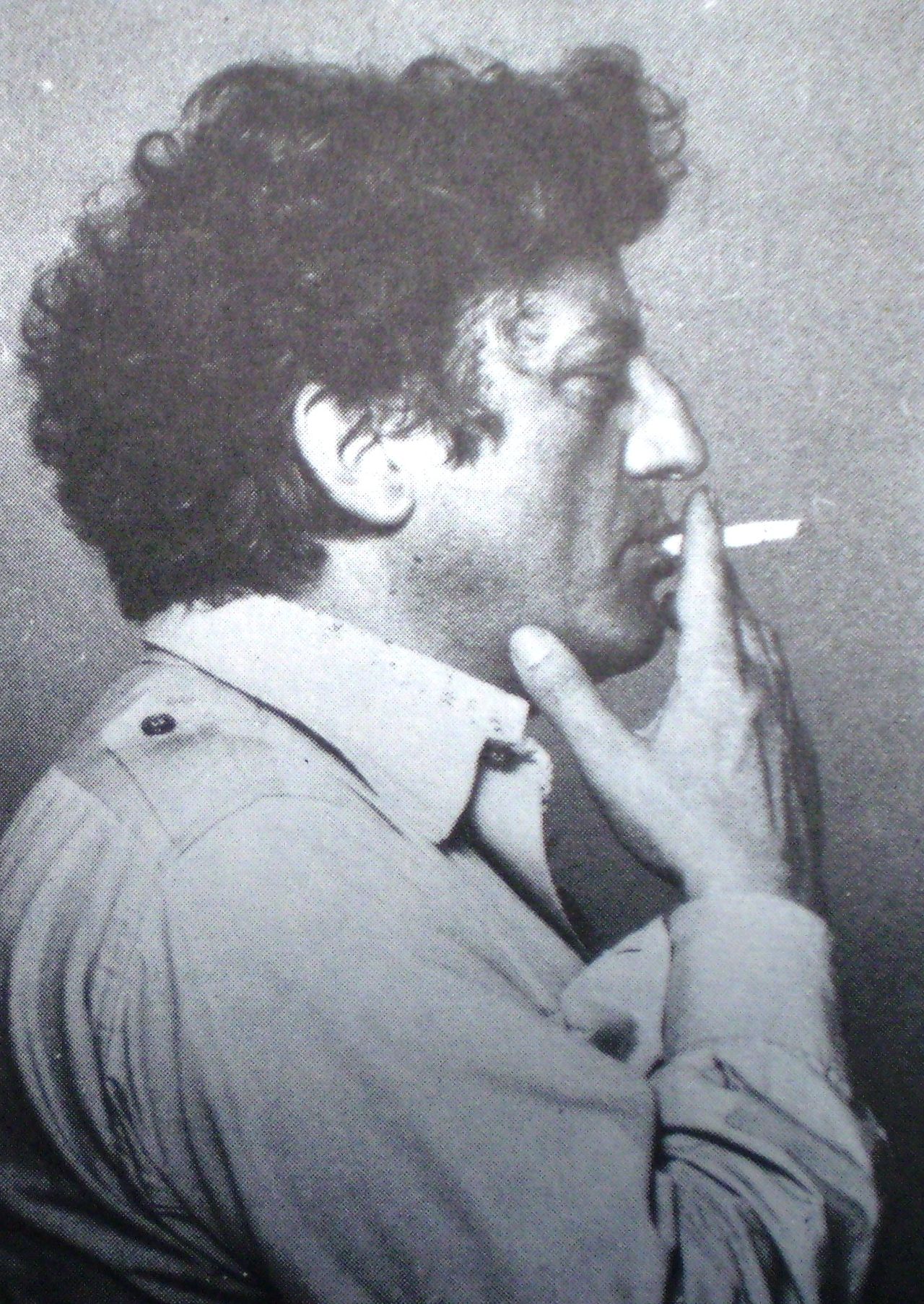
Early life and influences
Details of Macció's early training are limited in general accounts, but his formation took place in the cultural milieu of mid‑century Argentina, where debates about modernism, popular culture and politics shaped artistic choices. He reacted against what he called the prevailing sentimental or decorative tendencies in portraiture and landscape painting, a criticism famously encapsulated in his phrase "pink chocolate," which signaled a desire for a more visceral and immediate art.
Neo‑figuration and Otra Figuración
In the early 1960s Macció became identified with Neo‑figuration, a broad tendency across Latin America that reintroduced the human figure in a raw, expressive manner to address social and psychological realities. He is often linked with the Argentine group Otra Figuración, which included several contemporaries who explored similar aims. That moment brought together artists who used figuration to respond to rapid social change, mass media imagery and political tensions.
Style and technique
Macció's paintings are marked by energetic brushwork, strong contrasts, and an often confrontational use of color and form. He combined figurative elements with graphic and sometimes pop‑influenced motifs, producing works that emphasize expression over likeness. Faces and bodies in his canvases are frequently treated as sites of emotional intensity, irony or social unease rather than as portraits in the traditional sense.
Recognition and exhibitions
During his career Macció received early recognition in Argentina, including the De Ridder Prize in 1959 and the Torcuato di Tella Institute International Prize in 1962, awards tied to institutions central to the country’s cultural life at the time. He exhibited nationally and internationally and participated in the vibrant cultural networks that circulated ideas between Latin America and Europe in the 1960s and afterward.
Legacy and later life
Macció helped shift Argentine painting away from an exclusive focus on geometric or non‑objective abstraction toward works that engaged directly with human presence and contemporary subjects. His influence can be seen in subsequent generations of Latin American painters who blend expressive gesture with social commentary. He continued to work and show his art over many decades and died in Buenos Aires on 11 March 2016, at the age of 84.
Notable points
- Awarded: De Ridder Prize (1959) and Torcuato di Tella Institute International Prize (1962).
- Movement: Prominent participant in Neo‑figuration and linked to Otra Figuración in Argentina.
- Artistic aim: To replace polished academic modes with more immediate, urban and psychologically charged images.
- Enduring significance: Regarded as a key figure in the reappearance of the figure in Latin American art of the 1960s and its aftermath.
Related articles
Author
AlegsaOnline.com Rómulo Macció: Argentine Neo‑Figurative Painter and Avant‑Garde Artist Leandro Alegsa
URL: https://en.alegsaonline.com/art/83950