
Roman Kingdom: origins, institutions, and legacy
An overview of the Roman Kingdom (Regnum Romanum): its traditional origins, political and religious institutions, the list of early kings, and its transformation into the Roman Republic.
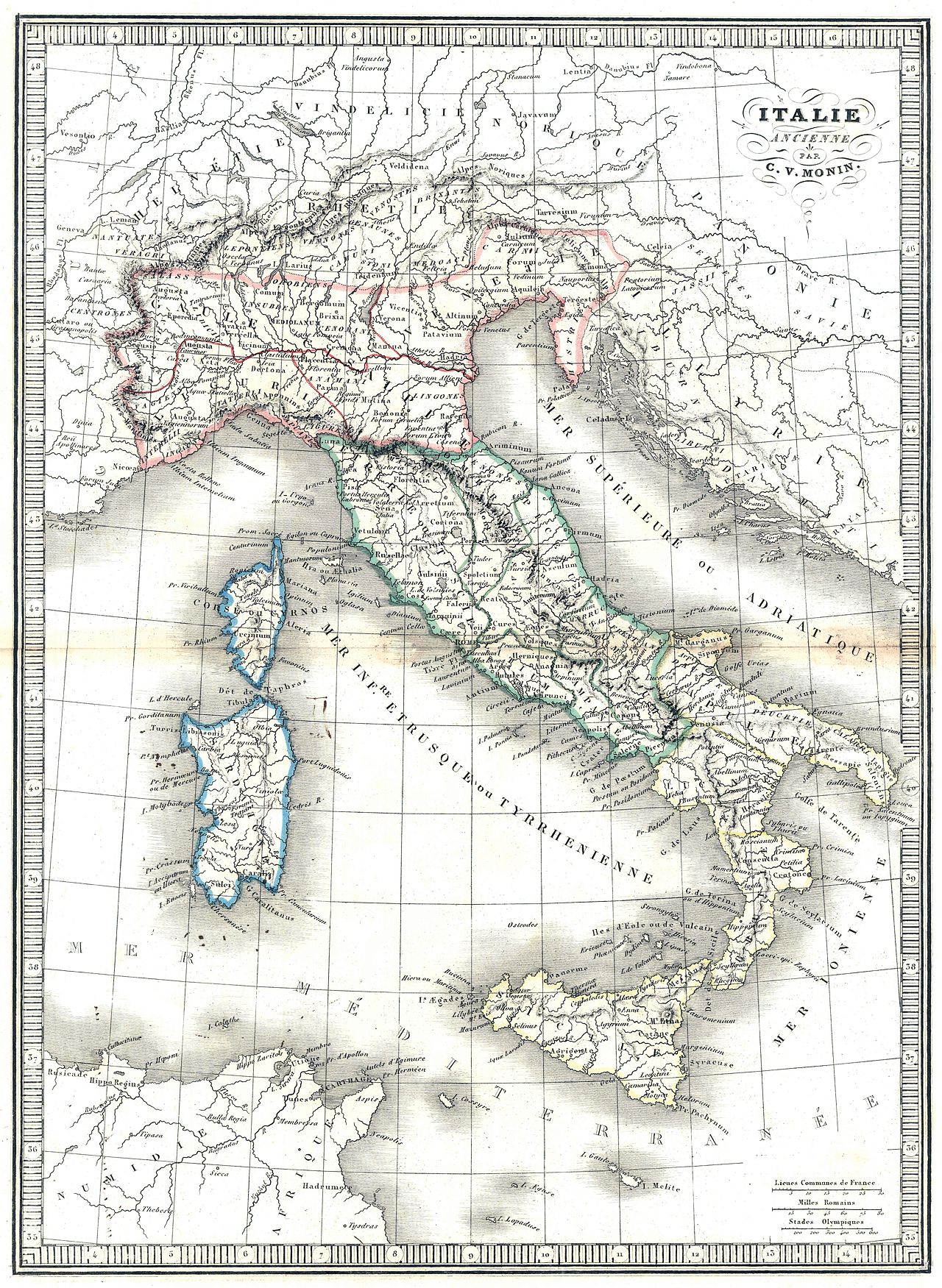
The Roman Kingdom (Latin: Regnum Romanum) refers to the early monarchical period of Rome traditionally dated from the city's founding in 753 BC to the establishment of the Republic around 509 BC. Contemporary written records from the period do not survive; later Roman historians combined oral tradition, annalistic reconstruction, and legend to produce the narratives we have today. As a result, many details remain uncertain and should be treated cautiously.
Image gallery
10 Images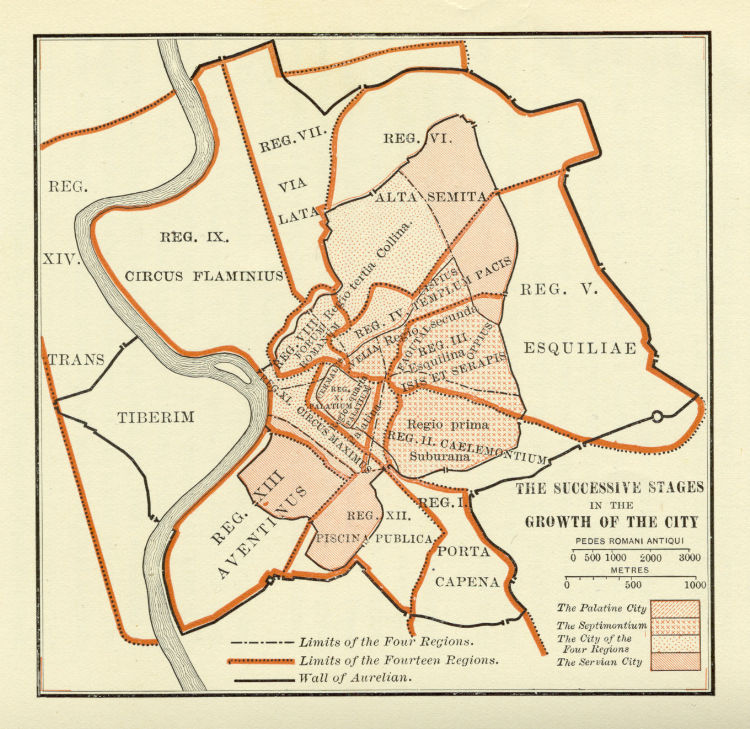






Overview and nature of rule
In later accounts the Roman king combined religious, military and judicial powers. He exercised imperium — the authority to command troops and administer justice — and performed priestly rites that linked civic life with sacred obligations. The king was supported by advisory bodies and officials: a council of elders (the early form of the Senate), civic assemblies that ratified certain actions, and lictors who symbolized his authority. Modern scholars debate how much of this picture reflects early practice and how much was projected back from later institutions.
Institutions and civic structure
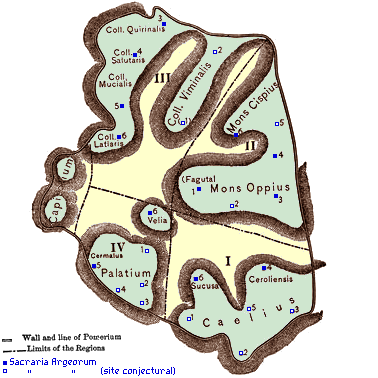
Key elements described in the sources include the king, the senate, and popular assemblies such as the comitia curiata. The senate functioned as an advisory council of patres (fathers or leading families). The religious dimension of government was strong: the king oversaw state rituals, auspices, and laws interpreted in light of omens and tradition. Urban and social organization — including curiae and early centuriate or tribal divisions — provided the framework for administration, military levies, and voting.
Traditional kings and early development
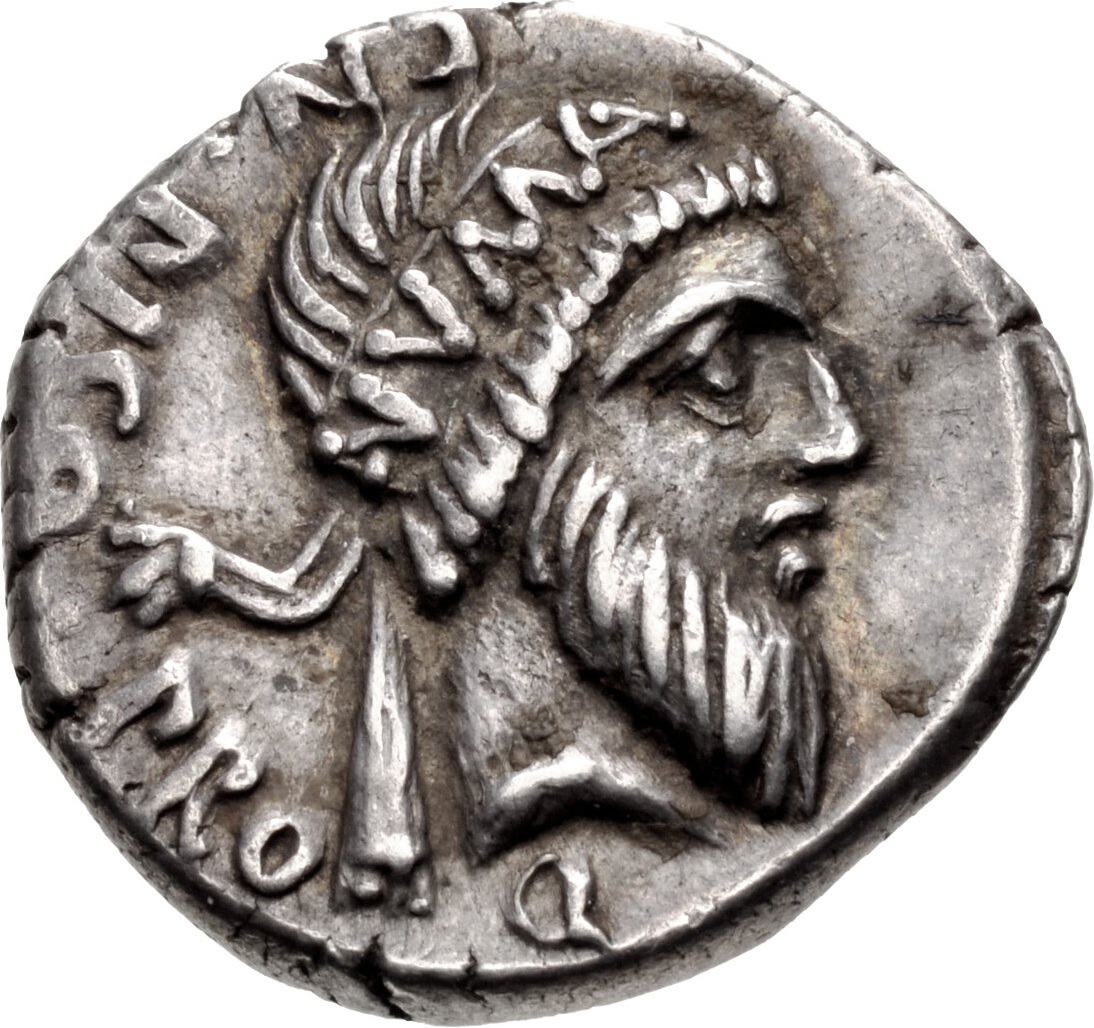
Roman tradition lists seven kings often named as Romulus, Numa Pompilius, Tullus Hostilius, Ancus Marcius, Lucius Tarquinius Priscus, Servius Tullius, and Lucius Tarquinius Superbus. These figures are associated with foundational acts: city planning, religious institutions, legal and military reforms, and social organization. Archaeology and comparative study of neighboring Italian peoples (notably the Etruscans) suggest external influences on Rome's development, although the sequence and dating of events remain debated.
End of the monarchy and legacy
According to later Roman authors, the expulsion of the last king followed a crisis involving the royal household and elite opposition, after which Rome adopted a republican system of annually elected magistrates and a more powerful senate. The transition is usually dated to about 509 BC and marks a critical turning point in Roman political evolution. The memory of the kingdom continued to shape Roman law, religion, and identity for centuries.
Why the Roman Kingdom matters
Although shrouded in legend, the Roman Kingdom is important as the formative phase that established institutions and traditions later adapted by the Republic and Empire. For accessible introductions consult modern works and online summaries; for example, entries on monarchy and Roman institutions are available from general reference sources and academic overviews. See also monarchical government, early Roman institutions, founding traditions, Roman Republic, and Roman Empire.
- Traditional founding date: 753 BC (legendary)
- Traditional end: ca. 509 BC (establishment of the Republic)
- Primary sources: later Roman historians and annalists, supplemented by archaeology
Questions and answers
Q: What was the Roman Kingdom?
A: The Roman Kingdom was the monarchical government of the city of Rome and its territories.
Q: Are there any surviving written records from the time of the Roman Kingdom?
A: No, there are no surviving written records from the time of the Roman Kingdom.
Q: When was the city of Rome founded?
A: The city of Rome was traditionally dated to be founded in 753 BC.
Q: When did the Roman Kingdom end?
A: The Roman Kingdom ended with the overthrow of the kings and the establishment of the Republic in about 509 BC.
Q: Were the histories about the Roman Kingdom written during that time?
A: No, the histories about the Roman Kingdom were written during the Roman Republic and the Roman Empire.
Q: What are the histories about the Roman Kingdom largely based on?
A: The histories about the Roman Kingdom are largely based on legend.
Q: How much is certain about the history of the Roman Kingdom?
A: Not much is certain about the history of the Roman Kingdom.
Related articles
Author
AlegsaOnline.com Roman Kingdom: origins, institutions, and legacy Leandro Alegsa
URL: https://en.alegsaonline.com/art/83858