
Roger Sherman: Founding Father, Lawyer, and Architect of the Great Compromise
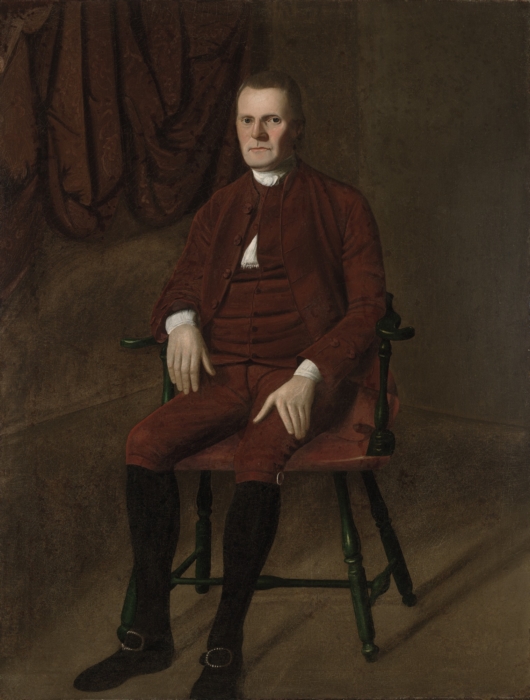
Roger Sherman (1721–1793), a Connecticut statesman and the only person to sign the four major founding documents of the United States; influential in law, Congress, and the Constitutional Convention.
Overview
Roger Sherman (April 19, 1721 – July 23, 1793) was an American Founding Father, lawyer, and political leader from Connecticut. He is unique among the nation's founders for having signed the Articles of Association, the Declaration of Independence, the Articles of Confederation, and the United States Constitution. Sherman's career exemplifies colonial social mobility: he rose from modest origins and a trade apprenticeship to become a prominent legal and political figure during the American Revolution and the early republic.
Image gallery
5 Images


Early life and career
Sherman began life in rural New England and trained as a shoemaker before entering public life. Largely self-educated, he studied law and built a reputation as a capable local lawyer and civic leader. He served in Connecticut's colonial assembly and in various municipal and judicial roles. His practical background and legal skill made him a respected intermediary between local concerns and national politics as the colonies moved toward independence.
Revolutionary era and national service
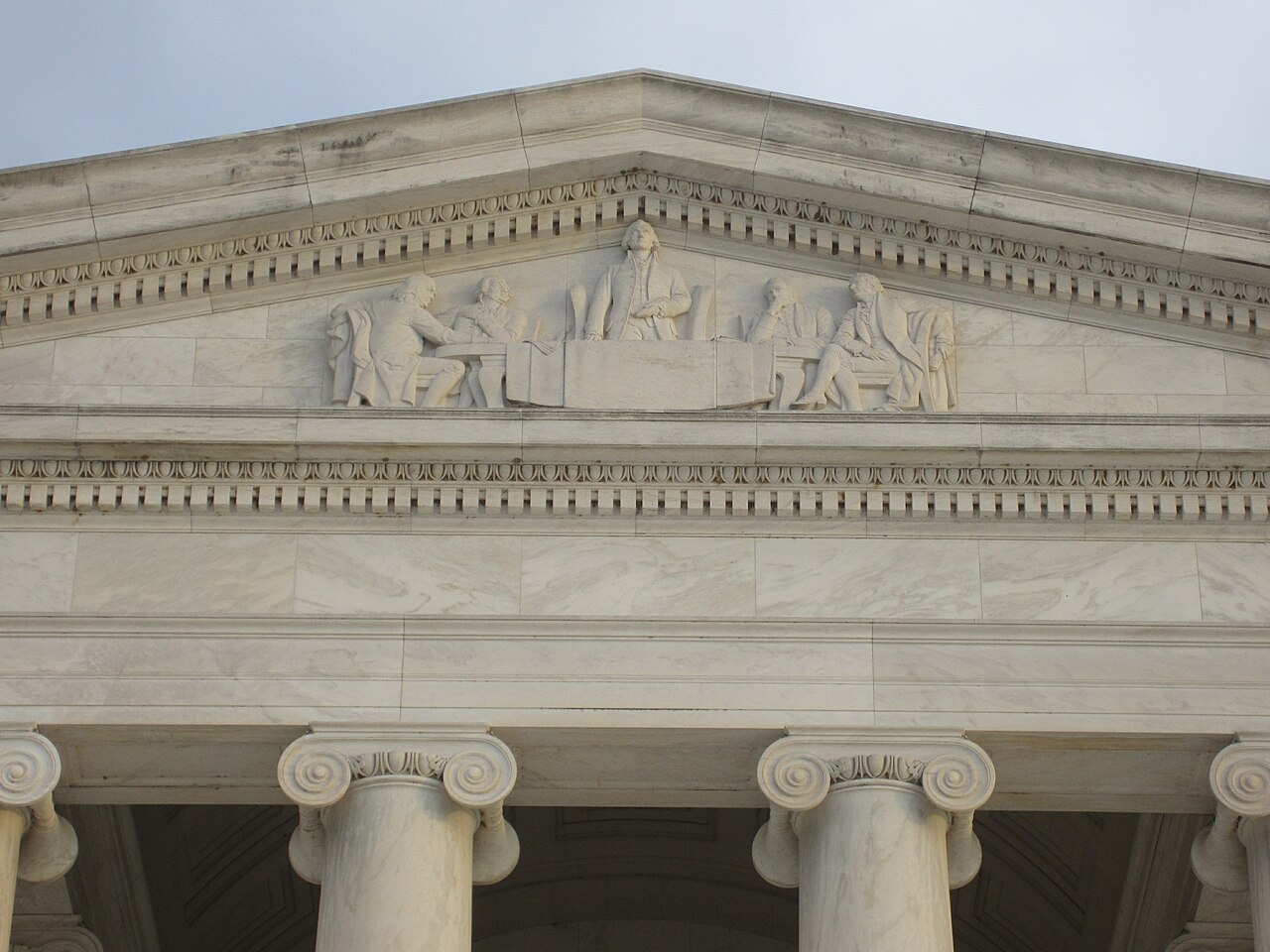
During the revolutionary period Sherman represented Connecticut in the Continental Congress, participating in the committees that drafted and reviewed central documents of the new nation. He was a member of the committee that prepared the Declaration of Independence alongside Thomas Jefferson, Jefferson, Benjamin Franklin, John Adams, and Robert R. Livingston. Sherman also signed the Articles of Confederation, the compact that governed the United States during and immediately after the war.
Constitutional Convention and the Great Compromise
At the 1787 Constitutional Convention Sherman played a central role in bridging disagreements between large and small states. He proposed and helped shape the compromise that led to a bicameral legislature: a lower chamber apportioned by population and an upper chamber providing equal representation for each state. That arrangement, often called the Great or Connecticut Compromise, resolved a key structural dispute and made the Constitution's passage possible. Sherman also advocated the practical mechanisms and wording that helped carry the draft toward ratification.
Later public life and legacy
After the new Constitution took effect, Sherman continued in public service, representing Connecticut in the national government as both a member of the House of Representatives and later in the Senate. His career combined legislative work, legal service, and state-level leadership. He is remembered for his steady, conciliatory temperament, commitment to practical solutions, and the rare distinction of having endorsed the four foundational documents of the Republic.
Key facts and contributions
- Only signer of four documents: Articles of Association, Declaration of Independence, Articles of Confederation, and the U.S. Constitution.
- Architect of compromise: Guided agreement on a two-house legislature that balanced population and state equality.
- Practical statesman: Brought legal knowledge and a craftsman's pragmatism to complex constitutional debates.
- Public offices: Delegate to the Continental Congress, participant at the Constitutional Convention, and later a federal legislator.
Sherman's story is often cited as an example of colonial self-improvement and civic responsibility. His influence is preserved in historical studies, memorials, and institutions that recall his role in forming the governmental framework of the United States. For further reading and archival materials consult specialized collections and state historical societies that maintain his papers and contemporary records (Jefferson, Adams, and other contemporaries provide context for the era).
Related articles
Author
AlegsaOnline.com Roger Sherman: Founding Father, Lawyer, and Architect of the Great Compromise Leandro Alegsa
URL: https://en.alegsaonline.com/art/83717