
Rogier van der Weyden
Rogier van der Weyden (c.1399–1464) was a leading early Flemish painter known for expressive religious altarpieces, triptychs and portraits; his style shaped Northern Renaissance art and influenced Italy and Spain.
Overview
Rogier van der Weyden, also known by the French form Roger de la Pasture, was one of the foremost painters of the early Northern Renaissance. Active in the mid-15th century, he produced large-scale religious altarpieces and highly finished painted portraits that combined careful drawing with intense human emotion. His workshop distributed numerous variations of key compositions, which made his imagery familiar across Europe.
Image gallery
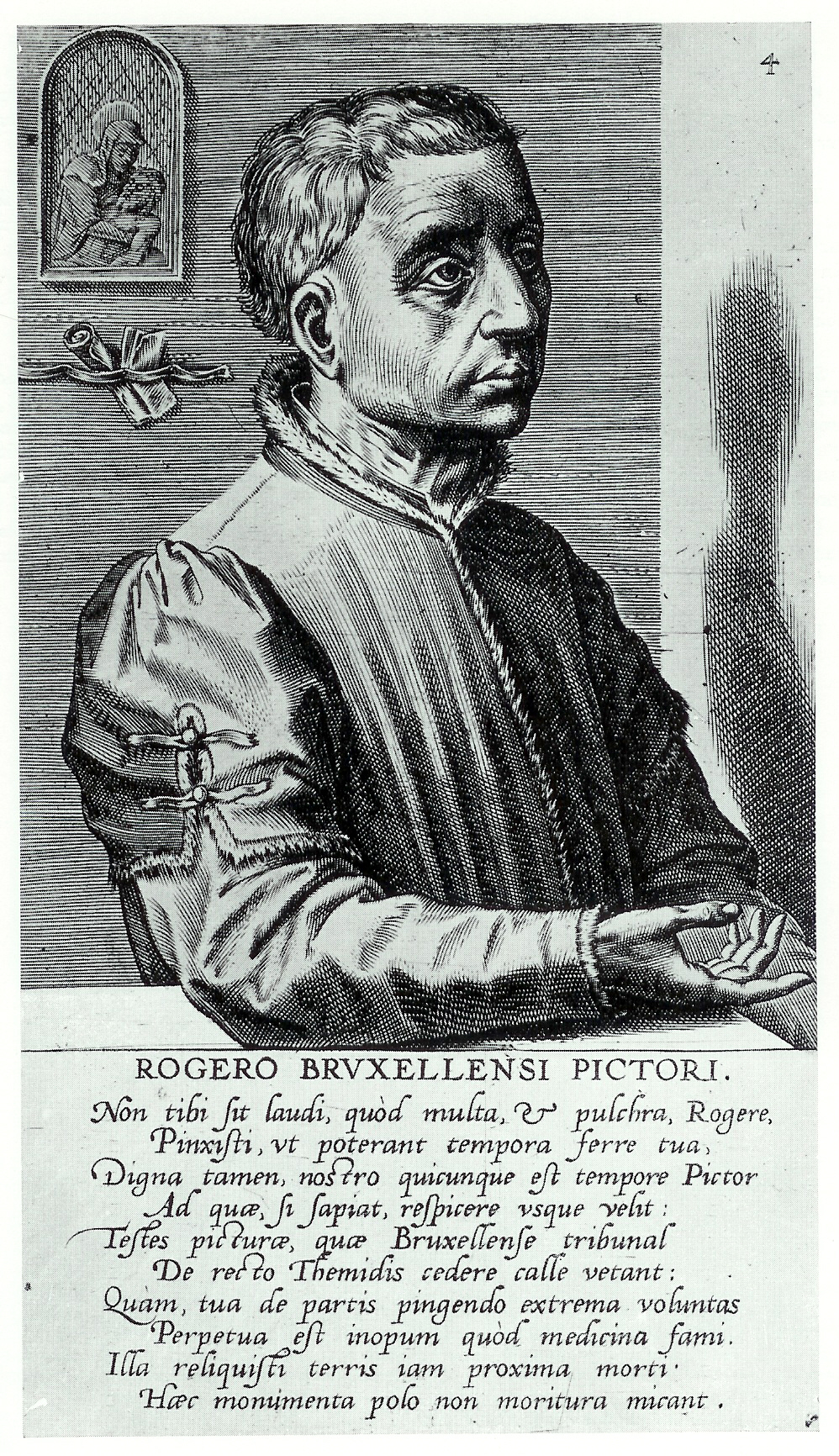
10 Images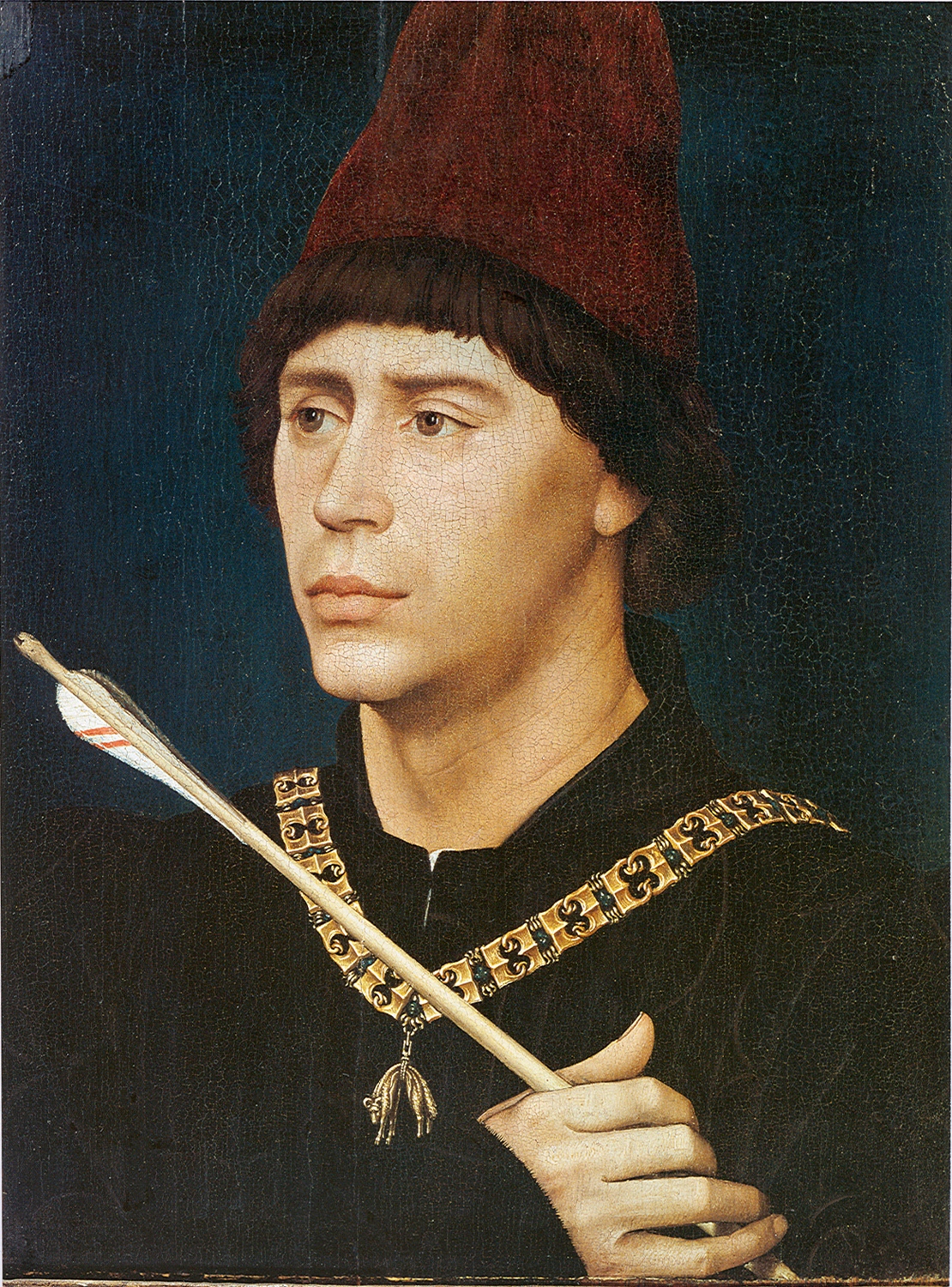


Life and career
Born in Tournai around 1399 or 1400, Rogier is documented under several name forms, including Rogelet de le Pasture. He established his professional career in Brussels, where he was appointed town painter in 1436 and adopted the Dutch form of his name, van der Weyden. Biographical records are scarce because important municipal archives were lost in later centuries, so many details of his life and workshop organization remain reconstructed from contracts, payments and the paintings themselves.
Typical works and formats
Van der Weyden is best known for religious triptychs and large altarpieces, and for devotional diptychs and single portraits. Many surviving compositions are variations on intimate, emotionally charged scenes: Passion subjects, the Descent from the Cross, Pietàs and donor portraits integrated into sacred settings. Surviving examples include painted triptychs and cabinet panels that circulated widely in both private and ecclesiastical collections. See notable formats such as triptychs and portrait diptychs like those discussed at portrait studies.
Style and characteristics
His paintings are distinguished by a synthesis of precise linear draftsmanship and a dramatic sense of gesture and expression. Common characteristics include measured, sculptural modeling of faces and hands, carefully observed drapery, and compositions that emphasize diagonals and concentrated emotional interaction among figures. He used oil paint to achieve rich color and subtle transitions of light and shade, producing a visual language that aimed to move viewers toward empathetic devotion.
Influence and reception
By the end of the 15th century Rogier's art was widely admired, in some regions eclipsing contemporaries like Jan van Eyck in popularity. Works attributed to him and to his workshop reached Italy and Spain, where his expressive approach contributed to the development of devotional painting. His images were copied, adapted and quoted by later Netherlandish artists, and the circulation of prints and painted replicas helped spread his visual manner.
Legacy and scholarship
Interest in van der Weyden has persisted among historians and curators, though the loss of archival documentation has made attribution and chronology challenging. Many paintings once attributed to him now survive as workshop versions or copies, which attests to his commercial success and the demand for his compositions. Modern scholarship continues to reassess his oeuvre, weighing technical study, stylistic comparison and documentary evidence to clarify the artist's hand and influence within the broader story of the Northern Renaissance. His origins in Tournai and his later role in Brussels remain key anchors for understanding his place in fifteenth-century art history.
- Notable subjects: Passion scenes, Pietà, donor portraits.
- Common media: Oil on panel used for altarpieces and cabinet paintings.
- Workshop practice: Active studio with copies and versions for export.
- Historical significance: Major figure of the Northern Renaissance with lasting regional impact.
For further thematic or technical overviews consult specialist literature and museum catalogues, which examine individual paintings, workshop connections and broader influences across Europe. Scholarly resources and exhibition studies remain the best route to trace how Rogier van der Weyden's visual language was transmitted and transformed over time.
Related articles
Author
AlegsaOnline.com Rogier van der Weyden Leandro Alegsa
URL: https://en.alegsaonline.com/art/83736