
Rodney Dangerfield: comedian and actor known for 'I don't get no respect!'
Rodney Dangerfield (Jacob Cohen, 1921–2004) was an American stand-up comedian and actor known for rapid-fire, self-deprecating one-liners, the catchphrase “I don't get no respect,” and film roles including Caddyshack.
Overview
Rodney Dangerfield, born Jacob Cohen in 1921, was an American stand-up comedian, actor and writer whose stage persona of a put-upon, unlucky everyman made him one of the most recognizable figures in 20th-century comedy. His trademark line I don't get no respect! and his tight, rapid-fire one-liners became a shorthand in popular culture for comic grievance and self-deprecation. He worked across nightclubs, records, television and motion pictures and received industry recognition, including a Grammy Award for his recorded comedy work. For a general profile see biographical material.
Image gallery
4 Images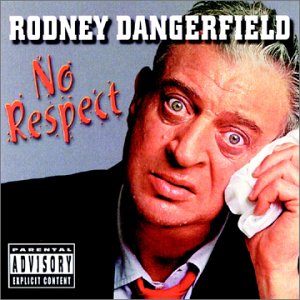


Early life and career development
Born in Babylon, New York, Dangerfield began performing under his birth name before adopting the stage name that would become famous. He spent many years working clubs and developing his writing and timing; after a period of limited success he reinvented his act around short, punchy jokes and a recurring character who chronicled his misfortunes. That reinvention helped him reach wider radio and television audiences and laid the groundwork for later successes in recording and film. His birthplace is recorded in public sources as Babylon, New York.
Comedy style and public image
Dangerfield’s material relied on concise one-liners, domestic observations and exaggerated anecdotes delivered with a distinct rhythm, posture and comic timing. The persona—constantly complaining about being disrespected—combined vulnerability with quick insult jokes, and it worked equally well on stage, in recordings and on television. He was known for polishing single lines to a high degree and for favoring a relentless, economical delivery that inspired many later comedians who employed short-form jokes.
Club ownership and role in comedy community
Beyond performing, Dangerfield opened and operated a New York comedy club that became a gathering place for established and emerging comics. The club provided a steady venue for live performance, encouraged the exchange of material among comics and helped maintain a visible center for stand-up in the city. His role as a club owner and mentor is often cited in discussions of how stand-up developed as a profession during the later 20th century.
Film, television and recordings
Dangerfield brought his stage persona into film and television, making several notable screen appearances that introduced him to mass audiences. Among his best-known films are:
He also released comedy albums that reached wide audiences; one of his recordings earned him a Grammy Award, a measure of his success in the medium and his influence on recorded comedy award notice. On television he was a frequent guest on late-night and variety programs, and his routines were widely circulated by television exposure and recordings.
Personal life
Dangerfield's private life included several marriages and family relationships. He was married to Joyce Indig, with whom he had two children; the couple divorced, remarried and divorced again. Later in life he married Joan Child, and that marriage lasted until his death. Records note marital events and legal filings in public sources (legal record note).
Death
Rodney Dangerfield died in Westwood, Los Angeles, in California following complications from surgery. Public accounts record his death in Westwood (city record) and identify the state as California. He was widely mourned by peers and by comedians who cited him as an influence on their approach to joke-writing and delivery.
Legacy and influence
- Dangerfield popularized a compact one-liner style that influenced generations of stand-up performers.
- His nightclub provided a platform for many comics and helped sustain New York's comedy scene.
- His catchphrase entered popular language and continues to be quoted or referenced in discussions of comic misfortune.
While his onstage character focused on constant disrespect, Dangerfield was respected within the industry for his craftsmanship in writing jokes, his control of rhythm and his ability to adapt a stage persona across records, television and film. For more detailed study, consult archival interviews, contemporary press coverage and collections that document American comedy of the mid- to late-20th century.
Related articles
Author
AlegsaOnline.com Rodney Dangerfield: comedian and actor known for 'I don't get no respect!' Leandro Alegsa
URL: https://en.alegsaonline.com/art/83656
Sources
- msnbc.msn.com : "Rodney Dangerfield dead at 82"
- smh.com.au : "Rodney Dangerfield dies at 82"