
Rocky (1976) — American sports drama and cultural milestone
Rocky (1976) is a low-budget American sports drama written by and starring Sylvester Stallone as Rocky Balboa, an underdog boxer from Philadelphia who gets a shot at the heavyweight title and became a cultural touchstone.
Overview
Rocky is a 1976 American sports drama film written by and starring Sylvester Stallone and directed by John G. Avildsen. The story follows Rocky Balboa, a working-class club fighter in Philadelphia in Pennsylvania, who is given an unexpected opportunity to fight the world heavyweight champion. Rather than presenting boxing solely as spectacle, the film concentrates on character, determination and the personal stakes behind the bout.
Image gallery
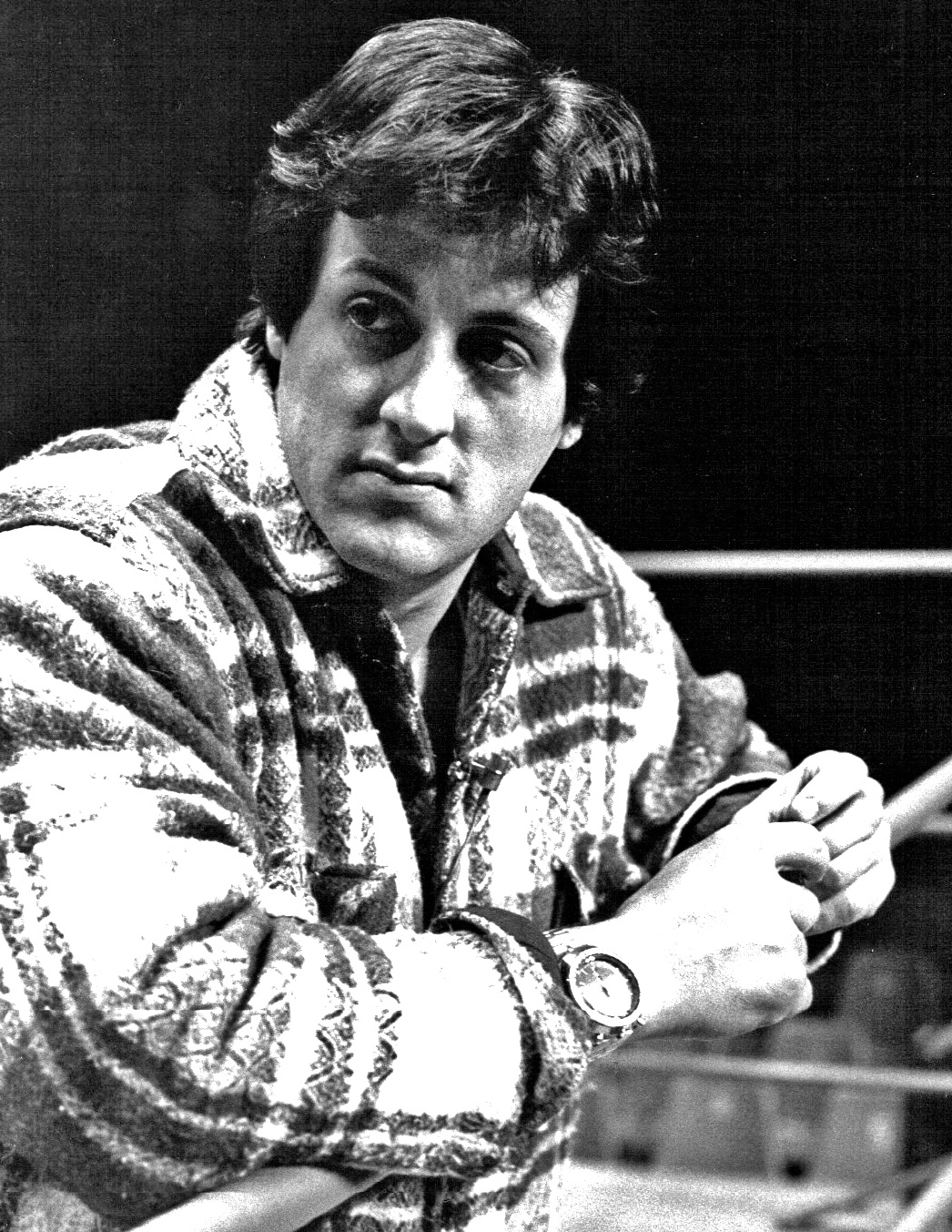
2 Images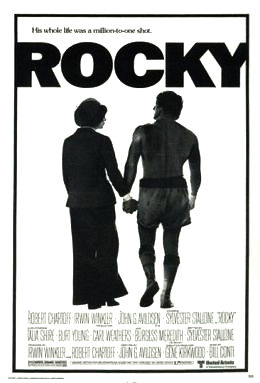
Plot summary
Rocky is a modest, sometimes lonely man who ekes out a living as a debt collector and small-time boxer. When a title contender is injured, Rocky is offered a chance to face the champion as an underdog representative of his neighborhood. The film traces his training, friendships and relationship with Adrian, and culminates in a climactic fight that tests his limits. The narrative emphasizes personal dignity and resilience over pure sporting triumph.
Production and release
The film was made on a modest budget often described as under one million dollars and was shot quickly, over roughly 28 days. Stallone insisted on playing the lead role he had written, turning the screenplay into a personal vehicle. Location shooting gave the movie an authentic urban texture, and many of the city’s streets and landmarks are visible throughout the picture. The modest production values and character focus helped the film stand out in its release year.
Reception and awards
Critics and audiences responded positively to the film's emotional directness. It won three Academy Awards, including Best Picture and Best Director, and received several other nominations. Over time it has been recognized on curated lists, including placement on the American Film Institute's lists that celebrate influential American movies and moments AFI recognition.
Themes and notable elements
Key themes include perseverance, the dignity of ordinary life and the idea of an unexpected opportunity changing a person's circumstances. Memorable elements include the training montages, the role of the city as a backdrop and Rocky’s relationship with Adrian. The film’s use of boxing serves as a dramatic arena for these human themes rather than as a technical sports manual.
Legacy, sequels and cultural impact
The original film launched a long-running franchise that was followed by five direct sequels, and later inspired companion projects and reimaginings. The character Rocky Balboa and elements such as the training run up a city stairway entered popular culture as shorthand for the underdog story. The success of the film established Stallone as a leading actor and demonstrated how a small, character-driven picture could achieve wide commercial and critical success.
Quick facts
- The picture was produced for a modest sum and completed on a tight schedule.
- Filming on location helped make Philadelphia a recognisable presence in the film.
- The movie is often cited as a defining example of the underdog sports drama genre.
- For more information on the film’s production, cast and influence consult biographies of the principal creators and film reference collections Pennsylvania film histories and studios pages.
For additional context and records of awards and rankings, see archival summaries of the film’s reception and listings of major industry recognitions genre summaries, career retrospectives on Sylvester Stallone and compiled award histories Academy Awards or curated film lists AFI. Background on the sport and its role in cinema can be found in general overviews of boxing in film, while guides to the franchise and later installments are available in franchise summaries and databases sequels and spin-offs.
Related articles
Author
AlegsaOnline.com Rocky (1976) — American sports drama and cultural milestone Leandro Alegsa
URL: https://en.alegsaonline.com/art/83613
Sources
- the-numbers.com : "Movie Rocky – Box Office Data, News, Cast Information"
- nytimes.com : "'Rocky'"
- ew.com : "The Right Hook"
- bravotv.com : "Inside the Actors Studio with Sylvester Stallone"
- rockythemovie.com : "Cast and Crew bios for Rocky"
- startrek.com : "Star Trek Database - Dorn, Michael"
- oscars.org : "The 49th Academy Awards (1977) Nominees and Winners"
- wga.org : "The 101 Best Screenplays by [[Writers Guild of America, West]]"