
Rogue One (film): Overview, Production, Cast, and Legacy
Rogue One is a 2016 standalone Star Wars film about a rebel team that steals the Death Star plans. This article covers its story, production, key cast, themes, and impact on the franchise.
Rogue One: A Star Wars Story is a 2016 science fiction film produced by Lucasfilm. It is the first entry in the Star Wars anthology series and functions as a direct prequel to the 1977 original. The narrative follows Jyn Erso and a disparate rebel squad assembling to obtain technical schematics for the Empire's planet-destroying weapon, the Death Star. The picture is directed by Gareth Edwards and draws on a story by John Knoll and Gary Whitta, with screenplay work completed by a team that included Chris Weitz and Tony Gilroy.
Image gallery
10 Images



Premise and plot context
Set shortly before the events of the original Star Wars film, the story centers on Jyn Erso, the daughter of the reluctant engineer behind the Empire's superweapon. As the Rebel Alliance seeks any advantage, Jyn becomes the focal point of a risky operation to secure the battle plans that will later prove crucial in the larger saga. The plot links closely to the established Star Wars timeline while focusing on a single mission with a grittier, war-film sensibility.
Cast and characters
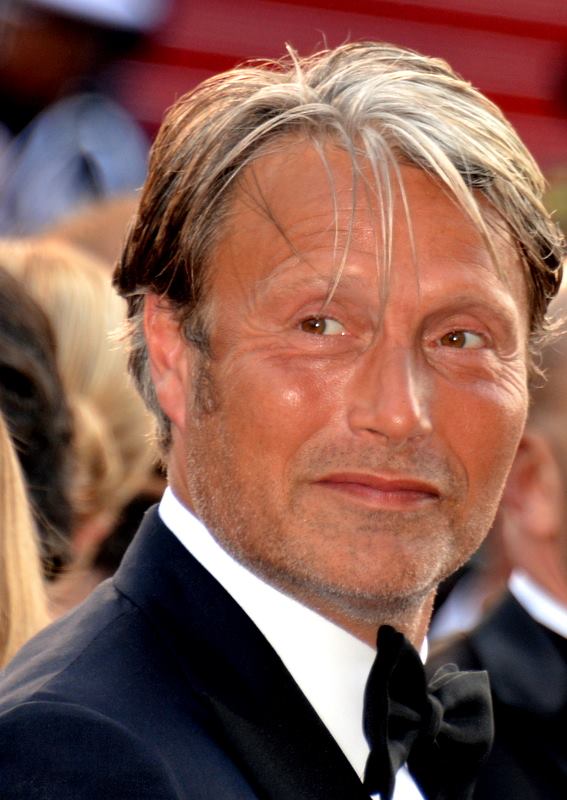
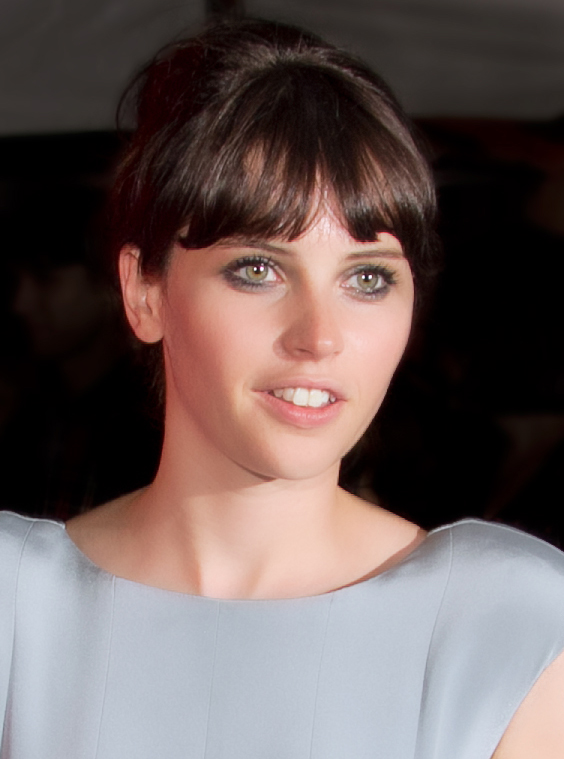
The ensemble cast combines series newcomers with established performers. Leading roles include Felicity Jones as Jyn Erso and Diego Luna as Cassian Andor. Other principal cast members are Ben Mendelsohn as an Imperial officer, Donnie Yen in a supporting martial role, Mads Mikkelsen as a key adversary, Alan Tudyk voicing the reprogrammed droid K-2SO, Jiang Wen among the rebellion's operatives, and Forest Whitaker portraying a resistance leader. Additional credited performances include Riz Ahmed as a pilot who defects to the rebels, and a range of supporting actors who shape the film's multinational cast.
Production and style
Rogue One was developed as a standalone war story within the Star Wars universe. Its production emphasized practical sets and effects blended with digital imagery to achieve an authentic but cinematic battlefield feel. The film is noted for a darker tone and themes of sacrifice and moral ambiguity, distinct from the saga's space-opera spectacles. Visual effects were also notable for recreating familiar elements in the original trilogy's era while introducing new locations and military hardware.
Themes, reception, and legacy
Critics and audiences highlighted the film's wartime atmosphere and the moral complexity of its protagonists. While reactions varied on tone and certain visual choices, Rogue One is widely recognized for expanding the franchise's narrative possibilities by telling a contained story that complements the original movies. It established a model for future anthology entries that can explore different genres within the same universe and influenced subsequent projects focused on individual characters and missions within the broader Star Wars setting.
Notable facts and distinctions
- Rogue One is the first of the anthology films that sit outside the main episodic numbering.
- It concludes with events that directly lead into the opening of the original 1977 film, clarifying how the stolen plans reached the Rebel Alliance.
- The film mixes established franchise iconography—most prominently the Death Star—with new characters and locales to broaden the universe's scope.
For readers seeking more detail on particular aspects of the production, cast biographies, or scene-by-scene breakdowns, consult in-depth sources and official materials from the film's studio and licensed publications. The movie remains a frequently cited example of how established franchises can successfully branch into different tones and storytelling approaches while maintaining continuity with a long-running saga.
Questions and answers
Q: What is Rogue One: A Star Wars Story?
A: Rogue One: A Star Wars Story is an American science fiction movie that was released worldwide in December 2016.
Q: Who directed Rogue One?
A: Rogue One was directed by Gareth Edwards.
Q: Who wrote the script for Rogue One?
A: Chris Weitz and Tony Gilroy wrote the script for Rogue One, with the story by John Knoll and Gary Whitta.
Q: Who stars in Rogue One?
A: Felicity Jones, Diego Luna, Ben Mendelsohn, Donnie Yen, Mads Mikkelsen, Alan Tudyk, Jiang Wen and Forest Whitaker all star in Rogue One.
Q: What is the plot of Rogue One?
A: The story follows Jyn Erso, the daughter of the unwilling designer of the Galactic Empire's super-weapon the Death Star. Her mission is to retrieve the plans so it can be destroyed.
Q: Is Rogue One part of the official Star Wars saga?
A: No, Rogue One is the first movie in the Star Wars anthology series, which includes spin-off films set in the Star Wars universe.
Q: Who plays Jyn Erso in Rogue One?
A: Felicity Jones plays Jyn Erso in Rogue One.
Related articles
Author
AlegsaOnline.com Rogue One (film): Overview, Production, Cast, and Legacy Leandro Alegsa
URL: https://en.alegsaonline.com/art/83743
Sources
- boxofficemojo.com : "Rogue One (2016)"
- theguardian.com : "Rogue One: could Disney want to cap the success of Star Wars spin-off?"
- theguardian.com : "Disney confirms Star Wars anthology movie for 2020"
- empireonline.com : "Rogue One: A Star Wars Story"
- mtv.com : "Rogue One: A Star Wars Story You've Seen Before"
- ign.com : "Rogue One: A Star Wars Story Review"
- mattsmoviereviews.net : "Rogue One: A Star Wars Story | Film Review | Matt's Movie Reviews"
- markreviewsmovies.com : "Mark Reviews Movies: ROGUE ONE"