
Robert Stack (1919–2003) — American actor and television host
Charles Langford Modini 'Robert' Stack was a film and television actor best known as Eliot Ness in The Untouchables and as long-time host of Unsolved Mysteries.

Overview
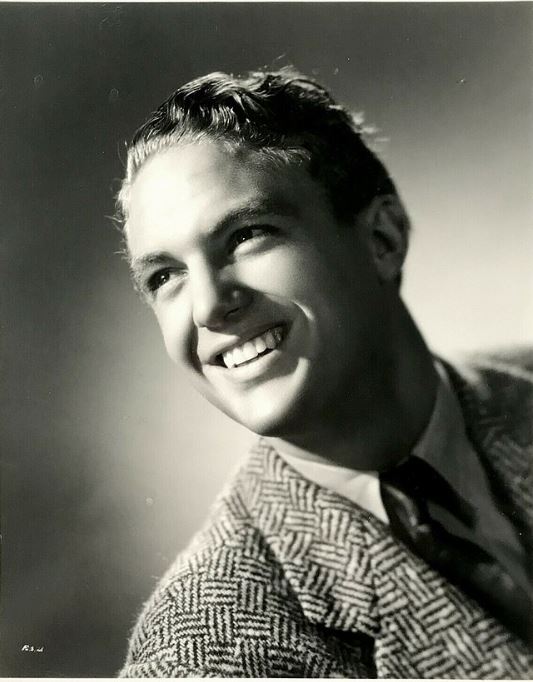
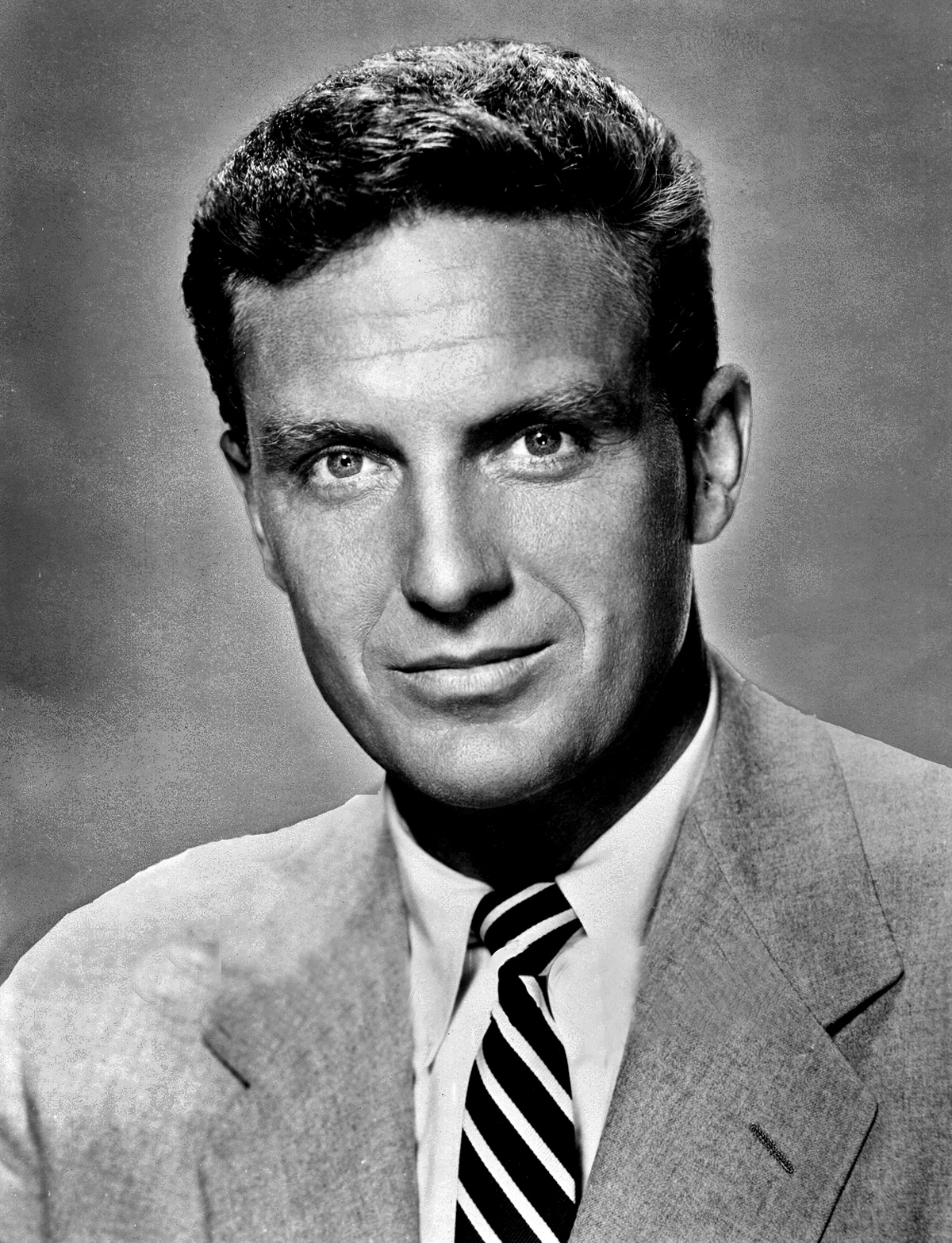
Charles Langford Modini "Robert" Stack (January 13, 1919 – May 14, 2003) was an American television and movie performer whose career spanned more than five decades. With a deep voice and austere screen presence, he became closely identified with tough, principled characters and later reached new audiences as a television host.
Image gallery
7 Images


Career and notable roles
Stack rose to prominence on mid-20th century American television. He is best remembered for portraying lawman Eliot Ness in the crime drama The Untouchables, a role that established him as a leading actor of hard-edged authority figures. Besides that signature part he appeared in a range of films and series, and he occasionally returned to dramatic television in anthology and guest spots. In later years he reinvented himself as a presenter, bringing a serious, no-nonsense tone to documentary-style programs and true-crime television.
- Breakout television role: Eliot Ness in The Untouchables
- Hosting: best known for hosting Unsolved Mysteries (1987–2002)
- Other television and film work included recurring appearances and feature roles across genres
Style and public image
Stack’s physicality, clipped delivery, and austere looks made him a natural for crime dramas and serious parts. Audiences and producers alike associated him with stoicism and moral clarity—qualities that made his transition to host of investigative television seem natural. As a presenter he combined empathy for victims with a straightforward, factual tone that helped popularize serialized, mystery-focused programming.
Personal life and legacy
Stack was born in Los Angeles and remained connected to the film and television communities throughout his life. He was married to actress Rosemarie Bowe from 1956 until his death. Stack died in Beverly Hills on May 14, 2003; reports cited heart failure as the cause. His extended family includes comedy performer Taran Killam, identified as a great-nephew.
Why he matters
Robert Stack occupies a distinctive place in American popular culture as both a classic television leading man and as one of the most recognizable hosts in true‑crime broadcasting. His work helped shape the archetype of the firm, morally centered lawman on television and contributed to the mainstreaming of documentary-style mystery shows that blend reenactment, archival material, and viewer participation.
Selected credits and further reading are available in many film and television reference sources; for general inquiries about television history and Stack’s roles consult major entertainment archives and biographies.
Related articles
Author
AlegsaOnline.com Robert Stack (1919–2003) — American actor and television host Leandro Alegsa
URL: https://en.alegsaonline.com/art/83389
Sources
- unsolved.com : "Unsolved Mysteries - Home Page"