
Robert Moses: Mid‑20th Century Urban Planner and Controversial Builder
Robert Moses (1888–1981) was a dominant, unelected figure in New York area planning whose parks, bridges and highways reshaped the region and provoked lasting debate over urban renewal and public power.

Overview
Robert Moses was an influential American public official and planner whose career spanned much of the twentieth century. Working largely in the New York metropolitan area, he directed the creation of highways, bridges, parks and public facilities that transformed cities, suburbs and shorelines. Moses was often called the "master builder" for his outsized role in shaping transportation and recreational infrastructure across New York, including large parts of Long Island and the boroughs of the city.
Image gallery
8 Images




Major roles and projects
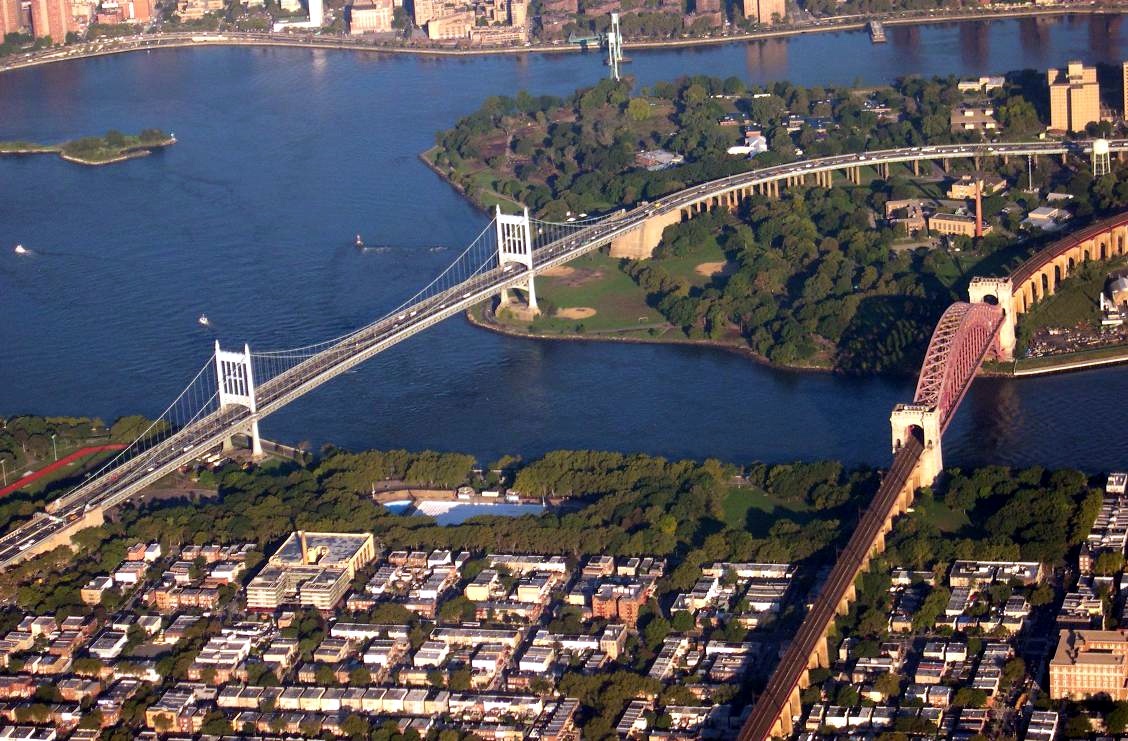
Moses rarely held elective office but accumulated authority through appointed positions and public authorities. He oversaw bodies that planned and financed construction, allowing him to undertake sustained building campaigns over decades. Signature projects associated with him include major bridges, extensive parkway systems, and state parks and beaches that remain in use today.
- Large bridges and crossings connecting boroughs and suburbs
- Parkways and highway corridors intended to move growing automobile traffic
- State and city parks, recreational areas, and shoreline developments
- Public facilities such as plazas and civic centers
Methods, power and style
Moses exercised influence by holding multiple appointed posts, chairing authorities with independent revenue streams, and using bonds and tolls to finance work. His approach favored centralized planning, large-scale capital projects and modern engineering solutions over neighborhood-based, incremental development. That top-down model allowed rapid construction but also reduced the role of local democratic control in planning decisions.
Criticism and legacy
While Moses left an extensive built legacy, his career generated controversy. Critics argued that many projects prioritized automobile traffic over public transit, displaced communities, and altered established neighborhoods. Some observers contended that design choices—such as low overpasses on certain parkways—had the effect of restricting bus access and limiting use by poorer and minority populations, a claim that has been debated by historians. Notable opponents of his style of planning included community activists and urban thinkers who advocated denser, pedestrian‑oriented neighborhoods.
Background and later life
Born in New Haven, Connecticut, Moses was educated at a sequence of prominent institutions, studying at Yale University, at Oxford, and later at Columbia University. He served in state government posts and ran for higher office; for a time he was the Secretary of State of New York and in the mid-1930s was the Republican nominee for governor. He continued to influence planning policy for many years and remained a polarizing public figure until his death in West Islip, New York from heart disease at an advanced age.
Why he remains important
Moses's work shaped transportation patterns, recreation, and urban form across a wide region; many of his parks, roadways and bridges remain essential parts of the region's infrastructure. His career is frequently studied in courses on urban planning, public administration and history as an example of how technical expertise, financial tools and concentrated authority can produce sweeping change—both constructive and contested—in cities.
Further reading and resources
For more context on Moses's projects, controversies and impact, see sources linked to regional histories and archival collections: regional planning archives, biographical studies, Long Island histories, and contemporary critiques available through civic organizations and university collections (urban studies, political histories, election records, local biographies, academic profiles, legal and planning documents, medical and death records).
Related articles
Author
AlegsaOnline.com Robert Moses: Mid‑20th Century Urban Planner and Controversial Builder Leandro Alegsa
URL: https://en.alegsaonline.com/art/83369
Sources
- nytimes.com : "Robert Moses, Master Builder, is Dead at 92"