
Qatif: historic coastal governorate in Saudi Arabia's Eastern Province
Qatif is a coastal governorate in Saudi Arabia's Eastern Province with a long history, coastal and agricultural heritage, and a modern economy linked to oil, industry and public services.
Overview — Qatif (also written Al‑Qatif) is a governorate and urban area in the Eastern Province of Saudi Arabia. The municipality sits along the coast of the Persian Gulf and forms part of the Dammam metropolitan area. Administratively it is recognised as a distinct governorate with a mix of older towns and more recent urban growth; see a local administrative map at governorate map and context within the Eastern Province.
Image gallery
10 Images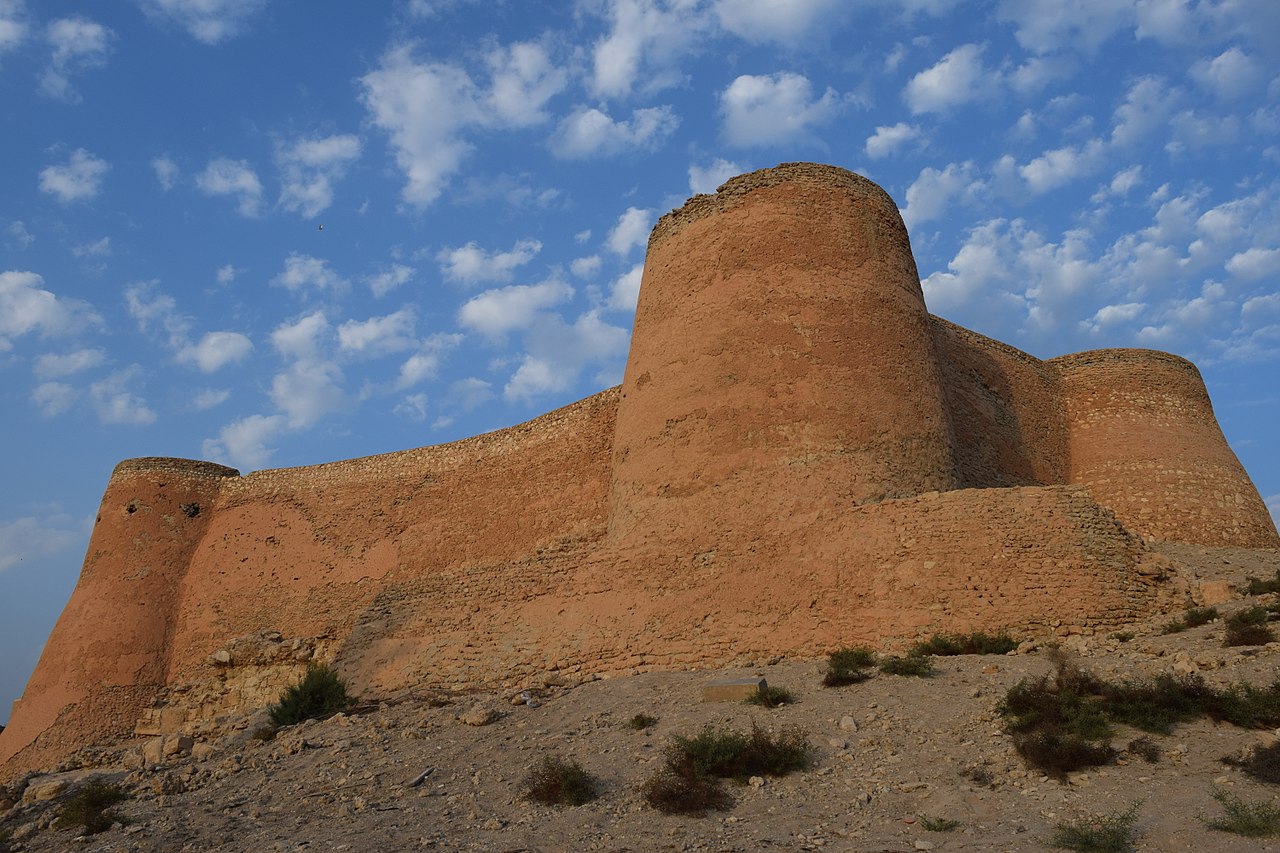



Geography and urban layout
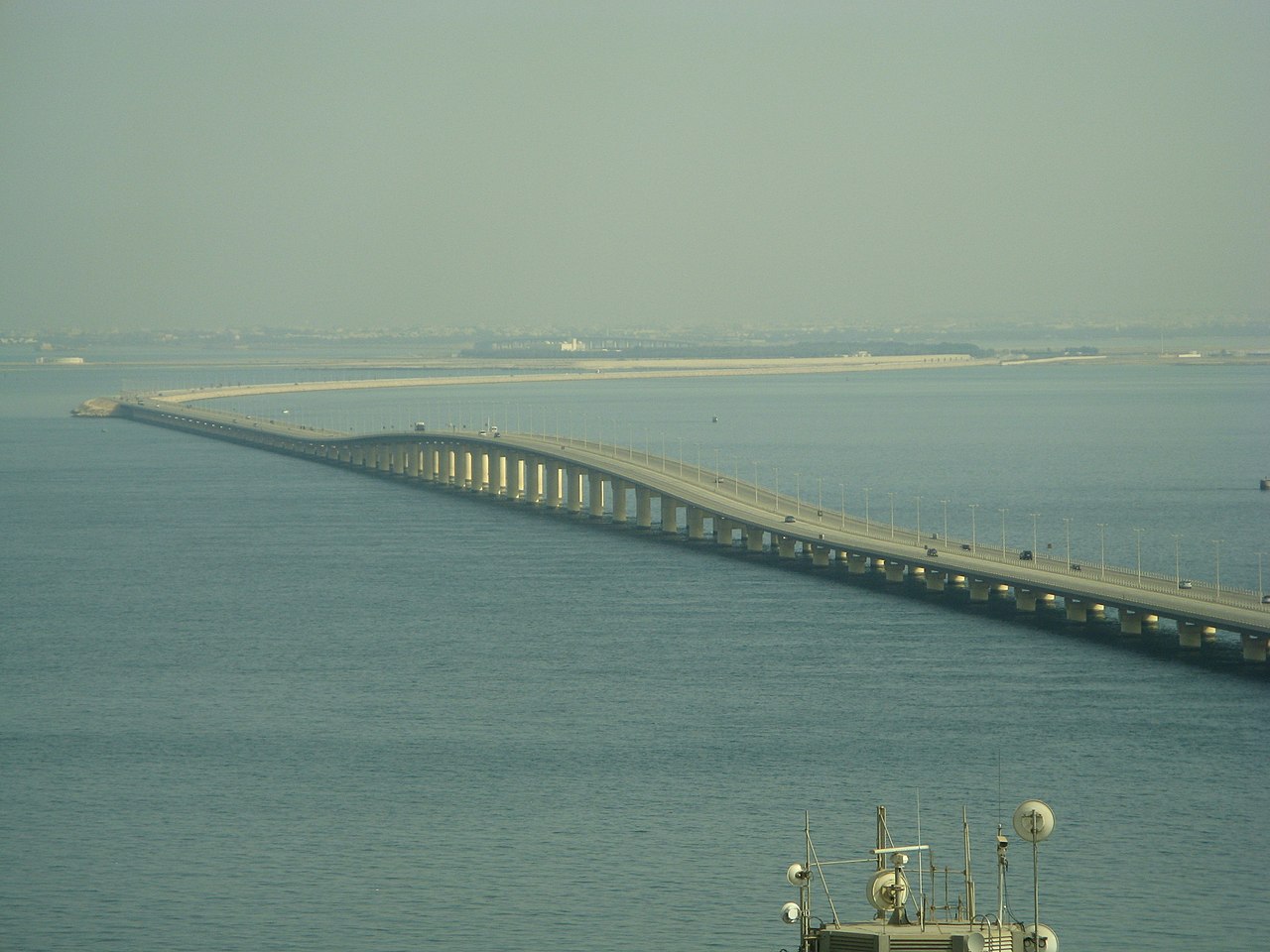
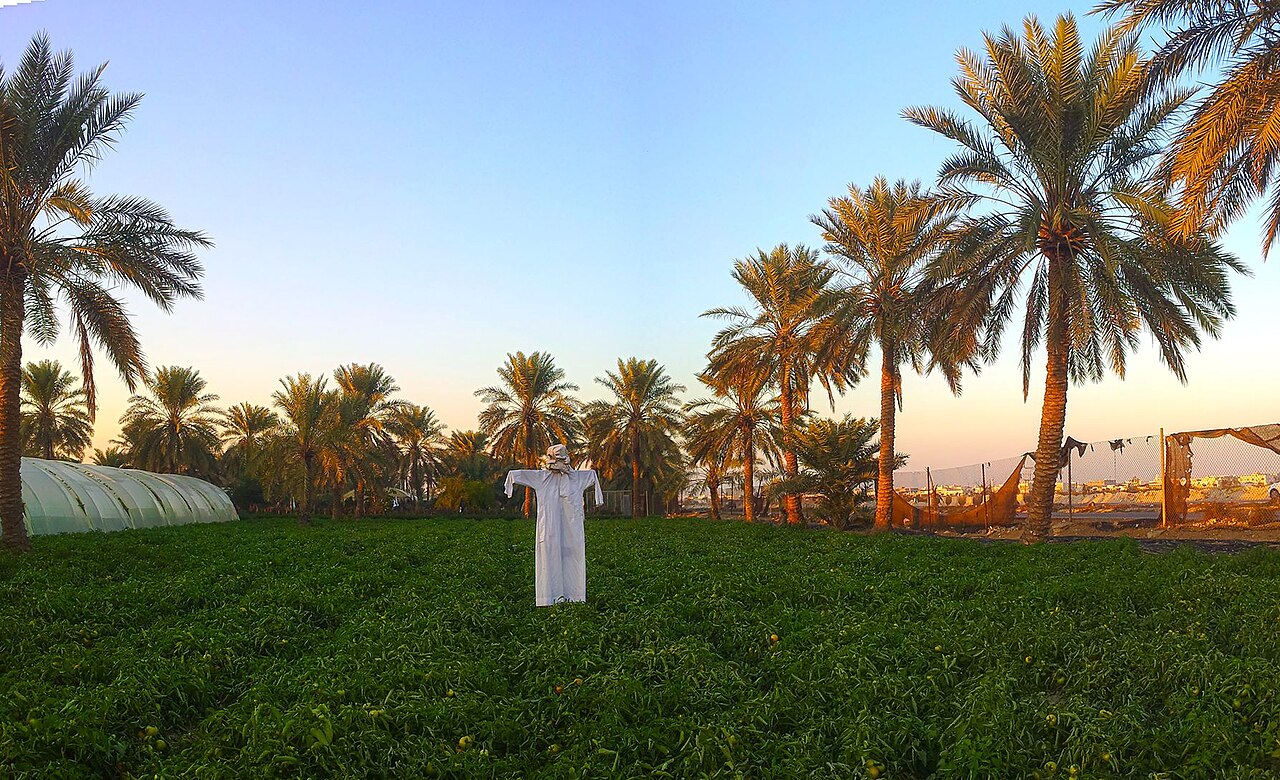
Qatif extends along the Gulf shoreline between Ras Tanura and Jubail to the north and the greater Dammam area to the south. Its eastern boundary faces the Persian Gulf, while the western approaches reach toward transport links including King Fahd International Airport. The central urban zone contains older market areas and coastal suburbs; surrounding land includes date plantations, reclaimed agricultural plots and industrial zones that serve the oil and petrochemical sectors. The city of Dammam is the nearest large urban centre and forms part of the same metropolitan corridor.
History and archaeological background
Qatif is one of the oldest continuously inhabited places on the eastern Arabian Peninsula. Archaeological evidence and traditional accounts point to settlement and trading activity in the region from several millennia ago—settlements and trade links developed long before the modern Saudi state. Over centuries Qatif served as a centre for maritime trade, fishing and local agriculture, connecting inland routes with Gulf commerce.
Economy and contemporary life
Historically the local economy depended on fishing, pearl diving, merchant trade and date farming. In the 20th and 21st centuries the discovery and development of oil in the Eastern Province transformed employment and infrastructure. Today many residents work in oil, petrochemicals, industry, public services, education and health care, alongside remaining small‑scale agriculture and fisheries.
Culture, identity and notable features
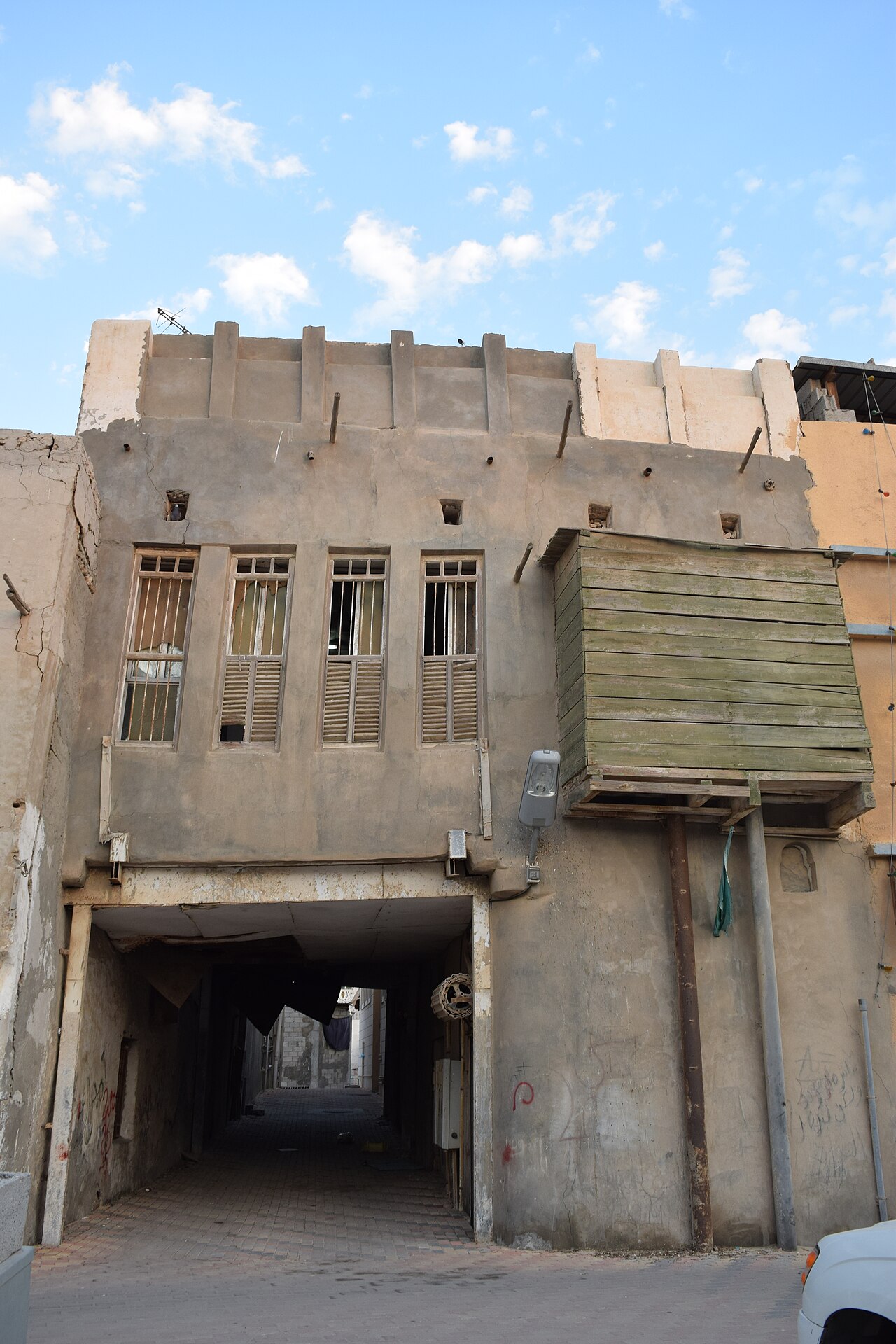
Qatif preserves a distinctive local culture shaped by its coastal geography, long history of trade, and traditional crafts. Local cuisine, social customs and marketplaces reflect both Arab Gulf and wider regional influences. Notable features include historic neighborhoods, coastal promenades and active community institutions that maintain cultural life and public services.
Quick facts
- Location: Eastern Province, on the Persian Gulf coast (regional overview).
- Nearby centres: Dammam, Ras Tanura, Jubail (Dammam, local map).
- Transport: accessible to major roads and King Fahd International Airport.
- Coastline: borders the Persian Gulf, with a long history of fishing and maritime trade.
Related articles
Author
AlegsaOnline.com Qatif: historic coastal governorate in Saudi Arabia's Eastern Province Leandro Alegsa
URL: https://en.alegsaonline.com/art/80305
Sources
- cdsi.gov.sa : cdsi.gov.sa