
Ajam (Arabic term for non‑Arabic speaker and its historical meanings)
Ajam is an Arabic word historically used for non‑Arabic speakers, often Persians. The term has linguistic, cultural and historical layers, with changing connotations across time and place.
Ajam (Arabic: عجم) is a term from classical Arabic that broadly denotes someone who is not a native speaker of Arabic. In its simplest sense the word distinguishes Arabic speakers from others and was frequently used in medieval Arabic sources to refer to a range of neighbouring peoples. For a basic lexical treatment see Ajam (definition).
Image gallery
3 Images
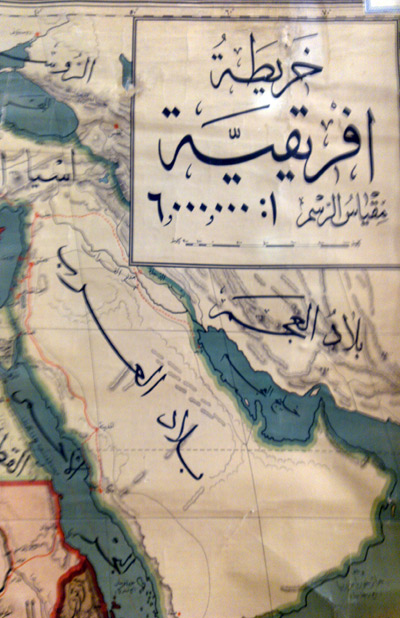

Etymology and early references
The origin of the word is debated in older sources and popular traditions. Some accounts link Ajam to the name Jam, a figure in Iranian tradition, or to the legendary king Jamshid, who appears in Persian epic literature; other strands associate the name with the label applied by Arabs to foreign tongues and speech. A related motif treats Jamshid as a cultural archetype invoked in stories where non‑Arab cultures are described. A separate reference treats Jamshid as a prophet figure in some narratives (see source), though such usages are part of folkloric and literary traditions rather than linguistic explanation.
Historical and linguistic meanings
Historically, Ajam covered a wide spectrum of peoples encountered by Arabs: Persians, Greeks, Ethiopians, and others who did not speak Arabic as their mother tongue. Over time the term became particularly associated with Persians and Persian culture; in many languages the adjectival form Ajami came to mean "Persian" or "of Persian origin" and was used to describe language, poetry, or script conventions. For a general treatment of this Persian association see Ajami / Persian usage.
Cultural uses, scripts and social context
Ajam and its derivatives have appeared in various cultural registers: in chronicles, poetry, administrative records and popular speech. The adjective "Ajami" also names scripts that adapt the Arabic alphabet to write non‑Arabic languages (for example, Arabic‑derived orthographies used for West African languages are often called Ajami scripts). The term’s connotation ranged from neutral descriptive usage to pejorative tones in some contexts, depending on period, place and speaker.
Modern usage and distinctions
In contemporary usage Ajam retains multiple senses. In Arab countries it may still simply mean a non‑Arab or a foreigner; in some contexts it specifically denotes Persian speakers or Iranians. Social and political changes have affected whether the term is seen as neutral, historic, or derogatory. Scholars emphasize reading the term in its historical and situational context rather than assuming a single fixed meaning.
Notable points
- The word originally marked linguistic difference: Arabic versus non‑Arabic speech.
- It became closely associated with Persians in medieval literature and later vernaculars.
- "Ajami" is also used for Arabic‑based orthographies applied to other languages.
- Meanings and connotations have varied by time, region and social context.
For further reading on historical usage and cultural contexts consult general overviews and specialist studies of medieval Arabic literature and Persian–Arab relations; see also more specific entries and resources linked above for primary lexical and cultural references (definition, Jam, Jamshid, legendary references, Persian connections).
Tags
Related articles
Author
AlegsaOnline.com Ajam (Arabic term for non‑Arabic speaker and its historical meanings) Leandro Alegsa
URL: https://en.alegsaonline.com/art/1743