
Robert Gould Shaw, commander of the 54th Massachusetts Regiment
Union officer who led the 54th Massachusetts, one of the first African American regiments; killed while leading an assault on Fort Wagner in 1863 and remembered for his leadership and legacy.
Robert Gould Shaw (born October 10, 1837 in Boston, Massachusetts; died July 18, 1863 on Morris Island, South Carolina) was a young Union officer who became the first commander of the famed 54th Massachusetts Infantry Regiment. A native of a prominent New England family, he volunteered to lead a regiment of African American soldiers during the American Civil War and held the rank of colonel when he was killed in action.
Image gallery
10 Images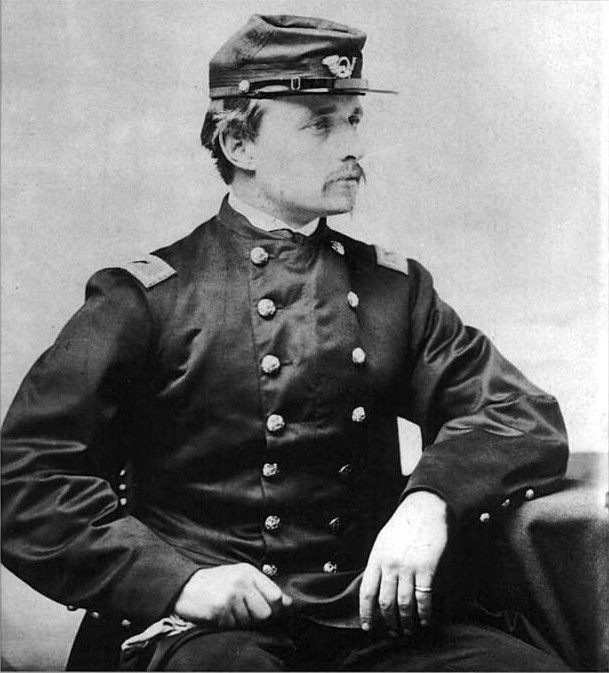


Early life and background
Shaw grew up in a family that supported abolition and public service. Educated in Boston-area schools, he came of age amid intense national debate over slavery and national union. His decision to accept command of an African American unit reflected both personal conviction and broader Union initiatives to recruit Black soldiers after 1862.
Leadership of the 54th Massachusetts
Organized in early 1863, the 54th Massachusetts was one of the first official African American regiments raised in the Northern states. Shaw trained and led volunteer officers and enlisted men from diverse backgrounds. Under his command the regiment proved disciplined and determined, winning praise for its drill, courage under fire, and refusal to accept discriminatory treatment.
Fort Wagner and death
On the evening of July 18, 1863, Shaw led the 54th in an assault on Fort Wagner, a Confederate stronghold guarding Charleston Harbor. The attack was fierce and costly. Shaw was killed in the assault at age 25. Contemporary accounts and later histories emphasize his front-line presence and the regiment's tenacity. Confederate burial practices after the battle resulted in Shaw's body being interred with many of the fallen soldiers he had led.
Legacy and remembrance
Shaw's leadership and the performance of the 54th helped change Northern perceptions of African American soldiers and contributed to wider acceptance of Black troops in combat roles. He has been memorialized in sculpture and public monuments; the most famous is the bronze relief memorial by Augustus Saint-Gaudens on Boston Common, which honors Shaw and the enlisted men of the 54th. The regiment's story continues to be studied as a significant episode in Civil War and African American history.
Notable facts
- Shaw's acceptance of a Black regiment was unusual for his social circle and reflected evolving Union policy.
- The 54th's assault on Fort Wagner became a symbol of Black military service and sacrifice.
- Shaw's death at Morris Island underscored the heavy human cost of assaults on fortified positions during the war.
- Monuments and cultural depictions have kept the memory of Shaw and the 54th alive in American memory.
For further reading and primary sources consult contemporary military records and preserved regimental histories, which document recruitment, training, and campaign service of the 54th and provide context for Shaw's command and its historical importance.
Related articles
Author
AlegsaOnline.com Robert Gould Shaw, commander of the 54th Massachusetts Regiment Leandro Alegsa
URL: https://en.alegsaonline.com/art/83320
Sources
- battleofolustee.org : "Fifty-fourth Massachusetts Infantry"