
Robert Guiscard: Norman duke and conqueror of southern Italy (c.1015–1085)
Norman leader Robert Guiscard unified much of southern Italy in the 11th century, won papal recognition, fought Byzantium, and established the Hauteville dynasty's power on the Italian mainland.
Overview
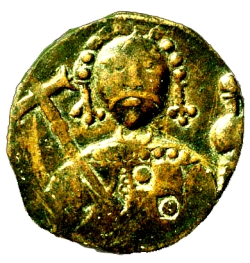
Robert Guiscard (born c. 1015) was a leading Norman adventurer and military leader who established Norman rule over large parts of southern Italy. He came from the Hauteville family and rose from a local count to become the dominant power in Apulia and Calabria. His career combined warfare, diplomacy and an alliance with the papacy that changed the political map of Italy in the 11th century. He is often called "Guiscard," a sobriquet meaning crafty or resourceful.
Image gallery
7 Images



Rise and conquests
Born in Hauteville-la-Guichard, Robert gathered Norman followers and fought Lombard and Byzantine authorities to expand his domain. In 1059 he secured papal recognition and feudal investiture that legitimized his rule. Over subsequent decades he and his relatives seized towns and fortified positions across southern Italy, culminating in the capture of the last Byzantine stronghold of Bari in 1071.
Campaigns and ambitions
Robert supported the conquest of Sicily by his younger brother and also launched campaigns across the Adriatic against the Byzantine Empire. In the 1080s he led an expedition into the Balkans and clashed with Emperor Alexios I Komnenos. During these years he operated as a powerful regional ruler, projecting Norman force beyond Italy into wider Mediterranean politics.
Government and legacy
As duke he combined feudal administration with military colonization, granting lands to followers and encouraging Norman settlement. The political order he helped create endured through the Hauteville family and shaped later medieval developments in Italy and the Mediterranean. His sons and nephews, especially Bohemond, continued to play prominent roles in the era of the Crusades.
- Key facts: born c. 1015, died on the Ionian island of Kefalonia in Greece in July 1085.
- Ethnic background: a Norman leader from the Hauteville house.
Notable traits and historical significance
Robert Guiscard is remembered for his military skill, political opportunism and ability to blend Norman customs with local Italian and Lombard institutions. His career illustrates how immigrant warrior elites could establish durable states in medieval Europe. Later chroniclers and historians have viewed him as one of the architects of Norman dominance in southern Italy.
Related articles
Author
AlegsaOnline.com Robert Guiscard: Norman duke and conqueror of southern Italy (c.1015–1085) Leandro Alegsa
URL: https://en.alegsaonline.com/art/83323
Sources
- leeds.ac.uk : Books One
- leeds.ac.uk : Two
- leeds.ac.uk : Three
- leeds.ac.uk : Four
- leeds.ac.uk : Five