
1863
A year of major political, military and social change: Civil War turning points (Gettysburg, Vicksburg), Emancipation Proclamation, founding of the ICRC, opening of London’s Metropolitan Railway, and the Polish January Uprising.
Overview
1863 was a year of concentrated political, military and social significance across multiple continents. It is most often remembered for pivotal moments in the American Civil War, but it also saw institutional and technological beginnings—such as modern humanitarian organization and urban underground rail—that influenced later developments in law, transport and national politics.
Image gallery
10 Images




United States: Civil War and emancipation
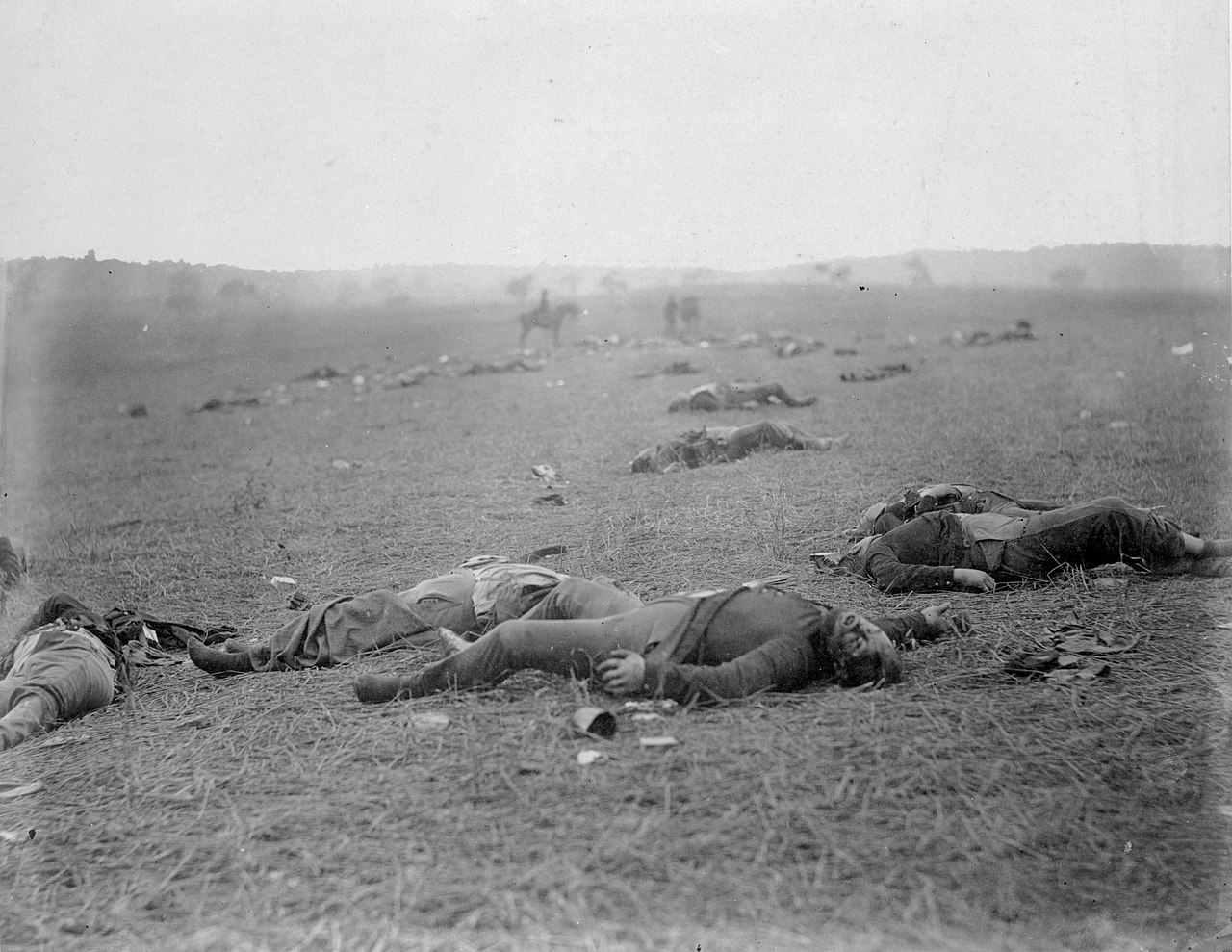
In the United States the conflict between Union and Confederate states dominated national life. Abraham Lincoln’s Emancipation Proclamation took effect on January 1, 1863, declaring that enslaved people in Confederate-held territories were to be regarded as free and reframing the war’s aims. Military events that year included the Battle of Gettysburg (July 1–3) and the fall of Vicksburg (July 4), widely regarded as turning points that shifted momentum toward the Union. The New York City Draft Riots in July exposed deep domestic tensions over conscription, class and race. West Virginia was admitted as a separate state on June 20.
International events and developments
Beyond North America, important institutional and national movements took shape. The International Committee of the Red Cross was established in Geneva in 1863, laying foundations for organized neutral assistance to wounded soldiers and later developments in humanitarian law. In London the Metropolitan Railway opened in January as the world’s first underground urban railway, inaugurating a new era in public transit and city planning. In Eastern Europe, the Polish January Uprising against Russian rule began early in the year, part of a broader pattern of national and social unrest within empires of the period.
Culture, technology and legacy
1863 produced enduring cultural and symbolic moments. At the dedication of the Gettysburg cemetery on November 19, President Lincoln delivered a brief address that later became celebrated for its concise statement of democratic ideals. Technological and institutional advances of the year—public mass transit beneath city streets and the creation of a neutral body to assist wartime casualties—had long-term effects on urban life, international norms and the conduct of war. The events of 1863 continue to be referenced as turning points in national histories and as markers of mid‑19th century change.
Notable events (selection)
- January 1 – Emancipation Proclamation takes effect in Confederate-held territories.
- January 10 – Metropolitan Railway opens in London, the first underground line.
- January 22 – Outbreak of the January Uprising in Poland against the Russian Empire.
- February – Founding of the International Committee of the Red Cross in Geneva.
- June 20 – West Virginia admitted to the United States.
- July 1–3 – Battle of Gettysburg; November 19 – dedication at Gettysburg with Lincoln’s address.
- July 4 – Surrender of Vicksburg to Union forces; July 13–16 – New York Draft Riots.
Related articles
Author
AlegsaOnline.com 1863 Leandro Alegsa
URL: https://en.alegsaonline.com/art/111827