
Roller coaster: design, history, and how they work
Comprehensive overview of roller coasters: structure, physics, common types, history, operation and safety. Explains components, energy principles, variations and why they thrill riders.
A roller coaster is a mechanically guided amusement ride made of a track and one or more connected cars that carry riders through a planned sequence of rises, drops and turns. Often found at large theme parks, coasters range from gentle family attractions to extreme thrill machines with high speeds and dramatic elements. Despite many styles and appearances, most share a common purpose: to convert potential energy into kinetic energy and deliver a controlled, exciting experience.
Image gallery
10 Images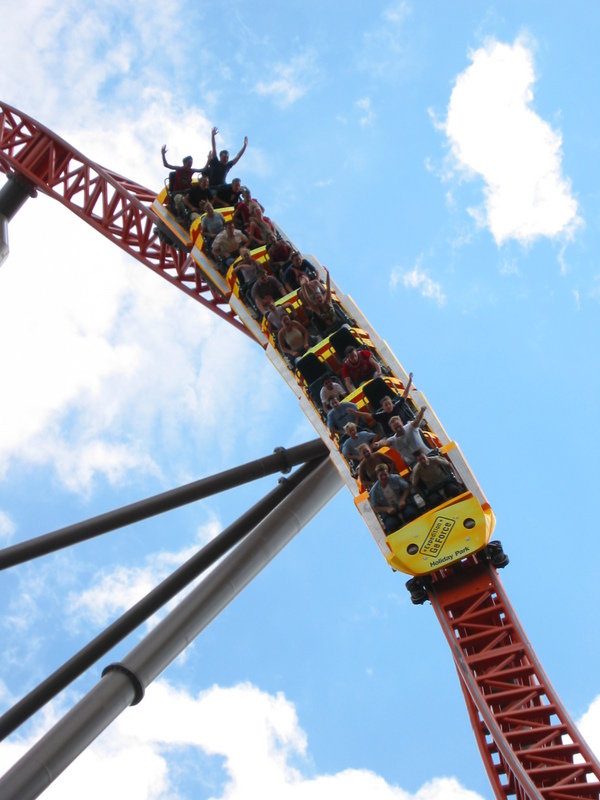




Design and main components
Physically, a roller coaster consists of a track, supports, a vehicle or train and systems that move and control that train. A typical train is a linked set of cars that hold riders and is often referred to simply as the train. Tracks are produced in materials such as wood or steel and are shaped with hills, valleys and banking to guide motion. Restraints (lap bars, over-the-shoulder harnesses or belts), wheels and undercarriage assemblies keep cars attached to the rails, while braking, launch and lift mechanisms regulate speed and position.
How they work: basic physics
The basic physics of a coaster relies on gravity and energy conversion. A train is typically lifted to a height by a lift hill or propelled by a launch system, creating stored (potential) energy. As the train descends from the top of a hill, that potential energy becomes kinetic energy and the train accelerates. The shape of the hills and the arrangement of elements determine speeds, forces and sensations; designers balance climbs and valleys to control momentum, provide moments of "airtime" and keep speeds within safe limits. Braking systems and block sections allow multiple trains to operate safely on the same layout.
Types and notable variations
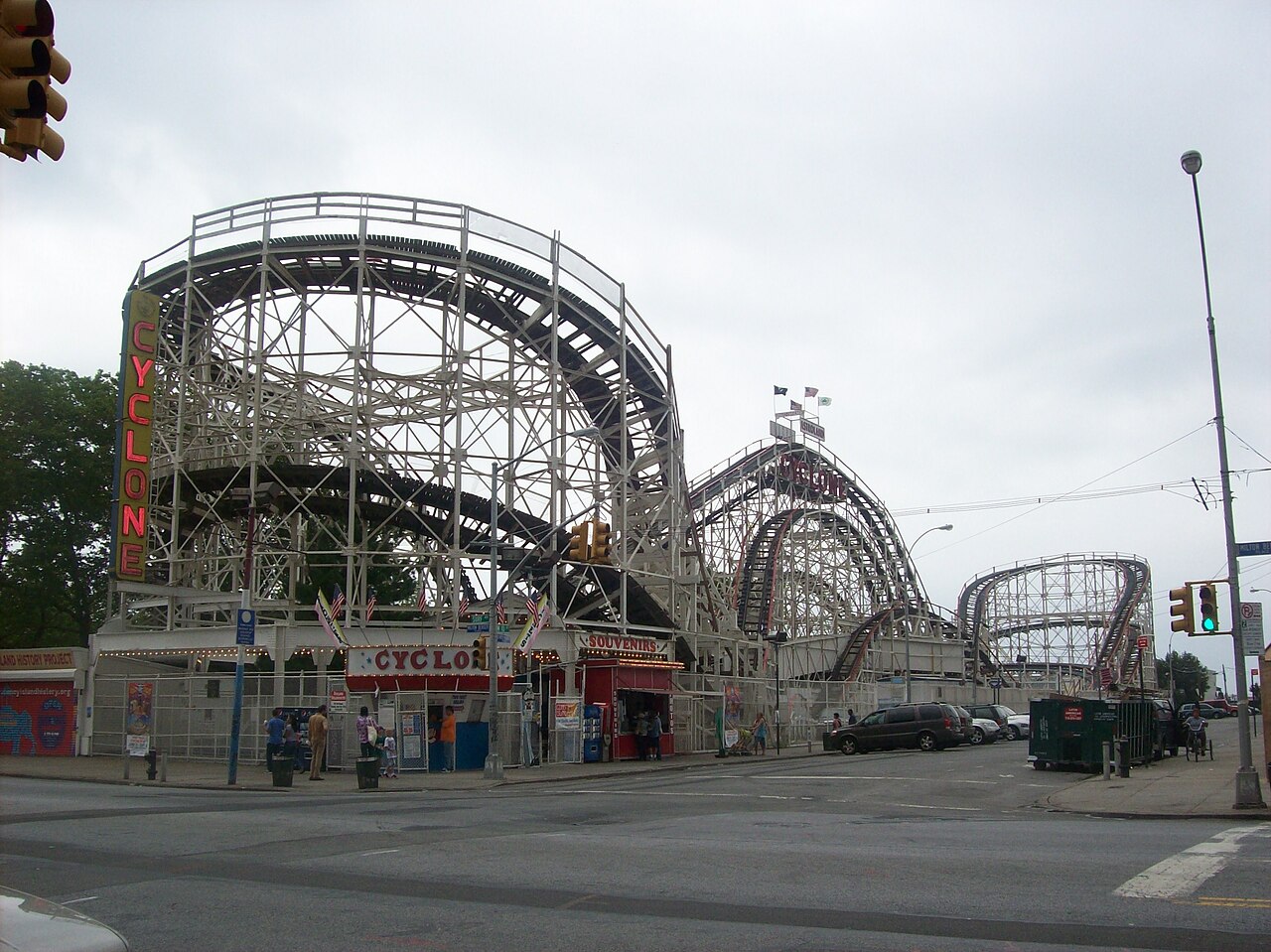
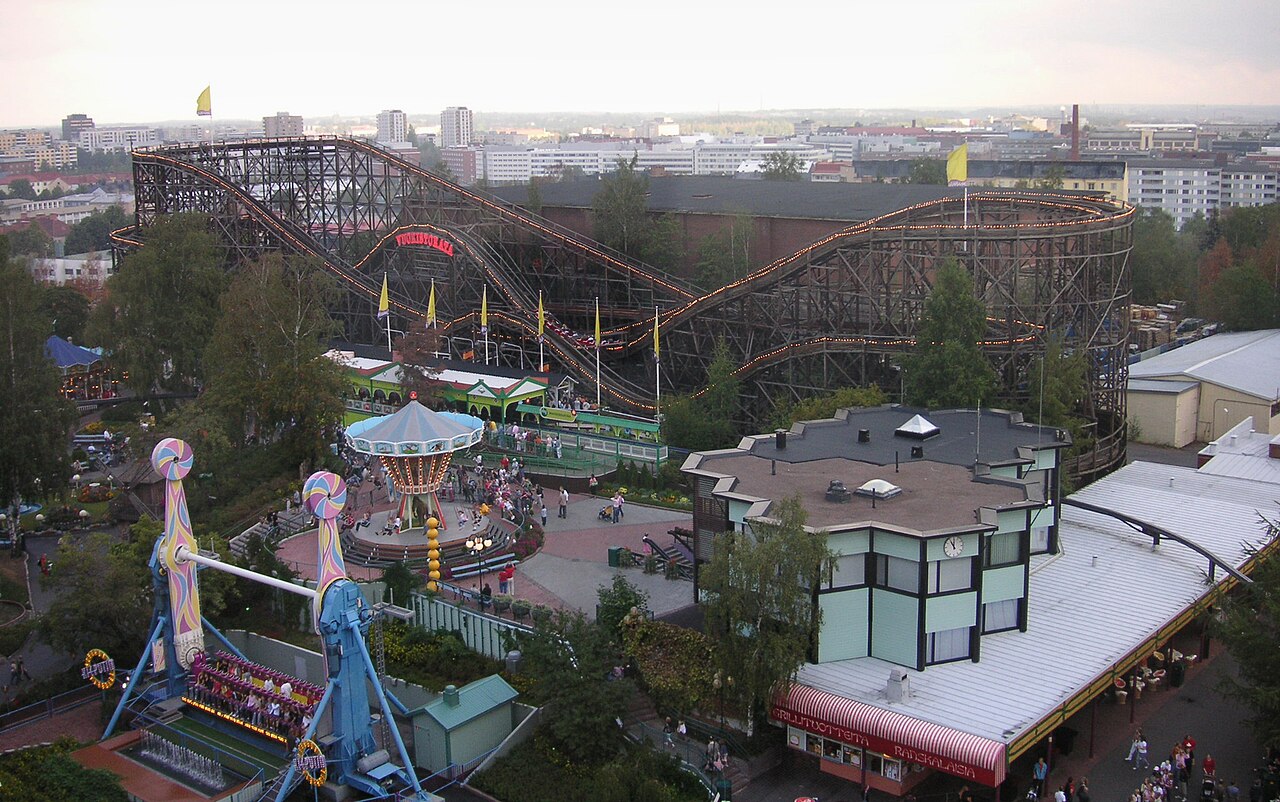
- Wooden coasters: traditional feel with more flex and a characteristic rattle.
- Steel coasters: allow for smoother rides, tighter turns and inversions.
- Inverted and suspended coasters: riders hang below the track for different sensations.
- Launched coasters: use linear motors, cables or other systems to accelerate without a lift hill.
- Specialty designs: floorless, single-rail, winged and family coasters tailored for different audiences.
History and cultural importance
Roller coasters evolved from earlier gravity rides and mechanical attractions developed over more than a century. They have been refined by advances in materials, engineering and computer-aided design, which enabled taller, faster and more complex layouts. Coasters are central features at many amusement parks and reflect both engineering innovation and public appetite for managed risk and excitement.
Operation and safety
Modern coasters are engineered with redundant safety systems, routine inspections and operational rules. Restraints, sensors, automatic brakes and dispatch systems work together to prevent collisions and keep forces within human tolerance. Training for operators, regular maintenance and adherence to standards are essential to safe operation. Enthusiasts and designers continue to push boundaries while regulators and parks emphasize reliability and rider protection. For more general background on parks and rides see related resources and further reading at park guides and technical summaries at manufacturers' pages.
Questions and answers
Q: What is a roller coaster?
A: A roller coaster is a kind of theme park ride which usually takes the form of a small train with carriages that travel on a track.
Q: What is the track made of?
A: A roller coaster can be made from either wood or steel.
Q: What are the features of a roller coaster?
A: The roller coaster has hills that go up and valleys that go down. There are also other features that can turn the train upside-down.
Q: How are riders held in place?
A: Riders are generally held in place with a bar, a belt, or something similar.
Q: How does a roller coaster work?
A: Scientifically, a roller coaster works because of gravity, which is a force that pulls things down to the ground. Most roller coaster trains are pulled to the top of a hill on a chain. The train will slide down the track, which has hills and valleys. As it slides downhill it goes faster, and it slows down when climbing.
Q: Are all roller coasters designed the same way?
A: No, some roller coasters are designed for children and do not travel very fast. Other roller coasters are very tall and travel very fast.
Q: What is another name for a roller coaster?
A: Some people refer to roller coasters as coasters.
Related articles
Author
AlegsaOnline.com Roller coaster: design, history, and how they work Leandro Alegsa
URL: https://en.alegsaonline.com/art/83808
Sources
- fujiq.jp : Fuji-Q Highland'
- nagashima-onsen.co.jp : Nagashima Spa Land