
RMS Lusitania
British Cunard ocean liner launched in 1907, torpedoed and sunk by a German U-boat in 1915; its loss and disputed cargo influenced public opinion during World War I.
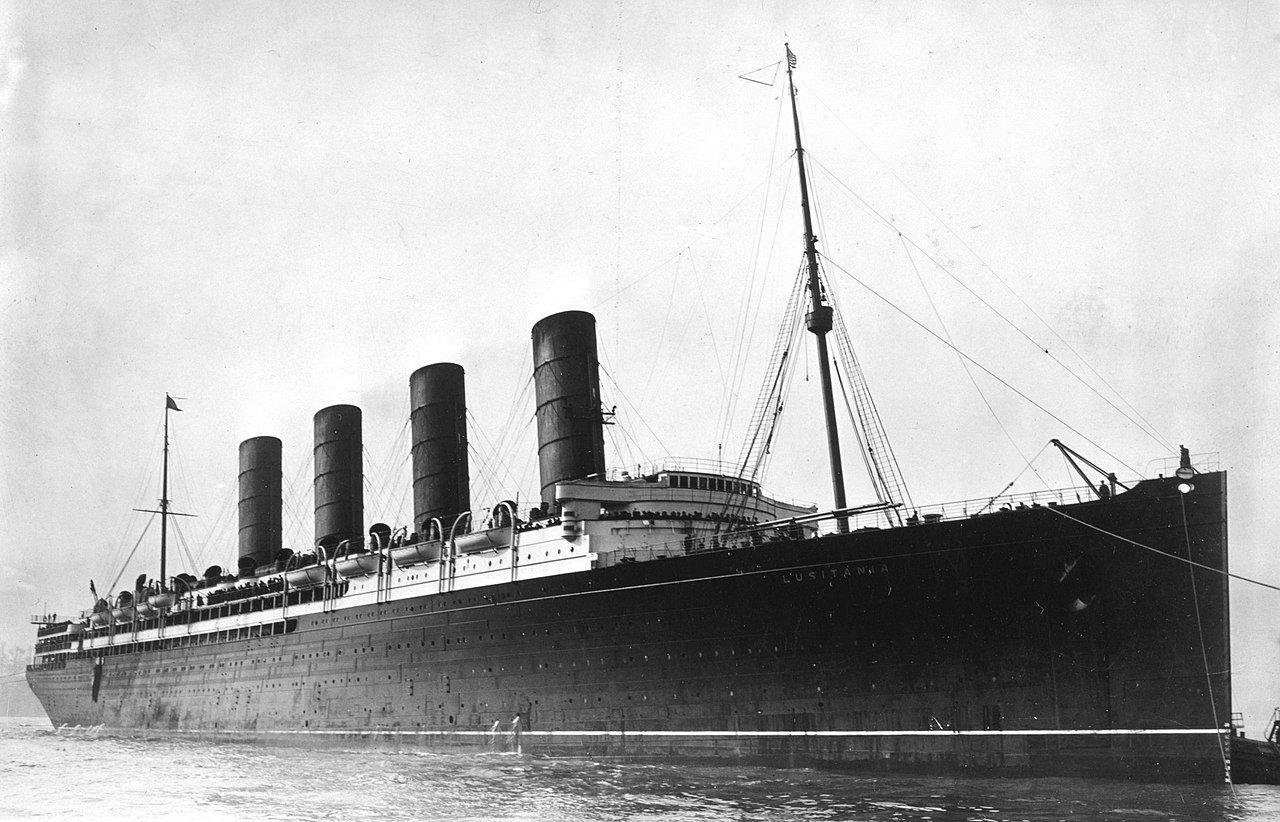
RMS Lusitania was a British transatlantic ocean liner operated by the Cunard Line. Launched in the first decade of the 20th century, she was designed for fast passenger service between Britain and North America and became one of the most famous steamships of her era for speed, luxury and modern engineering.
Image gallery
10 Images




Design and service
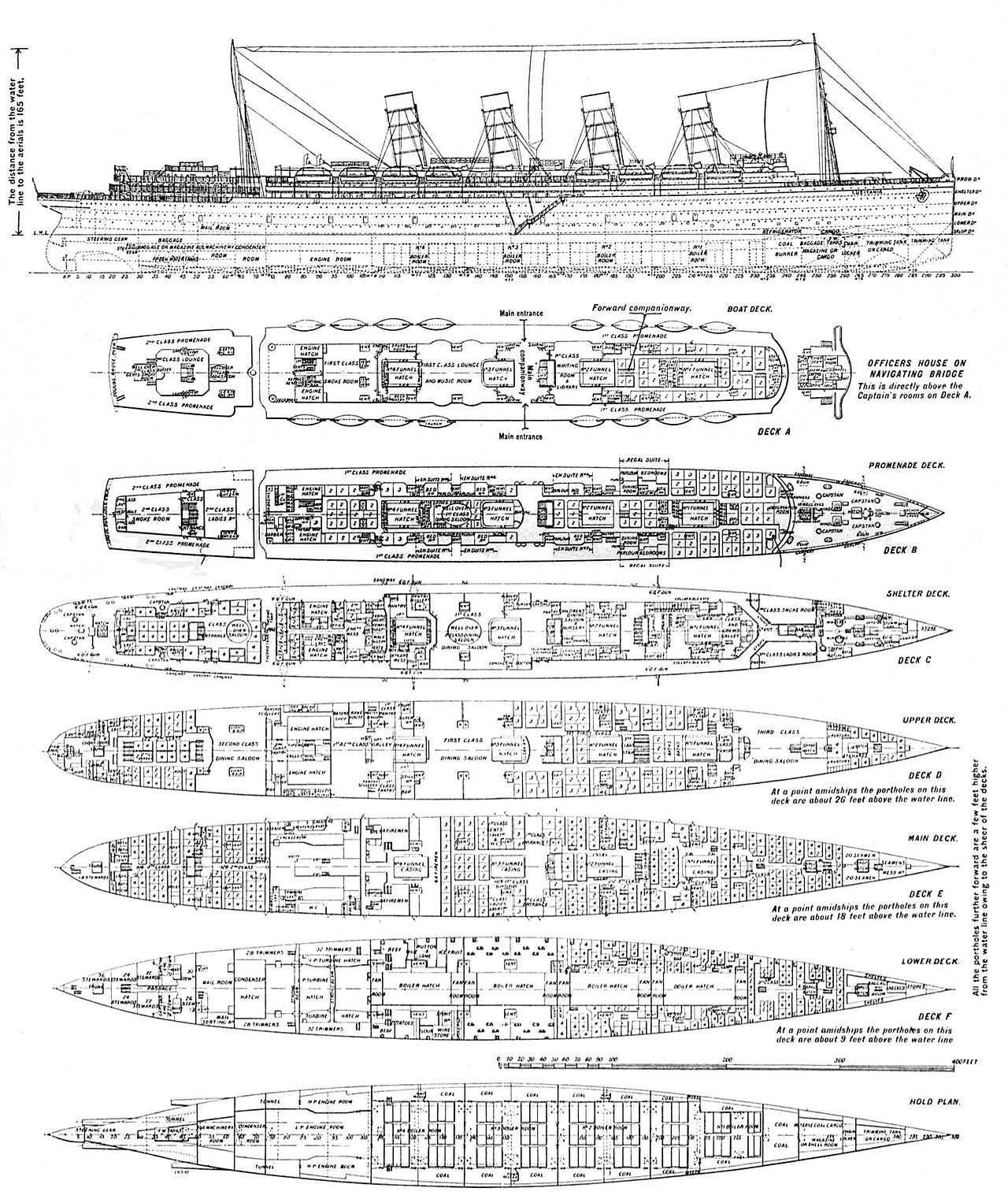
The Lusitania was built to compete on the lucrative Liverpool–New York route. As a large express liner she combined high speed with passenger comforts that were advanced for the period, carrying first-class amenities alongside steerage accommodation. During peacetime she helped connect business, migration and leisure travel across the Atlantic.
The 1915 sinking
On 7 May 1915, while en route from New York to Liverpool, Lusitania was struck by torpedoes fired by the German U-boat U-20 off the southern coast of Ireland. The attack caused catastrophic damage and the ship sank within minutes. Of the people aboard, roughly 1,198 lost their lives, including 128 citizens of the United States; many others were rescued. The sinking occurred during World War I and produced an immediate international outcry.
Controversy over cargo and rules of war
The question of whether Lusitania carried contraband military materiel that might have rendered her a legitimate target has been debated ever since. Some contemporaneous documents and later analyses suggest she carried small quantities of war-related materials; other evidence and British statements emphasized her status as a passenger vessel. The dispute over cargo, combined with the method of attack on a civilian ship, inflamed public opinion.
Political and historical impact
The loss drew diplomatic protest from neutral governments. President Woodrow Wilson and others demanded explanations and compensation from Germany. While the sinking did not immediately bring the United States into the war, it helped shift American public sentiment and was one of several events that weakened U.S. neutrality in the following years.
Legacy and wreck
RMS Lusitania remains a subject of historical study, maritime archaeology and public interest. Her wreck lies off the Irish coast and has been examined by divers and researchers; it is treated as both a site of historical importance and a maritime grave. Debates about responsibility, the nature of modern naval warfare, and the protection of civilian shipping continue to reference the Lusitania as a defining episode of early 20th-century naval conflict.
- Famous operator: Cunard Line
- Sunk by: German U-boat U-20
- Date of sinking: 7 May 1915
- International consequences: diplomatic protests and shifts in public opinion during World War I
For further primary documents and curated research, consult historical archives and specialist maritime studies that examine both the technical details of the vessel and the broader wartime context in which she sailed.
Wilson administration responses and contemporary diplomatic correspondence and German naval policy records are commonly cited in modern analyses of the episode.
Related articles
Author
AlegsaOnline.com RMS Lusitania Leandro Alegsa
URL: https://en.alegsaonline.com/art/83197
Sources
- awesomestories.com : "Lusitania"