
River Dee (Aberdeenshire, Scotland)
Overview of the River Dee in Aberdeenshire: its source in the Cairngorms, course through Royal Deeside to Aberdeen and the North Sea, plus ecology, uses and cultural significance.
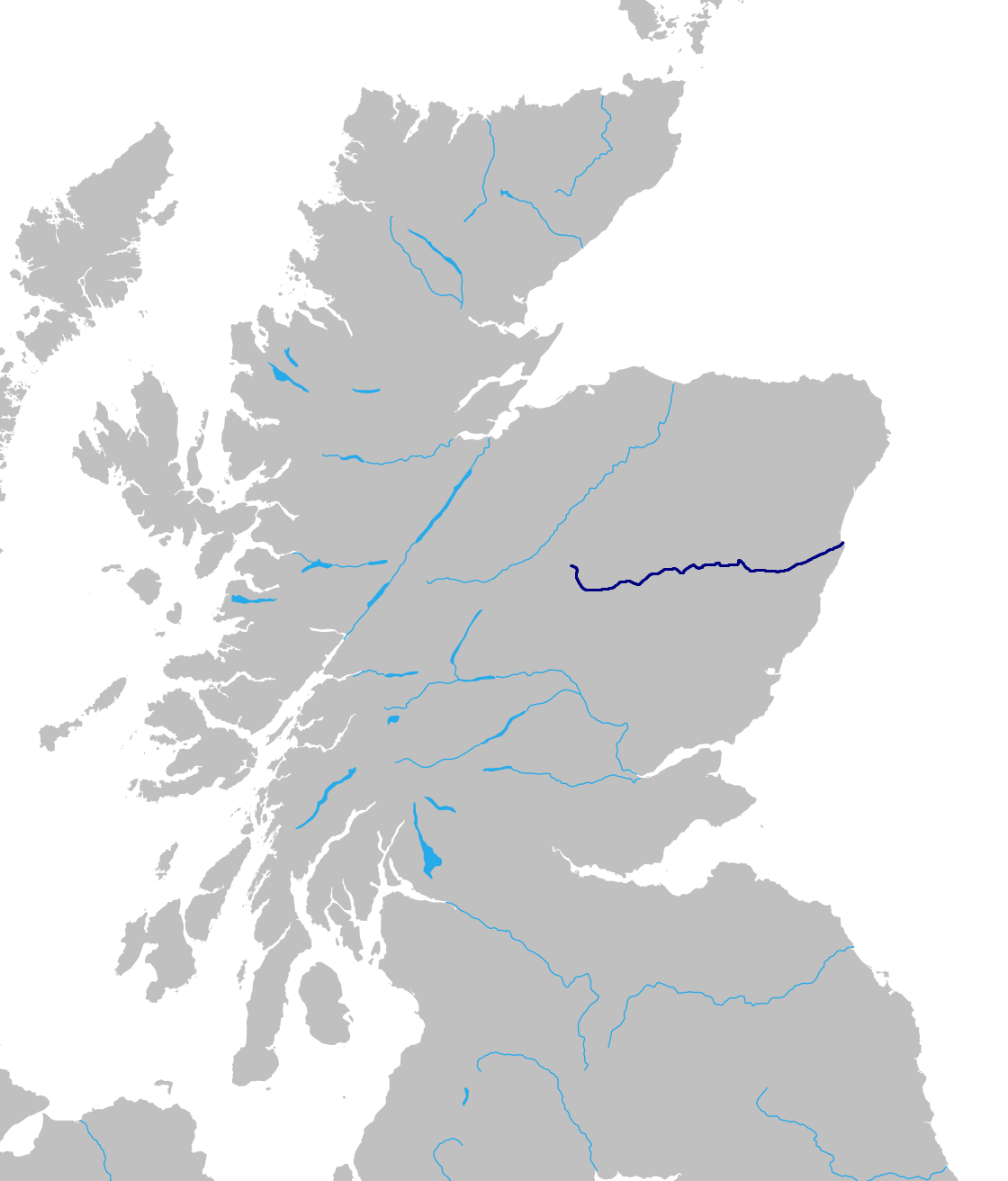
The River Dee (Scottish Gaelic: Uisge Dhè) is a notable river in Aberdeenshire, Scotland. It rises on the high plateau of the Cairngorms and flows eastwards through a valley known as Strathdee before reaching the North Sea at Aberdeen. The Dee’s route links upland landscapes, woodland and lowland estuary in a compact but diverse catchment.
Image gallery
10 Images




Course and main features
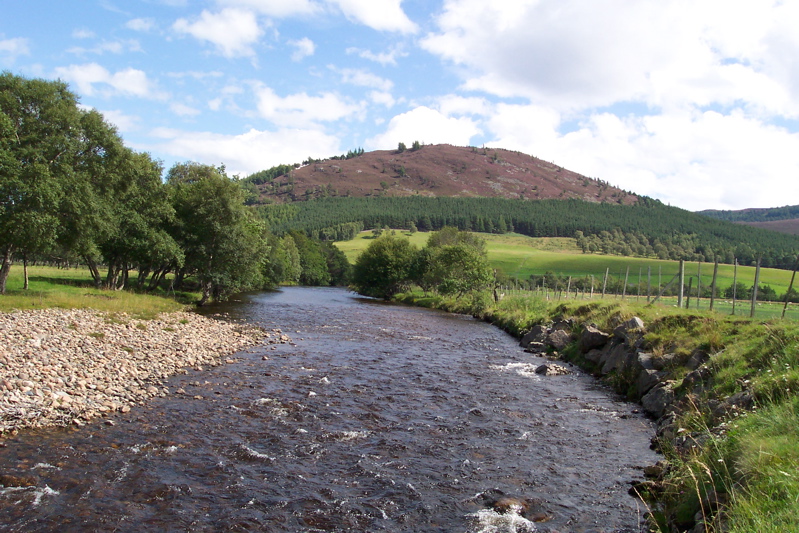
The river begins among the granite hills of the Cairngorm massif and collects water from many burns and small tributaries as it descends. Along its course it passes through towns and villages characteristic of Royal Deeside, with changes in valley shape reflecting glacial sculpting and river erosion. The lower Dee forms an estuary before entering the sea at the port city of Aberdeen.
History and cultural significance
The Dee has long been central to the identity of the area called Royal Deeside, renowned for its scenic value and connections with the British royal family, notably the Balmoral estate. The river corridor has attracted settlement, transport routes and recreation since prehistoric times, and it features in local literature and heritage.
Uses, wildlife and conservation
The Dee supports important salmon and trout populations and a range of riparian habitats that sustain birds, otters and freshwater plants. It supplies water resources for towns and agriculture and is a focus for angling, walking and nature tourism. Local organisations and statutory bodies work to balance abstraction, flood risk management and habitat protection.
Notable towns and activities
- Key settlements along the river include Braemar, Ballater, Aboyne, Banchory and Aberdeen, each linked to the Dee by history and economy.
- Recreational uses include salmon fishing, hiking in the Cairngorms, wildlife watching and river-based education.
Distinguishing the Aberdeenshire Dee from other rivers of the same name elsewhere in Britain is important for clarity: this River Dee is the one flowing from the Cairngorms to the North Sea at Aberdeen. For visitors and residents alike the Dee remains a valued natural corridor combining scenic, ecological and cultural roles in northeast Scotland.
Related articles
Author
AlegsaOnline.com River Dee (Aberdeenshire, Scotland) Leandro Alegsa
URL: https://en.alegsaonline.com/art/83093
Sources
- theriverdee.org : "The River Dee Catchment Management Plan: Issues Consultation Document"