
Cairngorms — mountains and national park in Scotland
The Cairngorms are a prominent mountain group in the eastern Scottish Highlands, forming the heart of the Cairngorms National Park. Known for high plateaux, unique wildlife and outdoor recreation.
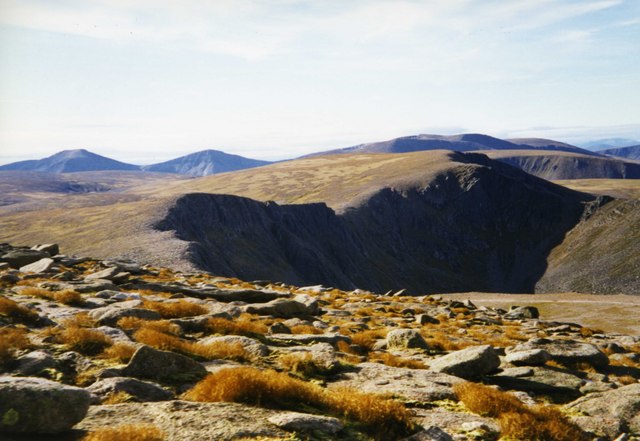
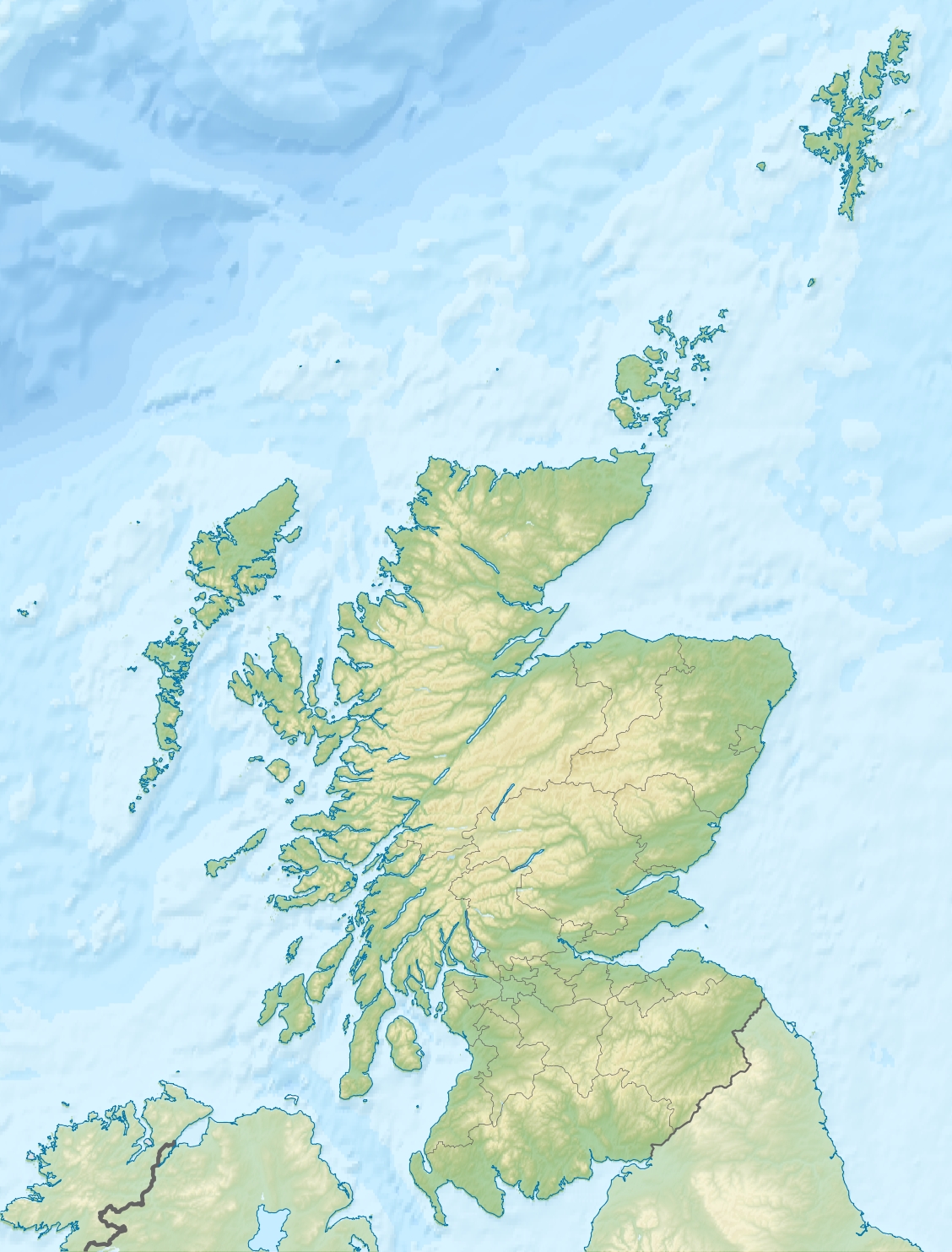
The Cairngorms (Scottish Gaelic: Am Monadh Ruadh) are a distinct group of mountains lying in the eastern part of the Scottish Highlands. The range takes its name from Cairn Gorm, one of the best-known peaks, and includes extensive plateaux, corries and granite tors that create a high, tundra-like landscape. The area is widely regarded for its dramatic scenery and for hosting some of the highest and most extensive mountain terrain in Britain. Regional maps and guides identify the Cairngorms as a core upland area of the Highlands within Scotland.
Image gallery
10 Images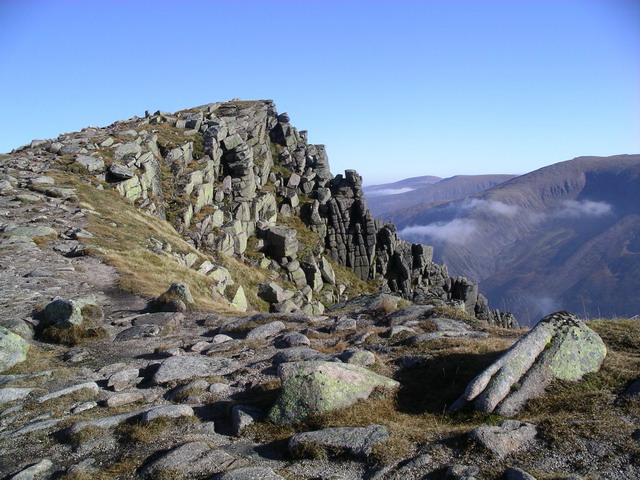



Geography and geology
The massif is characterised by rounded summits and large, flat plateaux underlain largely by granite. Glacial action in past ice ages shaped deep glens and sheltered corries, leaving features such as moraines and lochans. The Cairngorms sit alongside neighbouring ranges and uplands such as the Angus Glens and the Monadhliath; together with lower-lying valleys of Strathspey they form the modern protected area. For location details and travel planning see local resources and visitor centres: visitor information.
Ecology and wildlife
The high plateaux support specialised arctic–alpine vegetation and rare habitats that persist from colder climates. Birdlife includes species adapted to upland environments; mammals and plants of conservation concern are managed across the area. A small free-ranging herd of reindeer was established in the mid-20th century and remains a notable feature. Conservation interest in the Cairngorms has led to formal protection efforts and consideration for international recognition: the area has appeared on a tentative list for UNESCO World Heritage status and related cultural and natural assessments can be found through heritage partners: heritage listings.
History and human use
Human presence in the Cairngorms dates back millennia with archaeological traces of hunting, seasonal use and later pastoral agriculture. Over centuries the landscape has been shaped by estate management, sporting pursuits and settlement patterns. Local communities and visitor towns act as gateways to the hills and provide cultural context for the broader region; practical information about towns, services and conservation partnerships is provided by regional organisations: park authorities.
Recreation and management
The Cairngorms are a popular destination for hillwalking, mountaineering, skiing and wildlife observation. Trails, mountain huts and ski facilities concentrate activity in certain zones; managers balance access with habitat protection, addressing issues such as trampling, deer grazing and the effects of climate change. Typical visitor activities include:
- Hillwalking and munro-bagging on well-known peaks
- Winter sports on established ski areas
- Guided nature watching and educational programmes
- Research into upland ecology and long-term monitoring
The Cairngorms remain an important area for both natural heritage and outdoor culture. Ongoing conservation work, community engagement and careful visitor management aim to sustain the uncommon habitats and scenic values that define the range.
Questions and answers
Q: What is the Cairngorms?
A: The Cairngorms is a group of mountains in the eastern part of Highlands of Scotland. It is usually linked with the mountain of the Cairn Gorm.
Q: When did it become part of Scotland's second national park?
A: The Cairngorms became part of Scotland's second national park (the Cairngorms National Park) on 1 September 2003.
Q: Is it part of UNESCO World Heritage Sites?
A: Yes, it was part of the tentative list of UNESCO World Heritage Sites.
Q: What areas make up the Cairngorms National Park?
A: The Cairgorms, Angus Glens, Monadhliath, and lower areas of Strathspey make up the Cairngorms National Park.
Q: Where is the Cairn Gorm located?
A: The Cairn Gorm is located in the eastern part of Highlands in Scotland and is usually linked with the group of mountains known as the Cairngorms.
Q: What language does "Am Monadh Ruadh" mean?
A:"Am Monadh Ruadh" means "The Red Mountains" in Scottish Gaelic.
Author
AlegsaOnline.com Cairngorms — mountains and national park in Scotland Leandro Alegsa
URL: https://en.alegsaonline.com/art/135964