
Kathleen Hanna: Musician, Feminist Activist and Riot Grrrl Pioneer
Overview of Kathleen Hanna’s life and work: singer, songwriter, and activist known for Bikini Kill, Le Tigre, The Julie Ruin, and her role in the Riot Grrrl movement.
Kathleen Hanna (born November 12, 1968) is an American musician and cultural figure whose work blends political conviction with DIY performance. She first became widely known as the lead voice of the punk band Bikini Kill, and later expanded into electronic and indie-inflected projects. Hanna’s public identity also includes decades of engagement as a feminist activist and organizer.
Image gallery
4 Images
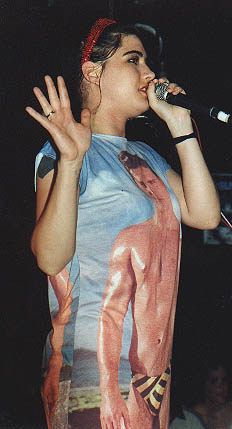


Career and musical style
Hanna’s musical output is rooted in aggressive, urgent sounds often associated with punk rock but she has worked across styles that incorporate elements of indie rock, electronic beats, and pop melody. After Bikini Kill’s principal activity in the early-to-mid 1990s she released a solo cassette project under the name Julie Ruin in 1998 and co-founded the dance-punk group Le Tigre with Johanna Fateman the same year. In 2010 she revived the Julie Ruin concept as a full band, whose album Run Fast was issued in September 2013 and supported by touring.
Activism and the Riot Grrrl movement
Hanna was a prominent voice in the grassroots Riot Grrrl scene, which combined small-venue concerts, self-produced fanzines, and local organizing to confront sexism, sexual assault, and gendered power structures. Her lyrics and public statements emphasized direct action and empowerment; some observers and Hanna herself have described this stance with the term radical feminist. Alongside music, she helped popularize the use of zines, petitions, and community workshops as tools for political education.
Personal life and health
Born in Portland, Oregon and raised in Maryland, Hanna later relocated to New York and has been a visible figure in several cities’ music scenes. She is married to Adam Horovitz of the Beastie Boys. Hanna has publicly discussed health challenges, including a period living with Lyme disease, which affected her ability to perform and required extended treatment and recovery.
Notable works and influence
Hanna’s recorded and performed work includes a mix of band releases and solo projects. She is widely credited with helping to shape a strain of culture that links punk aesthetics with feminist politics, and her efforts influenced later generations of musicians, activists, and writers who favor direct, community-based approaches to social change. Beyond records and concerts, Hanna’s legacy is often discussed in terms of the networks, zines, and conversations she helped build.
- Early prominence with Bikini Kill, a band central to 1990s punk and Riot Grrrl organizing.
- 1998 solo cassette released as Julie Ruin and formation of Le Tigre with Johanna Fateman.
- Revival of The Julie Ruin as a band in 2010 leading to the album Run Fast (2013).
- Continued recognition for combining performance, feminist critique, and grassroots cultural production.
For readers seeking more detail on specific recordings, performances, and interviews, the web contains many archival zines and music resources that document Hanna’s projects and the broader Riot Grrrl network. Representative entries and further reading can be located through music archives and oral-history collections that track independent feminist culture.
Additional contextual resources: punk rock context, indie rock context, and historical material on the Riot Grrrl movement and related activism are useful starting points for understanding Hanna’s impact.
Related articles
Author
AlegsaOnline.com Kathleen Hanna: Musician, Feminist Activist and Riot Grrrl Pioneer Leandro Alegsa
URL: https://en.alegsaonline.com/art/123403
Sources
- insidemovies.ew.com : "Kathleen Hanna"
- elle.com : "Sonic Youth Interview"