
Rickshaw: human-powered and motorized passenger vehicles
A rickshaw is a lightweight passenger vehicle originally pulled by a person. Variants include bicycle-drawn and motorized models; they remain common in parts of Asia and are used for short urban trips and tourism.
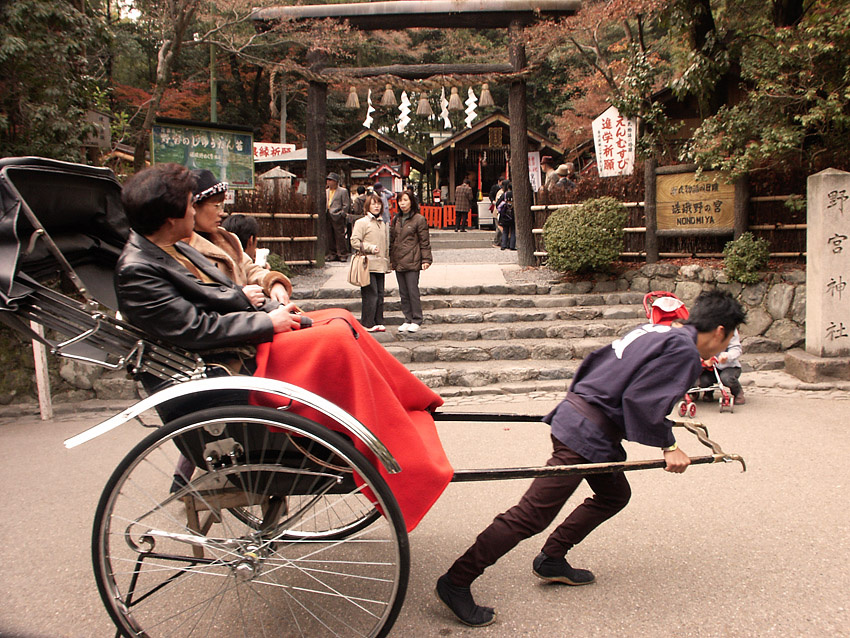
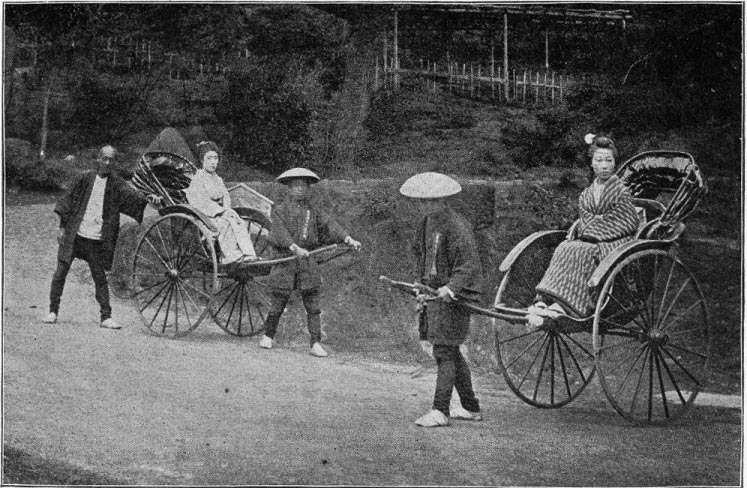
A rickshaw is a compact passenger conveyance designed for short-distance transport. Historically it refers to a two-wheeled carriage pulled by a person, but the term now covers several related forms. As a basic vehicle, many rickshaws retain the simple layout of a sprung passenger seat mounted above two wheels with shafts or a frame for pulling. Traditional rickshaws are usually human-pulled, although later adaptations include cycle-drawn and motorized versions.
Image gallery
10 Images




Characteristics and components
Common elements across rickshaw types are a lightweight frame, a covered passenger area, and a design optimized for narrow streets and easy turning. Typical parts include shafts or handles for the puller, a bench or seat for one or two passengers, a canopy for weather protection, and simple suspension or springs for comfort. Cycle rickshaws replace the human runner with a pedal-driven bicycle mechanism, while motorized variants use small engines and often three wheels.
Types and variations
- Pull rickshaw: the classic two-wheeled, hand-pulled carriage that dominated Asian cities in the 19th and early 20th centuries.
- Cycle rickshaw: a tricycle or modified bicycle that carries passengers in a rear or front cabin; common in urban areas where short trips are frequent.
- Auto rickshaw / tuk-tuk: motorized three-wheeled taxis that evolved from the rickshaw concept and are widespread in many countries.
Each form adapts the basic idea to different needs: human-pulled models are simple and inexpensive, cycle rickshaws increase speed and load capacity, and motorized versions serve as small public taxis.
History and development
The rickshaw concept is often traced back to late 19th-century Japan, where lightweight pulled carts became a practical urban transport. From there the idea spread across Asia and was adapted locally to suit street conditions and economic realities. Over time, social attitudes, legislation, and new technologies reduced the prevalence of hand-pulled rickshaws in some cities, while bicycle and motorized variants expanded.
Today rickshaws still play an important role in parts of South and East Asia. For example, cycle and auto rickshaws are an everyday sight in Bangladesh, and pulled rickshaws survive in Japan mainly as cultural or tourist attractions in historic districts like Kyoto and Hakodate (Japan). Beyond transport, rickshaws are notable for their economic role: they provide affordable mobility, livelihoods for drivers, and flexible service where larger vehicles cannot operate.
Notable distinctions include the differing legal status and regulation of rickshaw types, the environmental trade-offs between human- or pedal-powered models and motorized ones, and the cultural symbolism the vehicle carries in various societies. For short urban journeys and tourist experiences, the rickshaw remains a recognizable and adaptable form of transport around the world.
Related articles
Author
AlegsaOnline.com Rickshaw: human-powered and motorized passenger vehicles Leandro Alegsa
URL: https://en.alegsaonline.com/art/82809