
Bagan: Ancient city and archaeological landscape in Myanmar
Bagan (Pagan) is an archaeological zone in Myanmar's Mandalay Region, renowned for its thousands of Buddhist temples from the 9th–13th centuries and its role as the capital of the Pagan Kingdom.
Overview
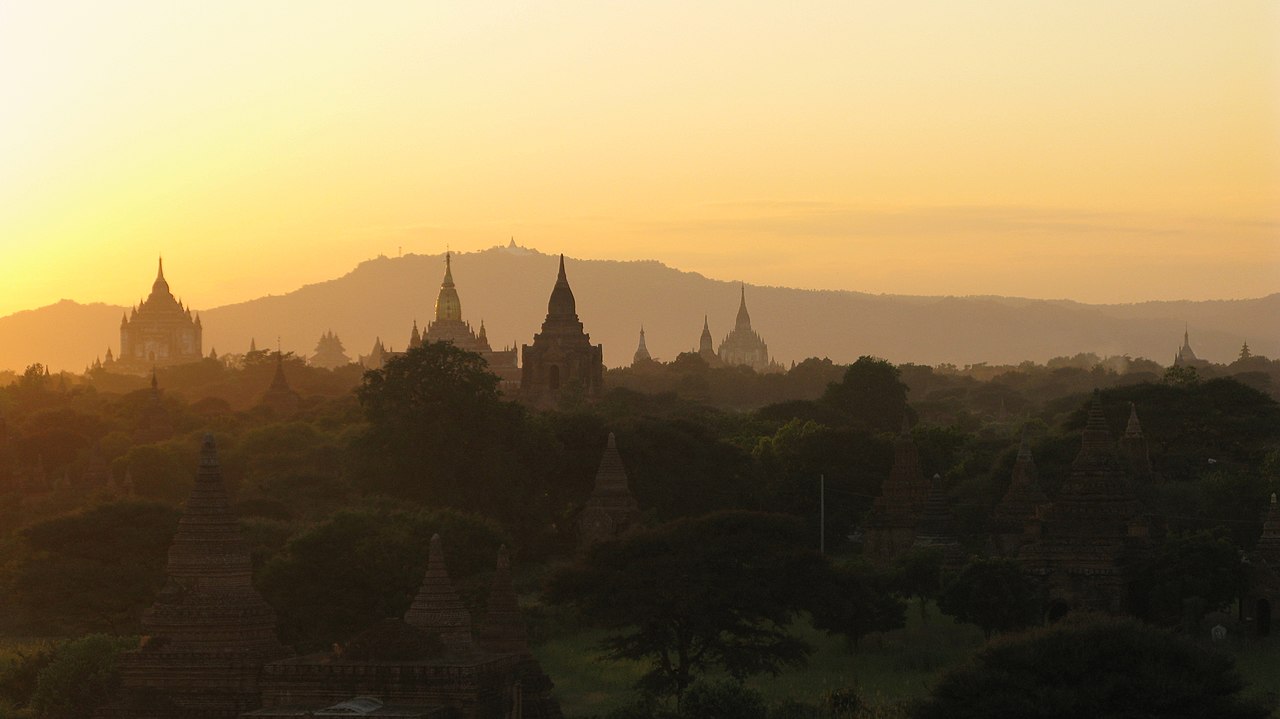
Bagan, historically also called Pagan, is an ancient urban and religious complex on the central plains of the Mandalay Region in Myanmar. It served as the seat of the Pagan Kingdom from about the 9th to the 13th centuries and reached its greatest cultural productivity during a so‑called golden age between the 11th and 13th centuries. During that period the city was the focus of large-scale religious patronage: thousands of structures—stupas, temples and monastic buildings—were erected across the plain.
Image gallery
10 Images




Form, materials and features
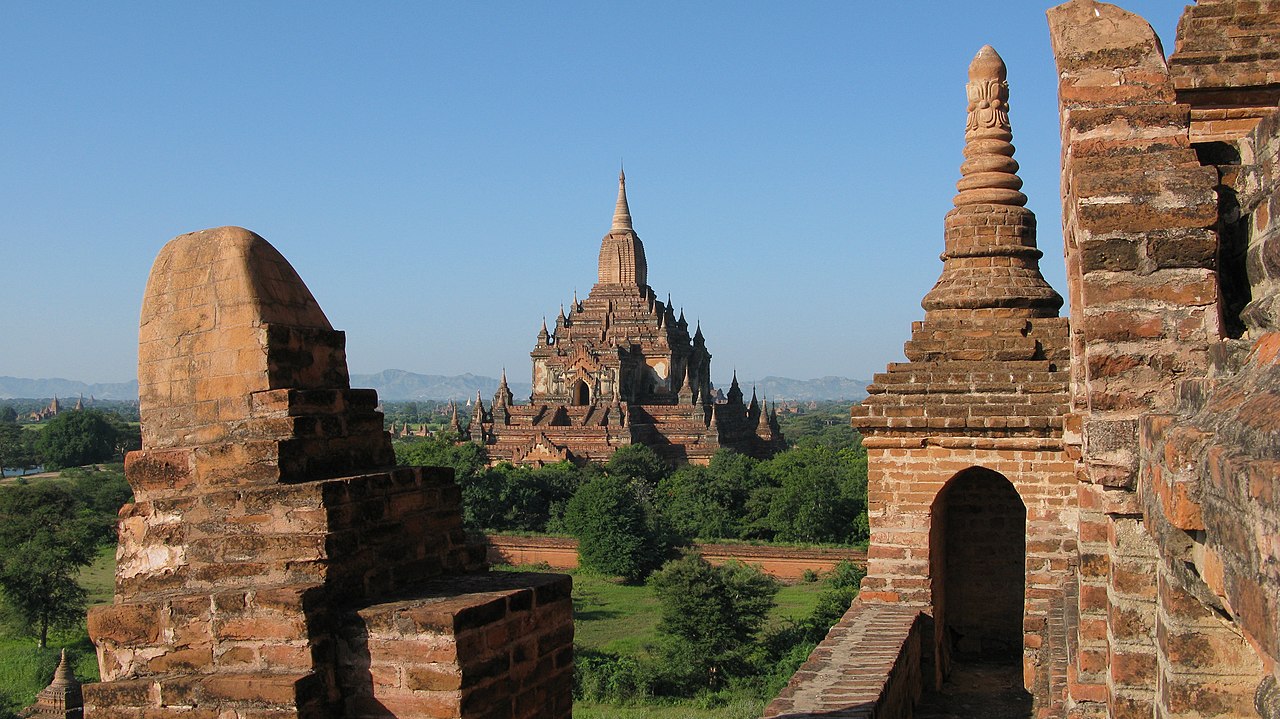
Bagan's religious architecture is dominated by brick-built structures, including solid stupas, multi-tiered temple complexes and monastery compounds. Many buildings display carved stucco, interior murals and Buddha images associated with Buddhist devotional practice. Rooflines, terraces and internal corridors created spaces for circumambulation and ritual, while some larger monuments incorporate multiple shrine rooms and galleries.
History and development
The city grew as a political and spiritual centre for successive Burmese polities. Wealth from agriculture, trade and royal patronage encouraged mass construction of temples, pagodas and monasteries. Although many original structures have been lost to time, collapse, or earthquake damage, the surrounding plain still contains more than two thousand standing monuments. Archaeological study and inscriptional evidence connect Bagan to the consolidation of Burmese language, law and religious institutions in mainland Southeast Asia.
Notable monuments
- Ananda Temple — a well-known example of symmetry and devotional sculpture.
- Shwezigon Pagoda — influential in later Burmese temple forms.
- Thatbyinnyu and other large pyramidal temples illustrating architectural ambition and artistic program.
Conservation, tourism and significance
Bagan is a major destination for cultural tourism, famed for sunrise and sunset views over the plain and for activities such as hot-air balloon flights. It was inscribed as a World Heritage site to recognise its outstanding cultural landscape and to support preservation efforts. Conservation has involved archaeological assessment, earthquake repair and debates about restoration methods—balancing authenticity with safety and visitor access. Despite past damage, the site remains one of Southeast Asia's most important concentrations of premodern religious architecture, valued for its historical, artistic and spiritual legacy.
Related articles
Author
AlegsaOnline.com Bagan: Ancient city and archaeological landscape in Myanmar Leandro Alegsa
URL: https://en.alegsaonline.com/art/8267
Sources
- whc.unesco.org : "Bagan Archaeological Area and Monuments"