
Baghlan Province
Baghlan Province in northern Afghanistan centered on Pul-i Khumri. A concise overview of its geography, people, economy, history, infrastructure and notable features.
Overview
Baghlan is a province in the northern part of Afghanistan. Its administrative centre is the city of Puli Khumri, an urban and commercial hub for the surrounding agricultural valleys. The provincial name derives from a historic town called Baghlan. Local names are rendered in both Persian and Pashto (Persian / Pashto).
Image gallery
10 Images


Geography and environment
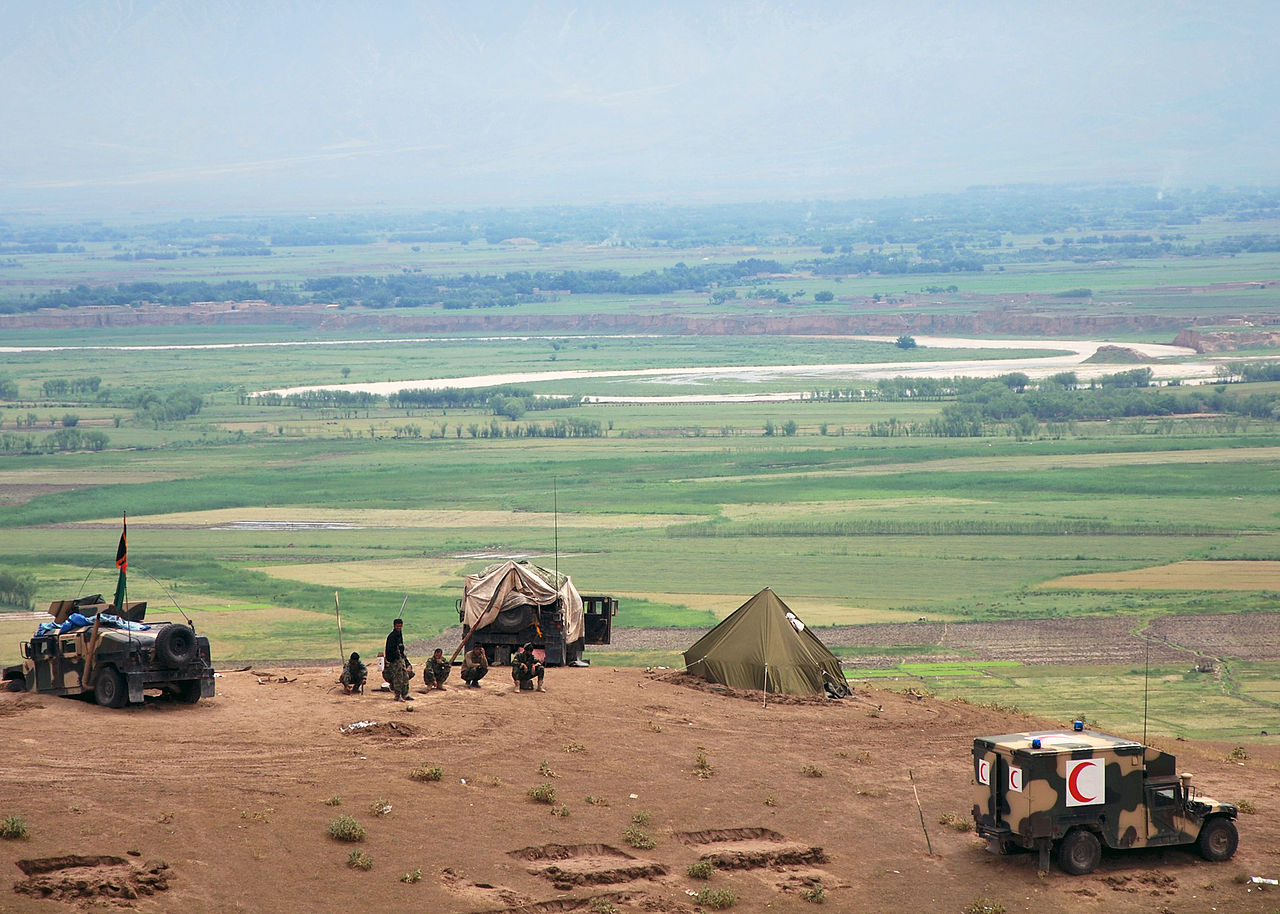
The province includes a mix of fertile plains, river valleys and lower mountain ranges that form part of the broader highland landscape of central and northern Afghanistan. Seasonal rivers and irrigation support orchards and cereal cultivation. Climate varies with elevation, with hotter summers in the plains and colder conditions in upland areas.
Economy and land use
Baghlan's economy is primarily agricultural, supplemented by industrial activities and local trade centered on the provincial capital. Small- and medium-scale industry is concentrated around Puli Khumri, while rural districts focus on farming and livestock. Common economic activities include:
- Production of cereals, fruits and vegetables in irrigated valleys
- Livestock husbandry and local food processing
- Industrial enterprises and services in the provincial city
People and society
The province is ethnically diverse, with communities that include Tajiks, Pashtuns, Uzbeks, Hazaras and smaller groups. Dari (Persian) and Pashto are widely spoken along with local dialects. Social life is influenced by rural village networks, urban trade links and long-standing cultural traditions.
History and strategic importance
Baghlan has long been part of the regional crossroads connecting central Afghanistan with northern plains. Over centuries the area has been governed by various regional powers and has played a role in trade and migration across the highlands. In modern times its strategic roads, population centers and resources have made it important for both development and security planning.
Administration, infrastructure and challenges
The provincial administration oversees several districts and delivers public services from the capital. Key infrastructure priorities include roads linking the province to neighboring regions, irrigation and energy supply for households and industry, and reconstruction projects. Like many provinces in the country, Baghlan faces development and security challenges while also possessing significant agricultural potential and human resources.
For further reading about local place names and languages see the links to Persian and Pashto renderings, and to the provincial capital and the historic town: Persian name, Pashto name, Puli Khumri, Baghlan town, and context on Afghanistan.
Questions and answers
Q: How many provinces does Afghanistan have and where is Baghlan located?
A: Afghanistan has thirty-four provinces and Baghlan is one of them. It is located in the north of the country.
Q: What is the capital of Baghlan Province?
A: The capital of Baghlan Province is Puli Khumri.
Q: What is the origin of the name Baghlan?
A: The name Baghlan comes from a major town in the province with the same name.
Q: In which part of Afghanistan is Baghlan Province located?
A: Baghlan Province is located in the northern part of Afghanistan.
Q: What language is spoken in Baghlan Province?
A: The main languages spoken in Baghlan Province are Persian and Pashto.
Q: Can you name any other provinces in Afghanistan?
A: Yes, some other provinces in Afghanistan include Kabul, Herat, Kandahar, Balkh, and Kunduz.
Q: What is the significance of Baghlan town in the province?
A: Baghlan town is a major town in Baghlan Province and the name of the province itself is derived from it.
Tags
Related articles
Author
AlegsaOnline.com Baghlan Province Leandro Alegsa
URL: https://en.alegsaonline.com/art/8284
Sources
- afghaneic.org : afghaneic.org
- nps.edu : Baghlan province on NPS
- books.google.com : Conflict in Afghanistan: a historical encyclopedia
- fao.org : Afghanistan Geographic & Thematic Layers