
Monastery: communal religious residence, practice, and historical roles
A monastery is a dedicated residence where members of a religious order live and practice their faith under vows. This article explains its organization, history, roles, and variations across traditions.
Overview
A monastery is a place where members of a religious community live together to pursue spiritual practice, study, and service. In many traditions the term most commonly evokes monks, while women who live a similar communal life are often called nuns or are organized in a convent or nunnery. In Christian usage an institution led by an abbot or abbess is sometimes called an abbey; the word links to a tradition of spiritual fatherhood and leadership that has equivalents in other faiths. Monasteries exist in Christianity, Buddhism, Hinduism, Jainism and other religious systems, and their forms and rules vary by culture and era.
Image gallery
10 Images




Characteristics and parts
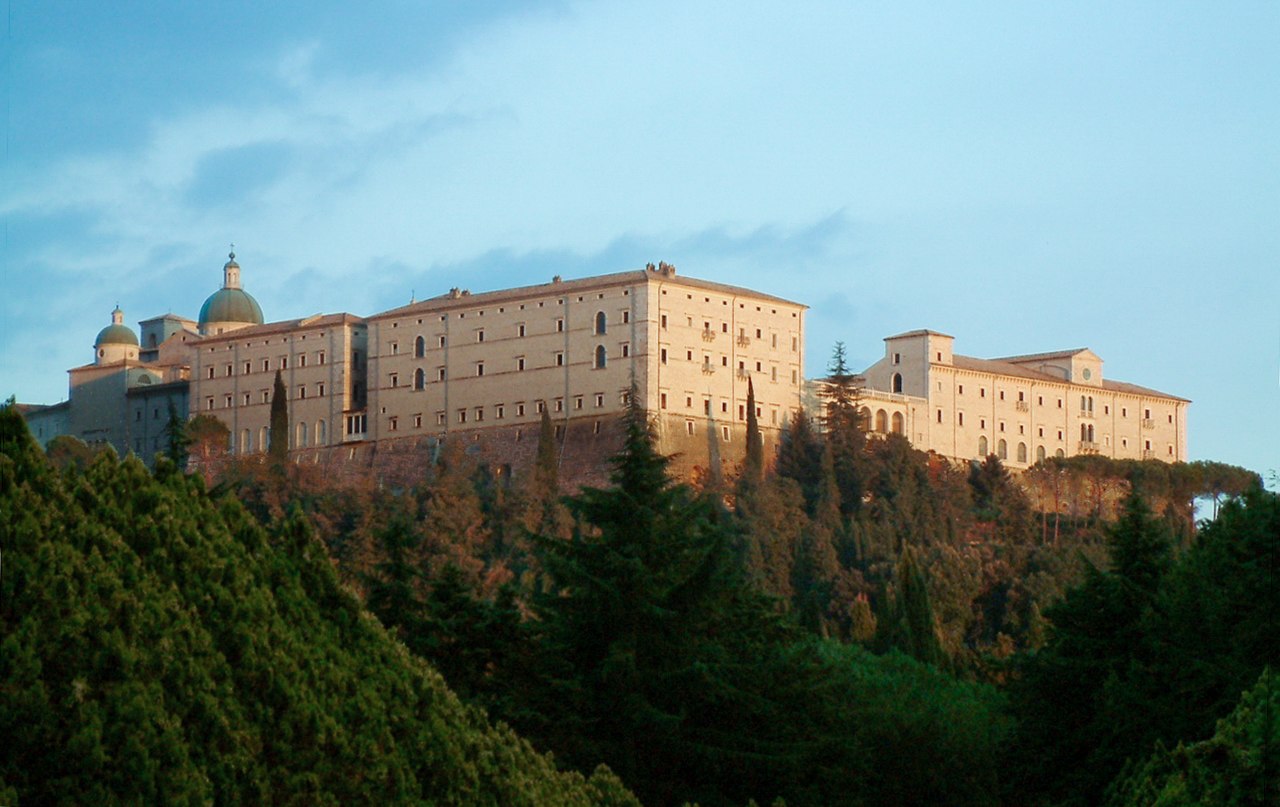
Despite variety, most monasteries share several practical and architectural features. A religious building or chapel is usually at the center for communal worship, and living spaces include dormitories, a refectory for shared meals, a library or scriptoria for study, and outdoor grounds for gardens and work. Daily life commonly follows a rhythm of prayer, work and study regulated by a rule or code: for example, vows often emphasize poverty, chastity (including celibacy in many traditions) and obedience. Property and resources are typically held by the community rather than by individuals, reflecting a collective approach to ownership and sustenance.
History and development
Monasticism developed independently in several religions as a response to religious, social and intellectual needs. In Christianity, monastic communities became especially prominent after the decline of imperial structures in the early medieval period and played a role during the Middle Ages in preserving learning and maintaining social services. Older civilizations such as the Roman Empire encountered and influenced monastic practices as Christianity spread. In Buddhism, monasteries served as centers of teaching and as repositories of texts; over time, regional architectural styles and institutional rules produced many distinct monastic traditions.
Roles, services and importance
- Preservation of knowledge and manuscripts: monasteries have historically copied, stored and taught texts.
- Education and health care: monastic communities often provided schooling and basic medical care to nearby populations.
- Agriculture and craft: many communities supported themselves through farming, craftwork and hospitality to travelers.
- Religious leadership: monks and nuns often offered pastoral care, ritual services and moral guidance within the towns and countryside where they lived.
- Outreach and teaching: communities engaged with the wider community by teaching, translating texts, and supporting charitable activity, including the transmission of teachings about God or ultimate principles.
Variations and notable distinctions
Different names reflect different roles: an abbey is typically a large autonomous house led by an abbot or abbess; a priory can be subordinate to an abbey; a friary houses mendicant friars who emphasize itinerant ministry; and a convent is often used for communities of women. Some monasteries are deliberately remote, designed for solitary or eremitic practice, while others are integrated into urban life and serve as centers of education, charity and culture. Modern monastic life ranges from strict cloistered orders to communities that combine contemplative practice with active work in society.
Contemporary relevance
Today monasteries continue to be places of spiritual commitment, artistic production, scholarship and social service. They remain important for religious tradition, cultural heritage and local economies, and they attract people seeking retreats, study, or a different pace of life. While their forms have evolved, the basic idea—a group of people living under a shared rule to pursue spiritual aims—remains central across cultures and centuries.
Questions and answers
Q: What is the difference between a monastery and a convent?
A: A monastery is a place where monks live, while a convent or nunnery is usually where nuns live.
Q: What is an abbot?
A: An abbot is the monk in charge of an abbey.
Q: What is an abbess?
A: An abbess is the nun in charge of an abbey.
Q: Are monks allowed to marry?
A: No, monks are not allowed to marry and must practice celibacy.
Q: Are monks allowed to own anything?
A: No, monks are not allowed to own anything; all their possessions belong to the monastery.
Q: How did monasteries help preserve knowledge during the Middle Ages?
A: During the Middle Ages after the Roman Empire was defeated, monasteries were some of the few places where knowledge still existed. Monks preserved this knowledge by copying manuscripts and teaching others about it.
Q:What kind of work do modern-day monks do in their communities?
A:Modern-day monks often provide services such as teaching, medical care or telling people about God in their communities.
Related articles
Author
AlegsaOnline.com Monastery: communal religious residence, practice, and historical roles Leandro Alegsa
URL: https://en.alegsaonline.com/art/65963