
Fibromyalgia: chronic widespread pain and related symptoms
Fibromyalgia is a long-term disorder marked by widespread pain, fatigue, sleep disturbance and cognitive difficulties. It most commonly affects adults, especially women, and is managed with symptom-targeted therapies.
Fibromyalgia is a chronic condition characterized chiefly by widespread musculoskeletal pain and heightened sensitivity to touch. People with the condition commonly experience a cluster of other problems including profound fatigue, unrefreshing sleep and cognitive difficulties. Because of the prominence of persistent pain it is often described in relation to chronic pain, and many patients also have mood or emotional symptoms such as depression or stress and anxiety. Although it is more frequently diagnosed in women and typically begins in adulthood, younger people and children can be affected as well.
Image gallery
1 Image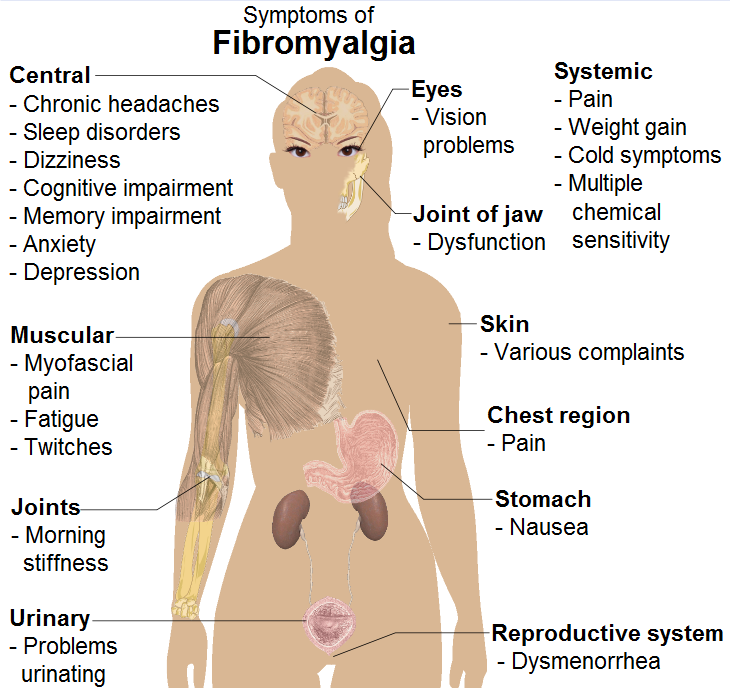
Symptoms and common features
The clinical picture of fibromyalgia is variable but several features recur across patients. Typical complaints include widespread aching and stiffness, abnormal tenderness at multiple sites, marked fatigue that is often disproportionate to activity, and disrupted sleep. Many people describe cognitive slowness, difficulty concentrating and memory lapses often called "fibro fog." Additional symptoms can include headaches, irritable bowel symptoms, heightened sensitivity to noise or light, and worsening of symptoms after physical or mental exertion.
Causes and diagnosis
The precise cause of fibromyalgia is not established. Research points toward altered pain processing in the central nervous system — sometimes referred to as central sensitization — which amplifies normal sensory signals. Genetic predisposition, prior infections, physical injuries or emotional stressors may act as triggers in susceptible individuals. Fibromyalgia is not primarily an inflammatory or degenerative joint disease.
Diagnosis is clinical and based on a characteristic pattern of symptoms and their duration. Modern diagnostic approaches emphasize widespread pain and symptom severity rather than the older concept of specific tender points. Physicians also order blood tests or imaging when needed to exclude other disorders that can mimic similar symptoms, such as autoimmune conditions or endocrine problems.
Management and outlook
There is no single cure for fibromyalgia, but many people gain substantial benefit from a multimodal management plan tailored to their needs. Core components include patient education, graded exercise programs and sleep improvement strategies. Cognitive behavioral therapy and other psychological approaches can help with coping and symptom control. Medications may be used selectively to treat pain, sleep disturbance or mood problems; options include certain antidepressants, anticonvulsant agents and short-term analgesics. Long-term opioid use is generally discouraged. Self-management techniques—pacing activities, stress reduction, and regular physical activity—are central to improving function and quality of life.
History, impact and distinctions
The concept of widespread soft-tissue pain has been described in various forms for more than a century; the modern term fibromyalgia replaced earlier labels like "fibrositis" in the late 20th century as understanding shifted away from inflammation. The condition can have a substantial impact on daily functioning, work and relationships, though symptoms often fluctuate over time and many people achieve meaningful improvement with treatment. Fibromyalgia can overlap with other syndromes such as chronic fatigue syndrome and functional gastrointestinal disorders, but it is distinguished from inflammatory arthritis and other structural disorders by the absence of objective joint damage or consistent laboratory abnormalities.
Notable points
- Fibromyalgia is a symptom-based diagnosis that requires clinical assessment rather than a single definitive test.
- Treatment focuses on improving function and quality of life through a combination of nonpharmacologic and pharmacologic measures.
- Ongoing research continues into the mechanisms of pain amplification, genetic contributions and better targeted therapies.
Related articles
Author
AlegsaOnline.com Fibromyalgia: chronic widespread pain and related symptoms Leandro Alegsa
URL: https://en.alegsaonline.com/art/34176