
RNA polymerase: function, types, mechanism, and biological importance
RNA polymerase (RNAP) is the DNA-dependent enzyme that synthesizes RNA. This article explains its structure, types (bacterial, archaeal, eukaryotic), transcription cycle, regulation, and biomedical relevance.
Overview
RNA polymerase (RNAP) is the enzyme that copies a DNA template into an RNA molecule in a process called transcription. It is a DNA-dependent RNA polymerase: it reads a DNA strand to produce various classes of RNA, including messenger RNA (mRNA), ribosomal RNA (rRNA) and transfer RNA (tRNA). The enzyme is central to gene expression and links the genetic information encoded in DNA to the production of functional RNAs and proteins. For general context on the enzyme's role in cells, see this entry on the nature of the DNA template: DNA.
Image gallery
10 Images





Structure and major types
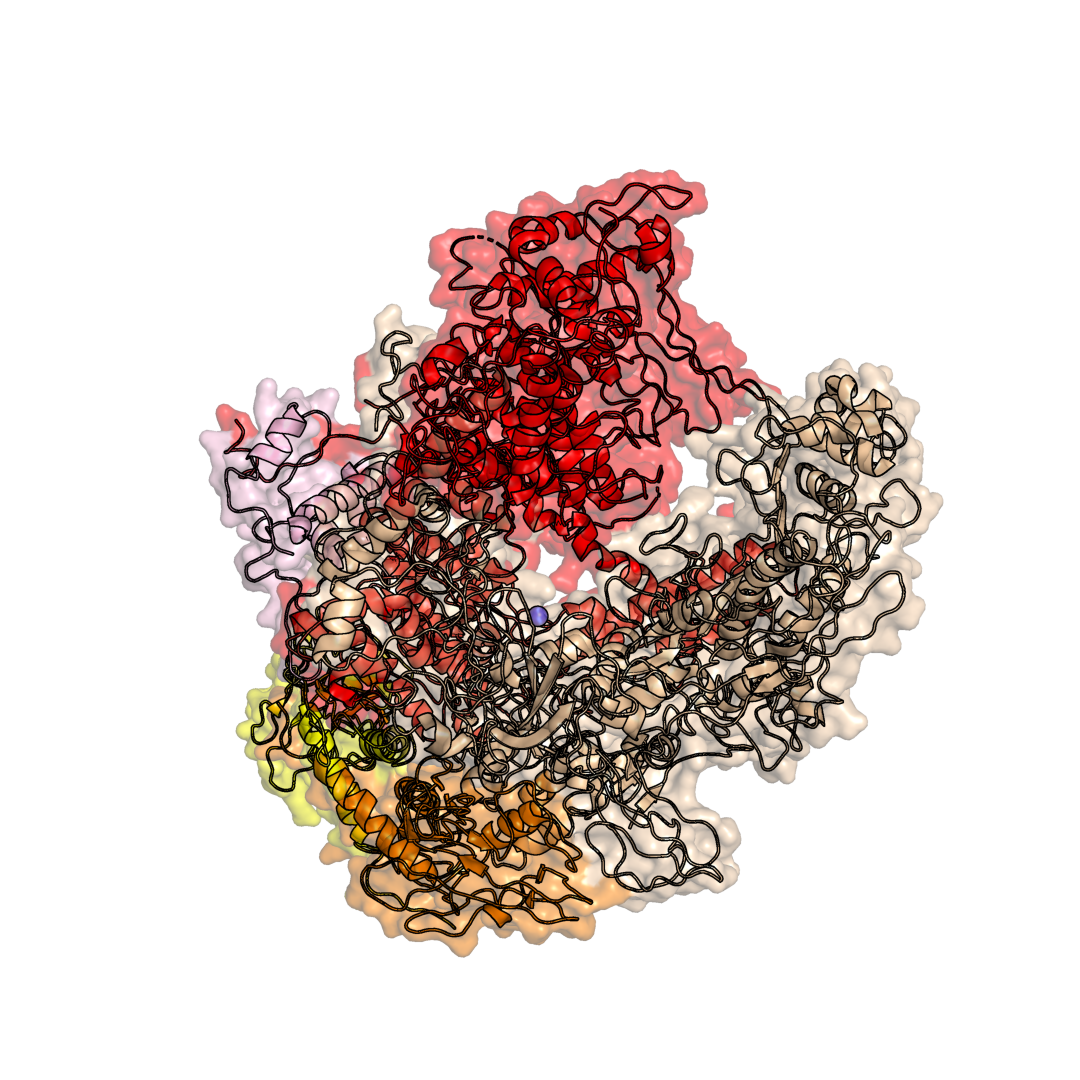
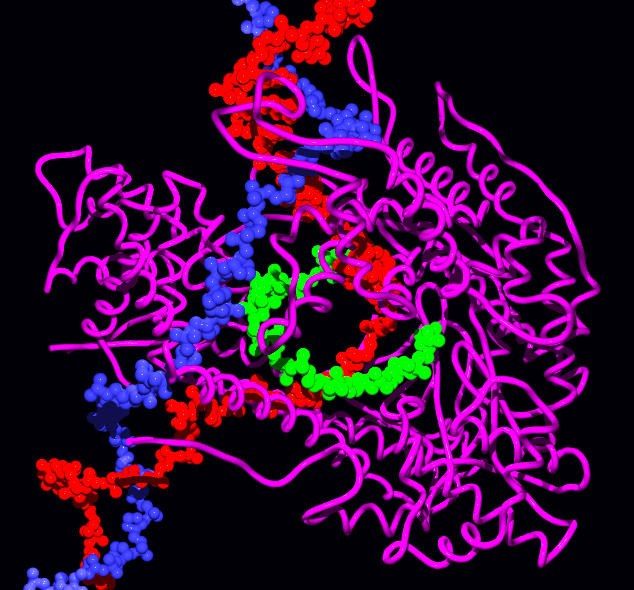
RNAPs differ between domains of life. Bacterial RNAP is a multisubunit complex commonly described as the core enzyme (subunits α2ββ'ω) plus a sigma factor that directs promoter recognition. Eukaryotes possess at least three specialized nuclear polymerases—RNA polymerase I, II, and III—each dedicated to different RNA classes: rRNA (Pol I), mRNA and some snRNAs (Pol II), and tRNA plus other small RNAs (Pol III). Archaeal RNAP resembles the eukaryotic enzymes in subunit composition and mechanism. Eukaryotic Pol II is notable for a C-terminal domain with repeated peptide motifs that coordinate RNA processing.
Mechanism and stages of transcription
Transcription proceeds in three broad stages:
- Initiation: RNAP locates and binds a promoter sequence, often with the help of accessory factors (sigma factors in bacteria, general transcription factors and Mediator in eukaryotes).
- Elongation: The polymerase moves along the DNA, adding ribonucleotides complementary to the template strand and forming an RNA chain.
- Termination: Synthesis stops at specific signals and the RNA product is released; termination mechanisms vary between systems.
Biological roles and coordination
Beyond synthesizing RNA, RNAP coordinates many co-transcriptional events: RNA capping, splicing and 3'-end formation in eukaryotes; coupling to translation in bacteria; and recruitment of chromatin-modifying activities. Different RNAPs and their associated factors allow cells to regulate which genes are expressed, when, and to what extent, making RNAP a primary point of control in gene regulation.
Practical and medical importance
Because RNAP activity is essential, it is a target of natural toxins and therapeutic agents. Examples include rifampicin, which inhibits bacterial RNAP, and α-amanitin, a fungal toxin that blocks eukaryotic Pol II. Small-molecule inhibitors and antibiotics that affect transcription are important tools in medicine and research. Experimental studies of RNAP dynamics underpin many molecular biology techniques and biotechnologies.
Notable discoveries and further reading
High-resolution structural and mechanistic studies of RNAP have greatly advanced understanding of transcription. The 2006 Nobel Prize in Chemistry recognized work that revealed molecular images of RNAP in action: Roger D. Kornberg received the prize for studies that clarified how transcription is carried out at atomic detail. For general background on the enzyme class and its function, see an introductory summary of DNA-dependent polymerases: DNA-dependent enzyme overview. Additional resources on transcription and its regulation are available in specialized texts and reviews: transcription resources and introductory material about DNA: DNA basics.
Questions and answers
Q: What is RNA polymerase?
A: RNA polymerase (RNAP) is an enzyme responsible for transcription.
Q: Who was awarded the 2006 Nobel Prize in Chemistry for creating detailed molecular images of RNA polymerase during transcription?
A: Roger D. Kornberg was awarded the 2006 Nobel Prize in Chemistry for creating detailed molecular images of RNA polymerase during various stages of the transcription process.
Q: What is the main function of RNA polymerase?
A: The main function of RNA polymerase is to make messenger RNA from a strand of DNA, with the help of some other molecules.
Q: What are some other things RNA polymerase does besides transcription?
A: RNA polymerase has various other functions besides transcription.
Q: What are some products of RNA polymerase?
A: The products of RNA polymerase include messenger RNA.
Q: How does RNA polymerase work?
A: RNA polymerase works by binding to a specific region of DNA called the promoter and unwinding the DNA strands. It then reads the DNA sequence and adds complementary RNA nucleotides to form a growing RNA chain.
Q: What is the significance of RNA polymerase in gene expression?
A: RNA polymerase is critical to the process of gene expression, as it is responsible for synthesizing messenger RNA from DNA, which carries the genetic information from the nucleus to the ribosome where it is translated into protein.
Related articles
Author
AlegsaOnline.com RNA polymerase: function, types, mechanism, and biological importance Leandro Alegsa
URL: https://en.alegsaonline.com/art/83202
Sources
- nobelprize.org : Nobel Prize in Chemistry 2006
- doi.org : 10.1016/S0079-6603(08)60506-1
- pubmed.ncbi.nlm.nih.gov : 9932453
- ncbi.nlm.nih.gov : "MicroRNA genes are transcribed by RNA polymerase II"
- doi.org : 10.1038/sj.emboj.7600385
- pubmed.ncbi.nlm.nih.gov : 15372072
- doi.org : 10.1111/j.1432-1033.1993.tb17626.x
- pubmed.ncbi.nlm.nih.gov : 8444147
- doi.org : 10.1126/science.1106910
- pubmed.ncbi.nlm.nih.gov : 15692015
- ncbi.nlm.nih.gov : "RNA Polymerase V transcription guides ARGONAUTE4 to chromatin"
- doi.org : 10.1038/ng.365
- pubmed.ncbi.nlm.nih.gov : 19377477