
Rhythm guitar: role, techniques, notation and history
A clear introduction to rhythm guitar—its function in music, common techniques, notation and equipment, historical development, and differences from lead guitar, with practical examples.
Overview
Rhythm guitar refers to the style of playing that primarily supplies harmony and rhythm rather than carrying a single-note melody or a virtuosic solo. Rhythm guitarists use chords, repeated figures and percussive patterns to support a song's structure and groove. In many ensembles the rhythm guitarist strings together harmonic progressions and rhythmic textures that help lock the band together with the bass and drums.
Image gallery
9 Images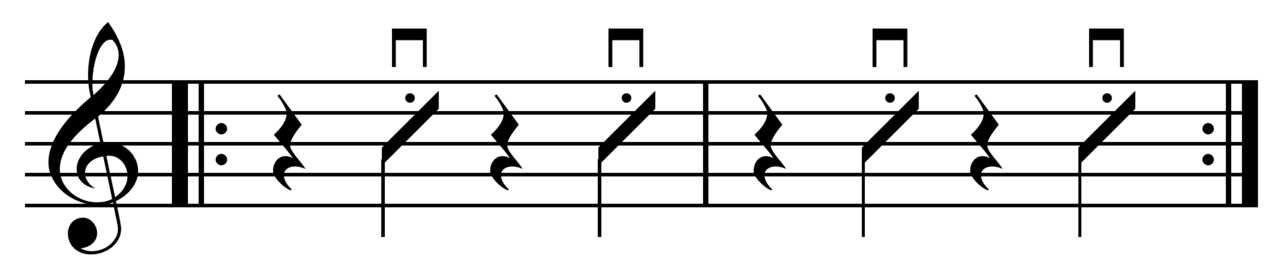


Common characteristics and techniques
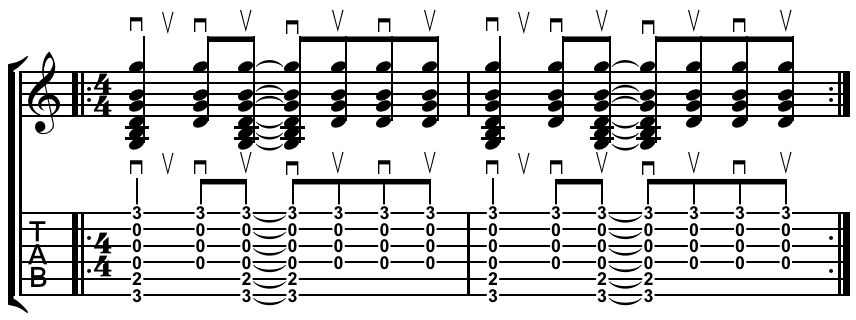
Rather than focusing on single-note lines, rhythm playing emphasizes timing, consistent patterning and chord voicings. Typical techniques include strumming with varied dynamics, palm muting to create percussive accents, syncopated chop or "chunk" patterns, steady downbeat emphasis, and broken-chord arpeggios. In jazz contexts "comping"—short, syncopated chord stabs—is a central rhythm-guitar technique; in reggae the guitar often provides upstroke skanks on the offbeat.
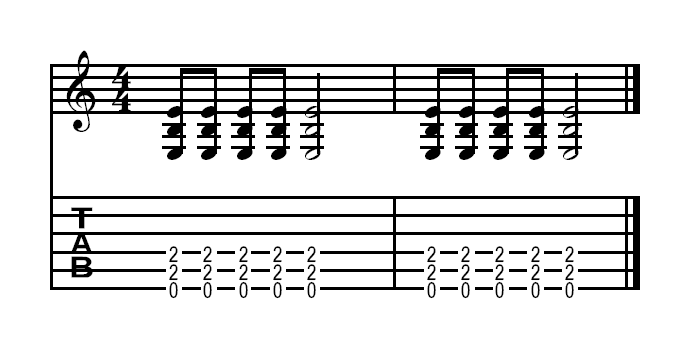
- Strumming patterns: multiple subdivided pulse shapes from straight eighths to swing and syncopation.
- Palm muting and percussive hits: shorten sustain and accent rhythm.
- Arpeggios and riffs: repeated figures that combine harmony with rhythmic drive.
- Chord voicings: open, barre, and triadic shapes chosen for texture and register.
Notation, charts and equipment
Rhythm parts are usually communicated with chord charts, lead sheets, or guitar chord diagrams rather than detailed single-note tablature. In printed or digital arrangements you will often find chord symbols placed above staff notation or lyrics to indicate harmony. Rhythm guitar can be played on acoustic or electric instruments; choice of guitar, string gauge, pick type and amplifier settings all affect attack, sustain and tonal clarity for rhythm work.
History and development
The role of rhythm guitar evolved as popular music styles developed. In early blues and jazz the guitar frequently provided rhythmic harmonic support. With the rise of rock and roll and later rock styles, rhythm guitar became a defining element of many bands, creating the backbone for vocals and lead instruments. Different genres emphasize different rhythmic roles—country uses alternating bass and rhythmic brushes, funk centers on tightly locked sixteenth-note patterns, and punk often employs aggressive downstroke-driven chords.
Role in an ensemble and examples
A rhythm guitarist's job is often to establish and maintain the song's groove, respond to a singer's phrasing, and free the lead instruments to play melodies and solos. Many well-known groups split duties between rhythm and lead; for example, in some famous rock bands one member concentrated on rhythm parts while another handled solos. Rhythm playing can be sparse and supportive or prominent and driving, depending on arrangement and style.
Distinctions and notable facts
Rhythm guitar is not inherently simpler than lead guitar: it requires precise timing, listening, and choices about voicing and dynamics. The distinction between rhythm and lead is fluid—players often switch roles within a song. Understanding both roles improves overall musicianship and ensemble awareness.
Further reading and references
Below are links to topics and resources that expand on concepts in this article. Use them to explore chords, notation and influential players.
- Guitar basics and instrument types
- Chord theory and common chord shapes
- Riff construction and rhythmic motifs
- Melody vs harmony in ensemble playing
- Guitar solos and soloing techniques
- Lead guitar role and stylistic examples
- Band arrangement and interplay
- Rock and roll rhythm conventions
- Notable rhythm guitarists and profiles
- Famous bands with memorable rhythm parts
- Guitarist roles and ensemble division
- Keyboard interactions with guitar in arrangements
- Song examples illustrating rhythm/lead shifts
- Sheet music, chord charts and lead sheets
- Guitar chord formats and diagram conventions
Related articles
Author
AlegsaOnline.com Rhythm guitar: role, techniques, notation and history Leandro Alegsa
URL: https://en.alegsaonline.com/art/82560