
Southern Rhodesia: history, governance, and path to Zimbabwe
Southern Rhodesia was a self-governing British colony in southern Africa that evolved from company rule to settler government, experienced unilateral independence and conflict, and became the independent state of Zimbabwe.
Southern Rhodesia was the name given to a self-governing British colony on the high plateau of southern Africa, occupying the lands north of the Limpopo River and south of the Zambezi River. Its territory corresponds largely to the modern state of Zimbabwe. The colony’s identity was formed during the late 19th and early 20th centuries under the administration of the British South Africa Company and later by a locally based settler government with a wide degree of internal autonomy under the Crown.
Image gallery
5 Images


Origins and administration
Company rule established early colonial administration, settlement and mining concessions. In the early 20th century debates about union with neighbouring territories gave way to a choice for responsible government, after which Southern Rhodesia operated its own legislature and civil service while remaining a British possession. The capital, Salisbury (now Harare), became the administrative and commercial centre.
Economy and society
The colony’s economy rested on commercial agriculture, mineral extraction and transport links. Large-scale farms, mining of gold and other minerals, and a settler-dominated business class shaped economic life. African communities continued diverse rural and urban livelihoods; political rights and land access were deeply contested between racial groups during the colonial era.
Constitutional crisis and transition
From the mid-20th century tensions over representation and sovereignty culminated in a unilateral declaration of independence by the white-minority government in 1965, led by Ian Smith. That act brought international isolation and sanctions and intensified internal resistance. Negotiations, armed struggle and international mediation led to accords at Lancaster House and to internationally recognised majority rule and independence as Zimbabwe in 1980.
Legacy
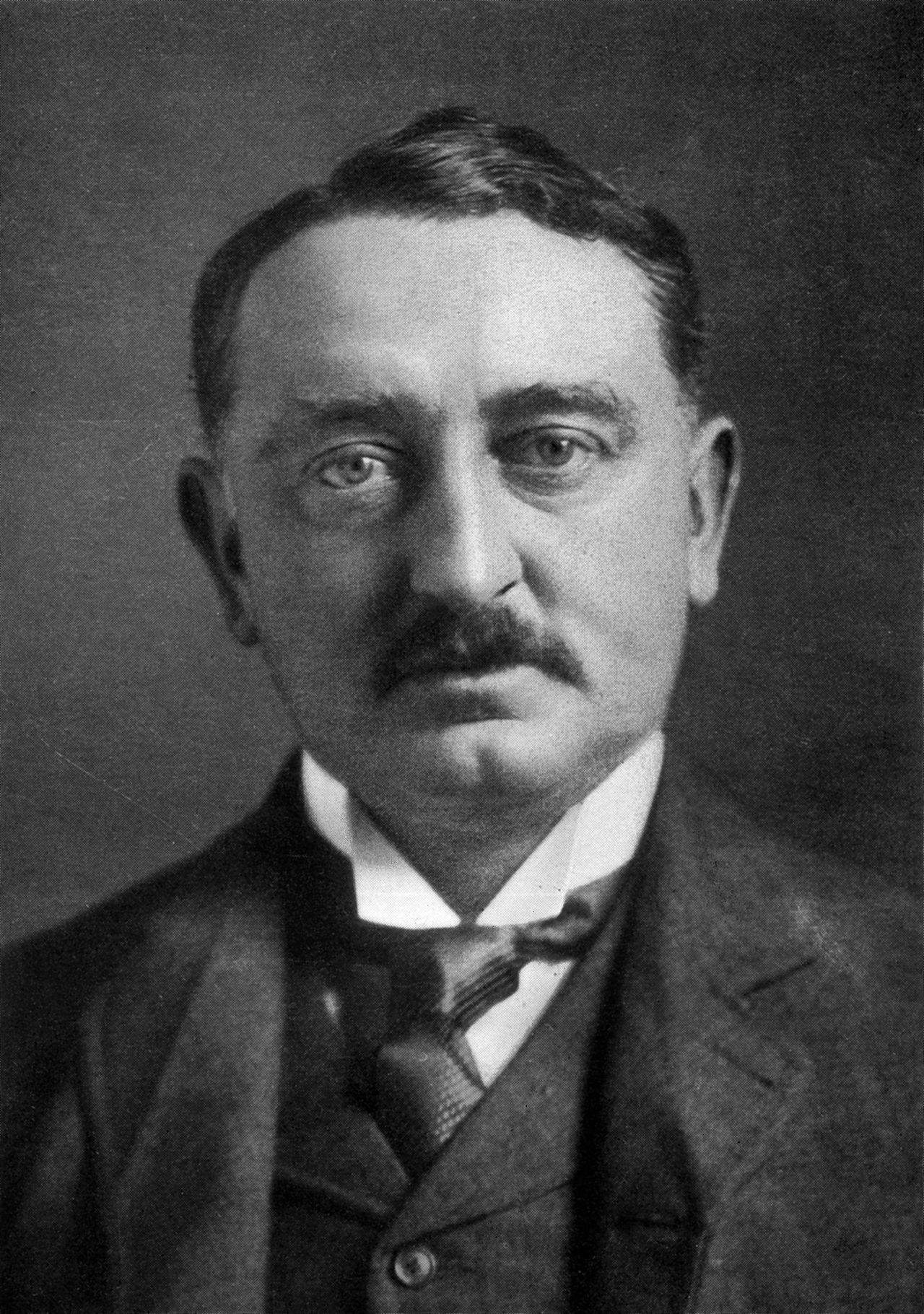
- The name reflects the colonial ties to Cecil Rhodes and the era of imperial company expansion.
- Southern Rhodesia’s institutions, land patterns and political conflicts shaped post‑independence Zimbabwe.
- Histories of the colony are important for understanding decolonisation, settler societies and southern African politics.
For more detailed study consult archival records, specialist histories and regional studies of southern Africa and colonial governance; primary sources and government records remain central to research on Southern Rhodesia’s complex past. Additional reference material is available in British repositories and regional collections (British and local archives).
Related articles
Author
AlegsaOnline.com Southern Rhodesia: history, governance, and path to Zimbabwe Leandro Alegsa
URL: https://en.alegsaonline.com/art/92319