
Rheydt (borough of Mönchengladbach)
Rheydt is a historic urban district in western North Rhine-Westphalia, Germany, known for its Renaissance palace Schloss Rheydt, textile heritage, and a unique railway history.
Overview
Rheydt is a borough (borough) of the city of Mönchengladbach in Germany. Situated in the western part of the state of North Rhine-Westphalia, Rheydt occupies a distinct place within the urban area: it retains a compact town center, historic buildings and a recognizable local identity despite being administratively part of a larger city.
Image gallery
3 Images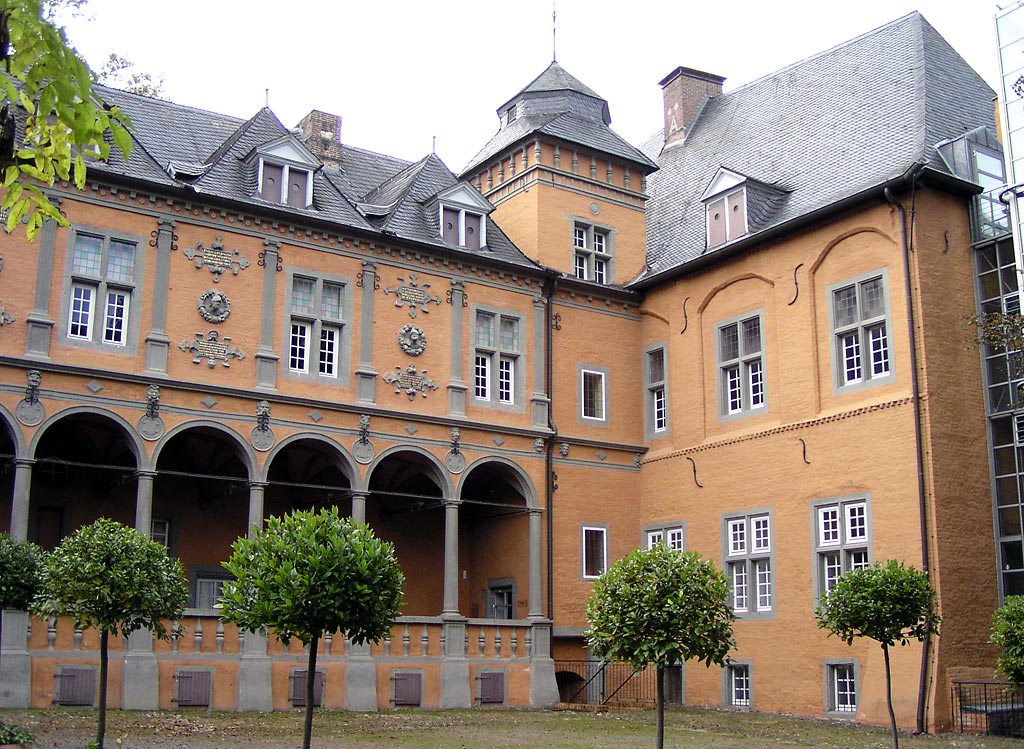

History
The settlement that became Rheydt is recorded in documents from the late 12th century. Over the centuries it developed as a small market town and later as an industrial centre. In the early 20th century Rheydt experienced municipal boundary changes and periods of administrative independence and incorporation into neighboring Mönchengladbach. In the 1930s the locality's modern trajectory was influenced by national politics: Joseph Goebbels, who was born in Rheydt, used his influence to restore the town's status as an independent municipality during the Nazi era. The town suffered considerable damage from aerial bombing during World War II, and in the postwar decades local government reforms led to Rheydt being re-incorporated into Mönchengladbach in the 1970s.
Landmarks and architecture
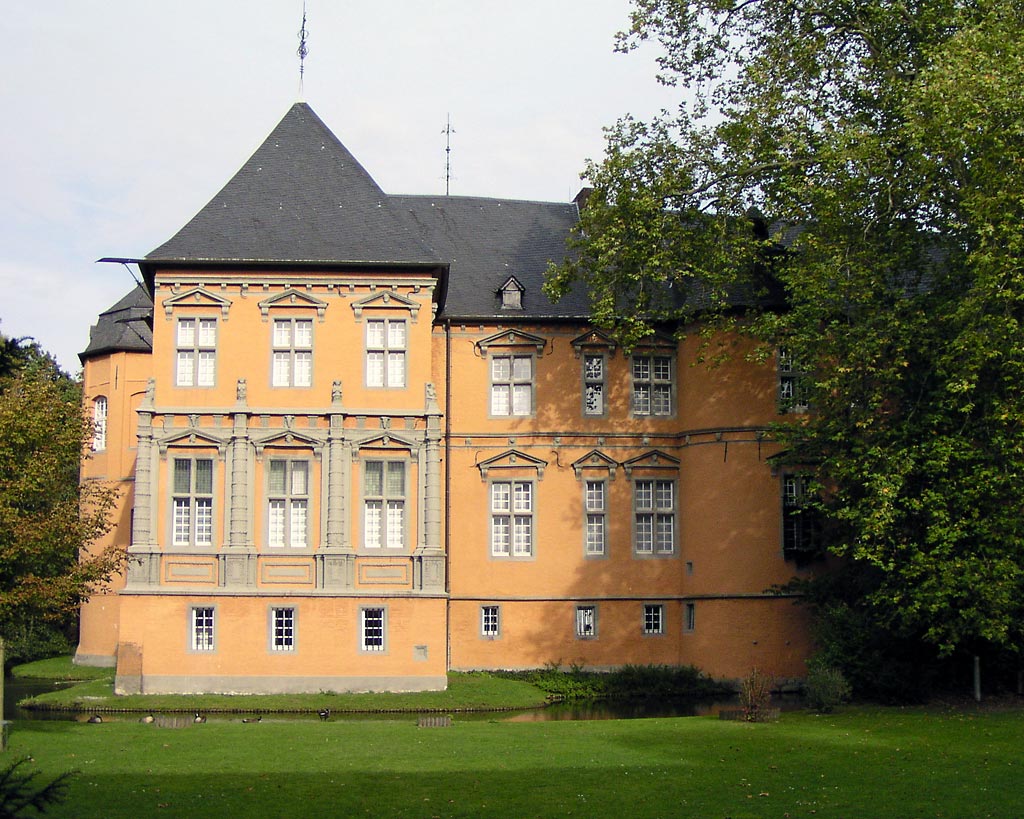
Rheydt's most prominent historic site is Schloss Rheydt, a well-preserved Renaissance palace. The castle retains many features typical of the period and is widely regarded as one of the notable examples of regional Renaissance architecture (Renaissance). Today the building and its grounds are used for cultural events, exhibitions and guided visits that interpret local history and art.
Economy and transport
Historically Rheydt developed an industrial base focused on textiles and silk manufacturing; small and medium-sized factories shaped much of the townscape and employment until the late 20th century. Although the local economy has diversified since then, the textile past remains visible in converted factory buildings and in local memory. Transport links are an important feature: Rheydt maintains its own main station, Rheydt Hauptbahnhof, which retained the historic name after administrative consolidation. As a result, the wider Mönchengladbach area is notable for having two stations that are both called "Hauptbahnhof," a curiosity in German rail geography.
Culture and contemporary life
Rheydt combines residential neighbourhoods, shopping streets and parks around its historic core. Cultural programming at Schloss Rheydt and other local venues highlights arts, local history and community events. The borough's identity is shaped by the interplay of its medieval origins, industrial past and postwar redevelopment, making it a place of layered urban character within a larger city.
Notable facts
- First documentary mention dates from the 12th century, indicating a long settlement history.
- Connection to Joseph Goebbels—an aspect frequently noted in biographies and local histories.
- Schloss Rheydt is among the region's best-preserved Renaissance manor houses and is open for cultural uses.
- Rheydt Hauptbahnhof retained its name after municipal mergers, producing an unusual situation of two Hauptbahnhöfe within one municipal boundary.
For readers seeking further detail about local administration, cultural programming or visiting information, municipal and cultural organization pages provide up-to-date resources and schedules: local borough information, the city of Mönchengladbach and regional tourism or heritage sites often maintain practical visitor guidance.
Related articles
Author
AlegsaOnline.com Rheydt (borough of Mönchengladbach) Leandro Alegsa
URL: https://en.alegsaonline.com/art/82500