
Mönchengladbach: City in the Lower Rhine region of North Rhine-Westphalia
Mönchengladbach (also Moenchengladbach) is a city in western Germany near the Netherlands, known for industry, cultural institutions, transport links and the football club Borussia Mönchengladbach.
Overview
Mönchengladbach is a mid-sized city in the very west of Germany, in the historic Lower Rhine plain. The city name contains the character ö; where diacritics are not used it is often rendered as Moenchengladbach. Located roughly 35 km from Düsseldorf and about 15 km from the border with the Netherlands, it forms part of the wider Rhine-Ruhr region. The urban area has around 260,000 inhabitants and combines industrial heritage with residential neighbourhoods, parks and cultural venues.
Image gallery
10 Images





Name and history
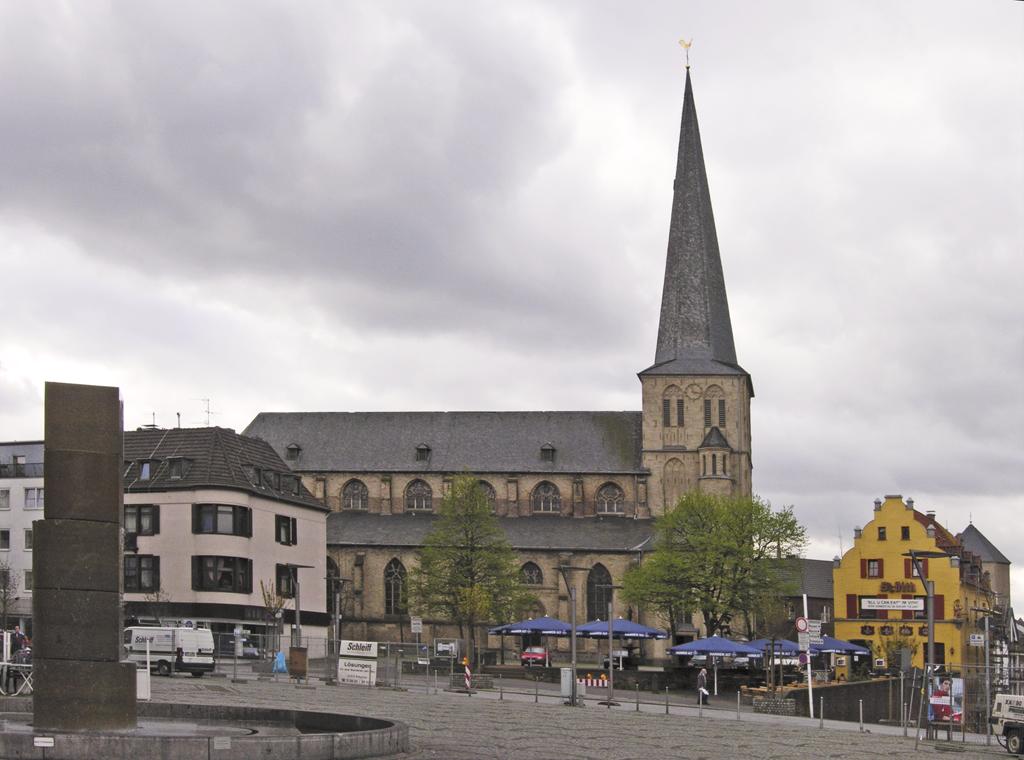
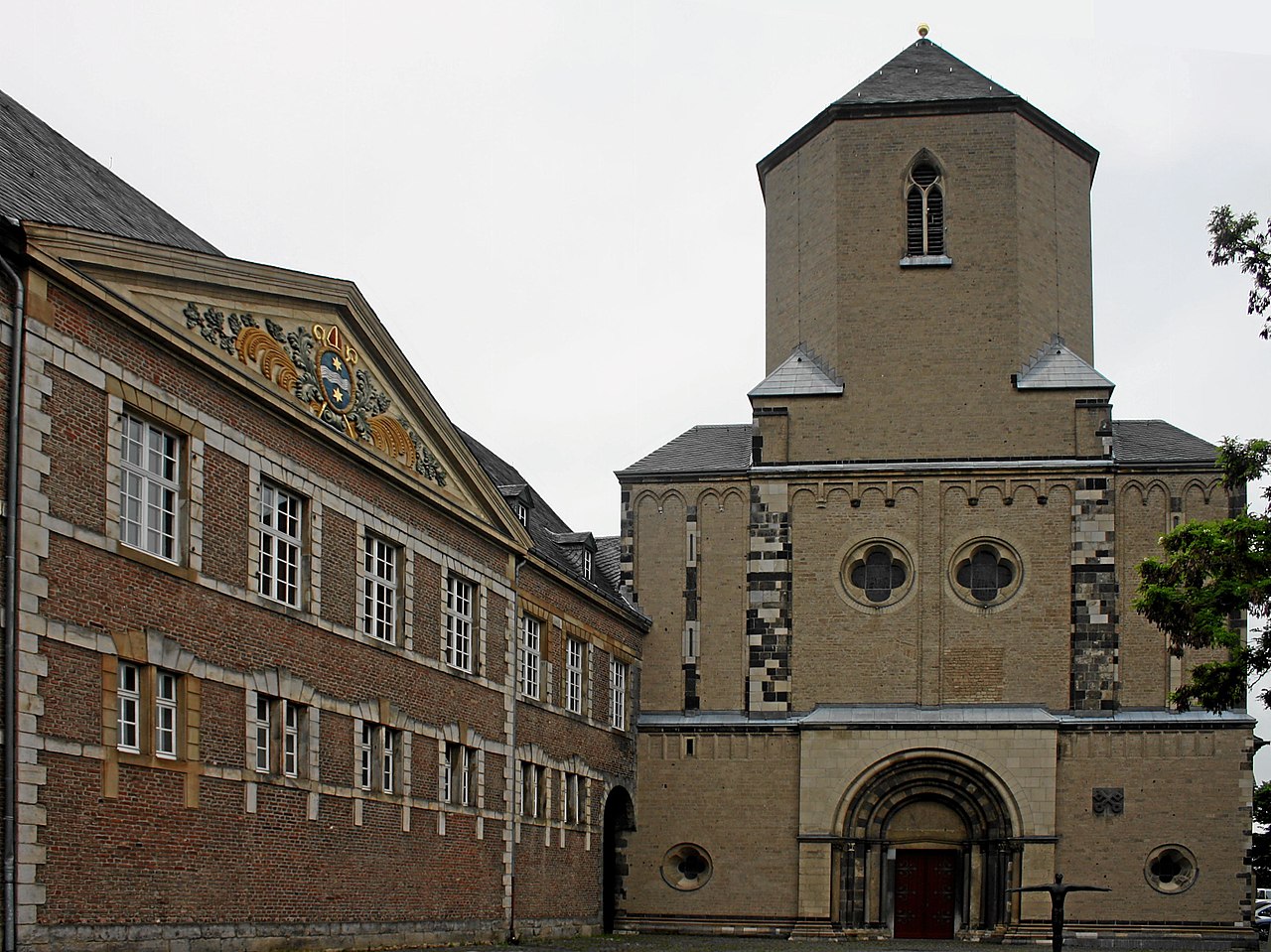
The place grew up around a medieval monastery on a small stream called the Gladbach; the element mönch (monk) refers to the early monastic community that gave the town its name. Over centuries the settlement evolved from a monastic site into a market town and then an industrial centre. In the 19th and early 20th centuries textile manufacturing and related trades shaped much of the local economy and urban fabric. Administrative changes in the 20th century incorporated neighbouring towns, producing the modern municipal boundaries; parts of the municipality such as Rheydt still retain distinct historic identities and notable architecture.
Geography and administration
Mönchengladbach lies within the state of North Rhine-Westphalia and is sometimes referred to in regional contexts that use the broader state or Lower Rhine labels (North Rhine-Westphalia is the relevant federal state). The city includes a mix of denser urban quarters and suburban zones, along with green corridors, parks and small woodland. Local government is responsible for services, cultural programming and urban planning at the municipal level.
Economy and transport
Historically shaped by textiles, the local economy has diversified into manufacturing, engineering, logistics, trade and services. Mönchengladbach benefits from good road and rail connections to other parts of the Rhine-Ruhr metropolitan area. Regional autobahns and mainline rail services link the city with Düsseldorf, Cologne and beyond; the nearest major international airport is in the Düsseldorf area. Local public transport and connectivity to neighbouring countries support daily commuting and cross-border exchange.
Culture, education and institutions
The city hosts museums, theatres and cultural institutions that reflect both its industrial past and contemporary art and music scenes. Educational institutions include vocational schools and other higher education connections within the region; local libraries, community centres and cultural associations contribute to civic life. Visitors can consult municipal and tourism pages for current programming and events.
Sport and identity
Sport plays a prominent role in local identity. The football club Borussia Mönchengladbach is among the city's best-known institutions and attracts strong local support and national attention. Stadium events and club history are often cited as defining elements of the city's modern public profile.
Landmarks and places of interest
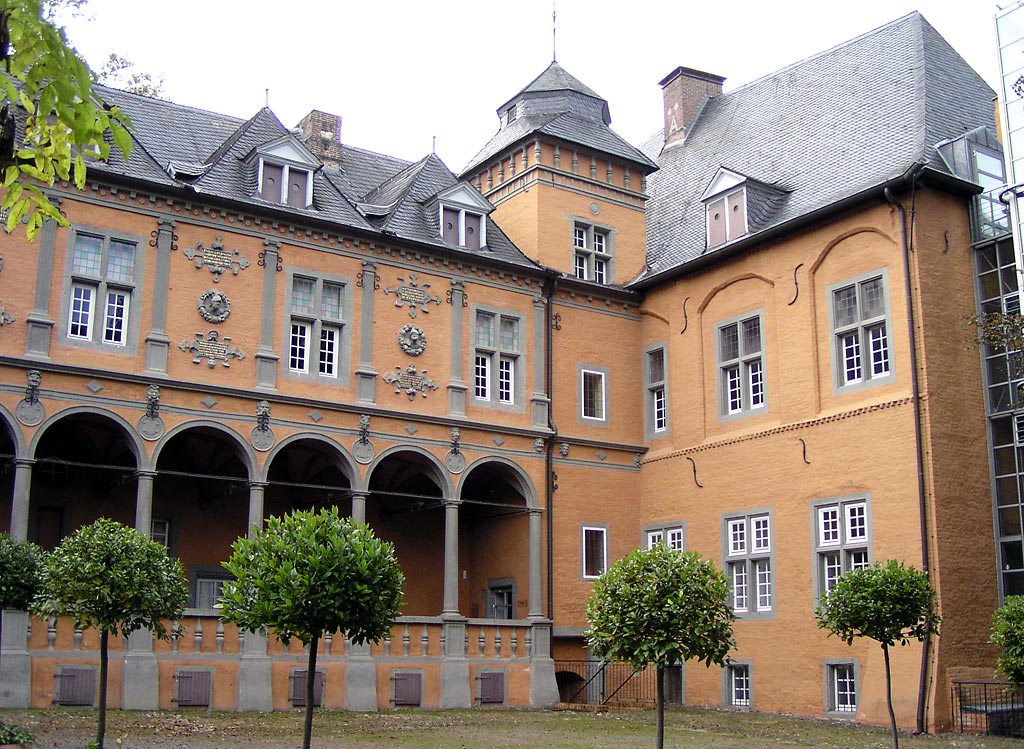
- Schloss Rheydt – a Renaissance palace in the Rheydt district, notable for its preservation and public access.
- Abteiberg Museum – a museum of modern and contemporary art in a distinctive postmodern building.
- Borussia-Park – the home ground of the city's football club and a focal point for sport-related tourism.
- Parks and Lower Rhine landscapes – a variety of green spaces and waterways that provide recreation and ecological value.
Practical information
For visitors and residents, municipal services and up-to-date transport timetables are provided by city authorities and regional operators. Historical or administrative databases sometimes use numeric identifiers for records; for example, archival or catalogue references may include identifiers such as '93536' in datasets or inventories. Official municipal and tourism resources remain the best source for current practical details.
Further reading and resources
Readers interested in more detailed and current information should consult municipal pages and dedicated cultural or travel guides. Official sources and regional overviews provide authoritative information on administration, events and services; search municipal and regional portals to find schedules, notices and contacts relevant to Mönchengladbach.
Related articles
Author
AlegsaOnline.com Mönchengladbach: City in the Lower Rhine region of North Rhine-Westphalia Leandro Alegsa
URL: https://en.alegsaonline.com/art/65978
Sources
- destatis.de : "Alle politisch selbständigen Gemeinden mit ausgewählten Merkmalen am 31.12.2018 (4. Quartal)" · web.archive.org
- destatis.de : destatis.de/DE/ZahlenFakten/LaenderRegionen/Regionales/Gemeindeverzeichnis/Administrativ/…
- commons.wikimedia.org : Mönchengladbach