
Revelstoke, British Columbia: mountain town, rail history, and outdoor recreation
Revelstoke is a mountain city in southeastern British Columbia known for rail history, heavy snowfall, hydroelectric power, and all-season outdoor recreation near national parks and ski resorts.
Overview
Revelstoke is a small city in southeastern British Columbia, Canada, situated in the Columbia River valley where steep mountain ranges rise above the town. It serves as a regional service centre for local residents, visitors and surrounding resource activities. Revelstoke lies several hundred kilometres east of the provincial coast and is linked to other communities by highway and rail. For municipal information see the city website or provincial resources at British Columbia government.
Image gallery
4 Images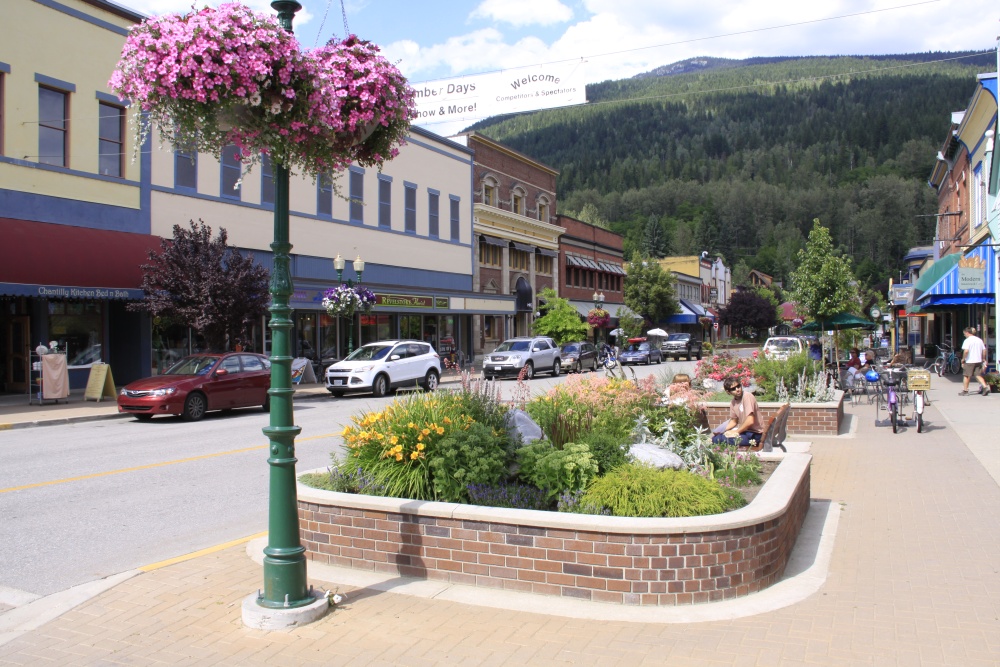


Geography and character
The town occupies a narrow corridor between mountain slopes and the Columbia River, giving it a compact urban footprint with extensive wilderness close at hand. Winters are long and snowy at higher elevations, creating conditions prized by skiers and snow sport operators. Nearby protected areas include Mount Revelstoke National Park and Glacier National Park, which provide alpine terrain, hiking and backcountry opportunities as well as scenic drives. More regional information is available from local tourism sources such as regional tourism pages.
History and development
Revelstoke developed in the late 19th century in association with the transcontinental railway. The Canadian Pacific Railway reached the area in the 1880s and the community grew as a service point for rail operations and for resource extraction. Early settlers and surveyors gave the place an initial name, and it was later renamed in honour of a British banking figure, reflecting the period ties between Canadian infrastructure finance and British capital. The railway's arrival shaped the town's layout, economy and long-term identity; historical rail links and heritage elements remain a visible part of the community. For background on the railway and local heritage see references such as railway histories.
Economy, recreation and infrastructure
Revelstoke's economy blends tourism, recreation, public services and energy. The area is home to a major hydroelectric installation on the Columbia River that contributed to regional power supplies and local employment. Recreational infrastructure — including downhill ski areas, lift-served terrain, heli-ski operators, mountain biking trails and backcountry access — attracts visitors year-round. One prominent ski development in recent decades expanded the town's winter destination profile and helped grow hospitality and guiding businesses. Outdoor visitors often consult regional guides and visitor bureaus such as tourism links when planning trips.
Population and community life
Although small by urban standards, Revelstoke supports schools, shops, cultural events and basic health and municipal services for residents and the surrounding rural population. Census figures from earlier decades recorded roughly seven thousand residents; population and municipal leadership have evolved since those counts. The community maintains festivals, museums and interpretive centres that celebrate local mountain culture, railway heritage and Indigenous histories.
Notable facts and distinctions
- Revelstoke is widely recognized for exceptional snowfall in the nearby high-altitude terrain; a historically notable winter recorded extreme accumulations on a local mountain, underscoring the area's reputation for deep powder.
- The city grew around the national railway corridor and retains a close association with rail transportation and related heritage.
- Hydroelectric development on the Columbia River is an important part of the local and provincial energy network, with associated infrastructure near the town.
For travel planning and practical details about accommodation, trails and events, consult regional authorities and official tourism resources such as visitor information and provincial park pages at park services. Additional historical material and archival records can be found through museum and library links like local archives.
Related articles
Author
AlegsaOnline.com Revelstoke, British Columbia: mountain town, rail history, and outdoor recreation Leandro Alegsa
URL: https://en.alegsaonline.com/art/82392
Sources
- www12.statcan.gc.ca : "Census subdivision of Revelstoke, CY - British Columbia"
- thestar.com : "The worst places in Canada for winter"