
Rey (Ray, Rhagae) — ancient city and district of Tehran, Iran
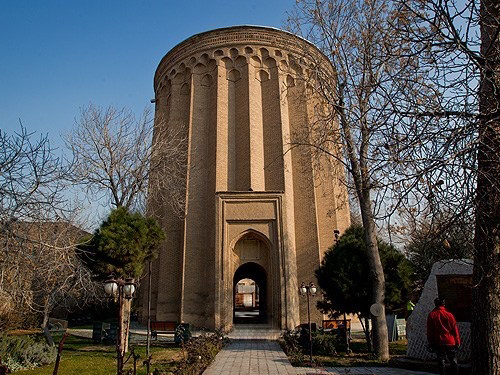
Rey (also Ray or Rhagae) is an ancient urban site now within Greater Tehran. It has continuous habitation since antiquity and notable monuments such as the Toghrol Tower and the Shah Abdol-Azim shrine.
Rey (also written Ray, Rhages or Rhagae) is one of Iran's oldest continuously inhabited settlements and today forms a historic district of Greater Tehran. The site is frequently called Shahr-e Rey in Persian sources and appears in classical geography under the Greek name Ῥάγαι (Rhágai). Archaeological evidence indicates human occupation on the Central Iranian Plateau from early prehistoric times, and the town became an important regional centre in antiquity and the medieval period.
Image gallery
10 Images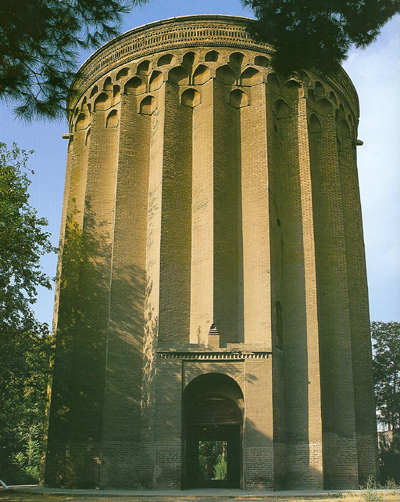



Historical overview
Archaeological layers at Rey record long-term settlement, with traces that scholars relate to Neolithic and Bronze Age communities on the plateau. In later antiquity the place gained prominence under Median, Achaemenid and subsequent imperial arrangements. Classical authors and later geographers called the city Rhagae and mention it in the context of Persian and Hellenistic geography. During the Parthian and Sasanian eras Rey remained a significant urban and military centre; after the Arab conquest it continued to be important in the Islamic period and medieval Persian court politics.
Principal monuments and urban character
Rey's historic fabric includes surviving monuments and archaeological remains. Notable sites and structures are listed below, many of which are visited for their architectural and religious significance.
- Toghrol (Tughrul) Tower — a brick funerary tower dating to the Seljuk period.
- Shah Abdol-Azim shrine — an important pilgrimage site and complex with religious buildings.
- Remnants of city walls, caravanserai foundations and medieval urban quarters reflecting Rey's role on regional routes.
Modern Rey and its role
In contemporary terms Rey has been incorporated into Greater Tehran and is connected to the metropolis by road and the Tehran Metro, carrying commuters and industry. The area mixes residential neighbourhoods, light manufacturing and historic districts; urban growth and infrastructure projects have altered but not erased its archaeological footprint. For administrative and cultural information consult regional guides and heritage resources such as Tehran province references.
Significance, distinctions and research
Rey's long continuous occupation makes it important for understanding settlement continuity on the Iranian plateau. It is frequently mentioned in discussions of pre-Median place-names and in accounts of ancient Iranian polities; classical writers recorded it under names that survive in medieval chronicles. Excavations and surveys continue to refine chronology and urban development: for up-to-date archaeological summaries see specialist publications and institutional reports available through national archives and research centres like Iranian cultural institutions and international partners such as academic repositories and project pages at research networks.
Note: This article summarizes widely accepted outlines of Rey's history and present status. For detailed archaeological data, inscriptions or chronologies consult primary excavation reports and peer-reviewed studies.
Related articles
Author
AlegsaOnline.com Rey (Ray, Rhagae) — ancient city and district of Tehran, Iran Leandro Alegsa
URL: https://en.alegsaonline.com/art/82437