
Baduhenna — Germanic war goddess attested by Tacitus
Baduhenna is a rarely attested Germanic war deity known from a single Roman source describing a sacred grove in Frisia and an episode in 28 CE in which Roman prisoners were killed.
Baduhenna is named in classical literature as a goddess associated with war among the early Germanic peoples. She is not part of a richly preserved myth cycle; instead, our knowledge rests almost entirely on a brief Roman reference. The deity is usually discussed within studies of Germanic paganism and local cult practices rather than as part of a pan-Germanic pantheon.
Image gallery
1 Image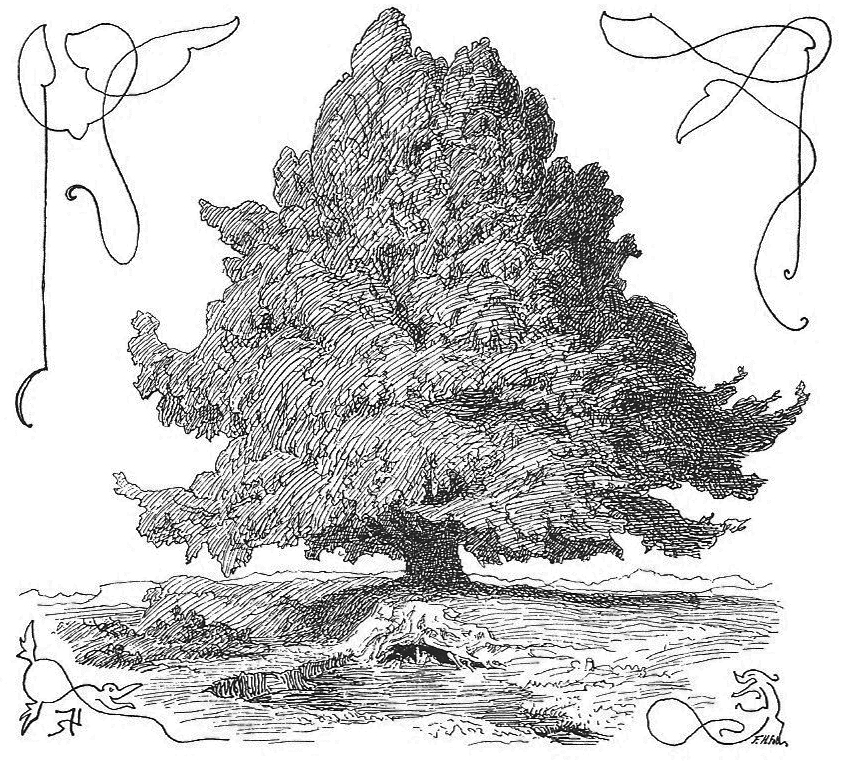
Primary attestation
The only explicit mention of Baduhenna appears in Tacitus' Annals, where he reports a shrine or grove dedicated to her in northwestern Europe. Tacitus connects the site with a violent episode in which about nine hundred Roman prisoners were killed near the grove in Frisia. The event is conventionally dated to 28 CE, though Tacitus provides few local details or ritual descriptions.
Name and scholarly suggestions
The name Baduhenna has attracted philological attention. Scholars cautiously link its first element to a Proto-Germanic root related to battle (often cited as badu- or *bathu-), which would suit a war-associated goddess. The second element is less certain; attempts to parse it as a feminine suffix or a local word have not reached consensus. Because the evidence is so limited, etymological proposals remain tentative.
Groves and practice
Native Germanic religion frequently used natural spaces, especially groves, as sacred places rather than built temples. Groves served as locations for oaths, offerings, and communal rites. In the case of Baduhenna, Tacitus' brief remark implies a consecrated landscape feature tied to martial events, but no direct archaeological trace can be linked to her cult with certainty.
The wider historical context involves frequent tensions along Roman frontiers and periodic clashes with Frisian groups. The single literary reference has ensured that Baduhenna is treated more as a historical glimpse into local cultic naming and the religious framing of conflict than as a fully documented deity with surviving myths.
Significance and modern reception
- Baduhenna illustrates how Roman authors recorded indigenous deities and sacred sites.
- The goddess is a reminder of the prominence of sacred groves in Germanic religion and the symbolic link between warfare and divine favor.
- Because she is attested only once, Baduhenna's actual cult, attributes, and later influence are largely a matter of scholarly interpretation rather than direct evidence.
Related articles
Author
AlegsaOnline.com Baduhenna — Germanic war goddess attested by Tacitus Leandro Alegsa
URL: https://en.alegsaonline.com/art/8231