
Respect Party (Respect – The Unity Coalition)
British left-wing party founded 2004, linked to the anti‑Iraq War movement; led by George Galloway, elected MPs in 2005 and 2012, dissolved in 2016. Known for its RESPECT acronym and community alliances.
Overview: The Respect Party, formally Respect – The Unity Coalition, was a left‑wing political organisation in the United Kingdom founded on 25 January 2004 in London. It grew out of the large anti‑war protests of the early 2000s and brought together activists from socialist, community and trade union movements. The party is commonly referred to simply as Respect and operated within the British political scene until it was formally wound up in August 2016. It was mainly associated with grassroots campaigning and an oppositional stance to the Iraq War and mainstream New Labour policies. United Kingdom contexts and local campaigns shaped much of its activity, with organisational roots traced to meetings in London.
Image gallery
7 Images


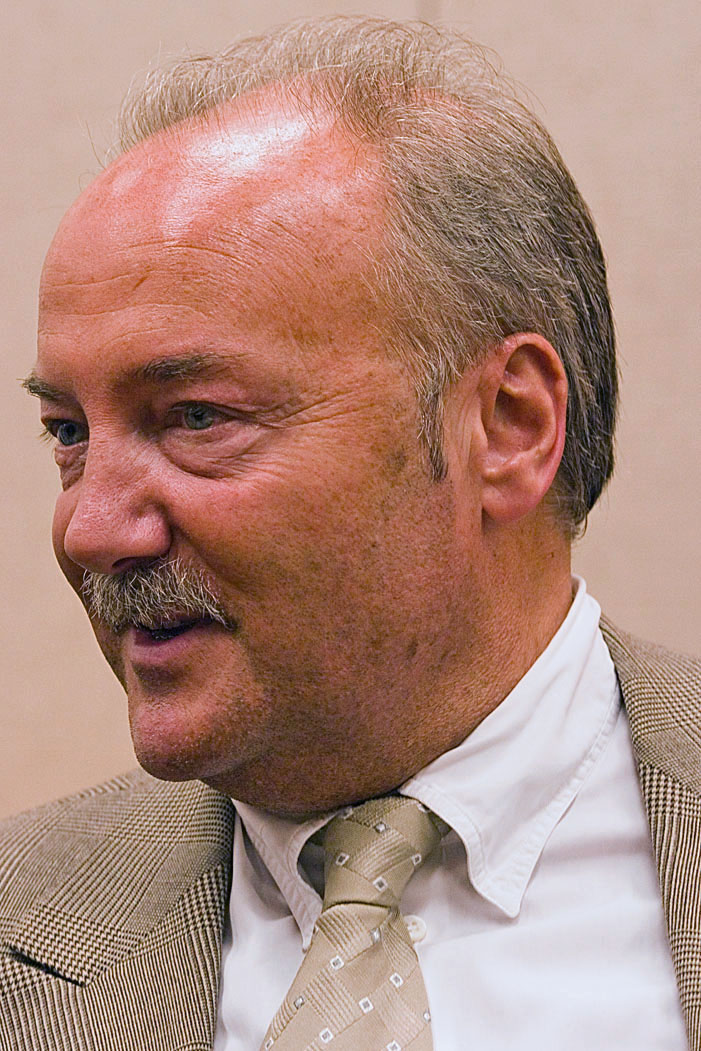



Identity and platform
Respect was built around a compact set of policy priorities and community alliances. Its name was also an acronym intended to summarise those values: RESPECT—Respect; Social equality; Socialism; Peace; Environmentalism; Community; and Trade unionism. In practice the party emphasised anti‑war foreign policy, economic redistribution, civil liberties and close ties with local communities, including minority and faith groups.
Electoral history and organisation
Respect had limited but visible electoral successes. Its best known figure, George Galloway, became the party's most prominent representative in Parliament and served as its public leader during much of its existence. Galloway first took a parliamentary seat as an anti‑war candidate in the mid‑2000s and later won a high‑profile by‑election in 2012, events that brought Respect national attention. The party also won seats on local councils in parts of London and other cities and contested general and local elections with varying results.
Internal dynamics and controversies
From early on Respect experienced internal disagreements over strategy, organisation and alliances. Tensions between different factions—those prioritising electoral growth, those emphasising movement activism, and those focused on particular community partnerships—led to splits and reorganisations. Critics on the political right and centre questioned some of the party's alliances and rhetoric, while supporters argued it offered an important voice for anti‑war and working‑class politics.
Legacy and significance
Although it never became a major electoral force, Respect influenced debates on the British left by demonstrating the potential of cross‑community organising around anti‑war, social justice and trade union issues. Its formation highlighted the political impact of the 2003 protest movement and showed how local campaigning can translate into parliamentary victories under particular conditions. The party's formal dissolution in August 2016 closed a chapter of small‑party politics that had briefly reshaped parts of the UK left.
- Founding: 25 January 2004, London (location).
- Acronym meaning: RESPECT shorthand for core values.
- Notable leader: George Galloway.
- Dissolution: August 2016.
Related articles
Author
AlegsaOnline.com Respect Party (Respect – The Unity Coalition) Leandro Alegsa
URL: https://en.alegsaonline.com/art/82302