
Results of the 2016 Republican Party presidential primaries
Summary and analysis of the 2016 Republican presidential primaries: process, key contests, major candidates, how delegates were allocated, final outcome, and notable impacts.
The 2016 Republican Party presidential primaries selected the party's nominee for the 2016 United States presidential election. The sequence of state contests — a mix of primaries and caucuses held between early February and June 2016 — determined how delegates would be pledged to candidates for the Republican National Convention. The process culminated in Donald Trump becoming the party's presumptive nominee in May 2016 and being formally nominated at the convention in July.
Image gallery
10 Images


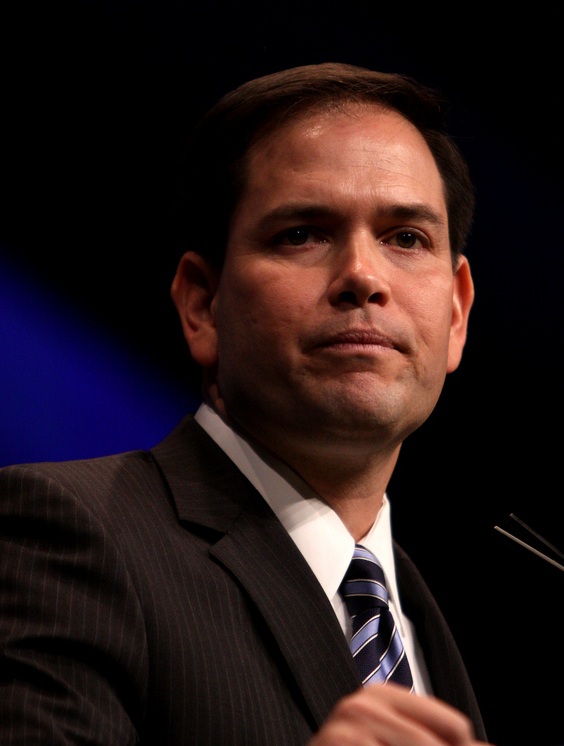
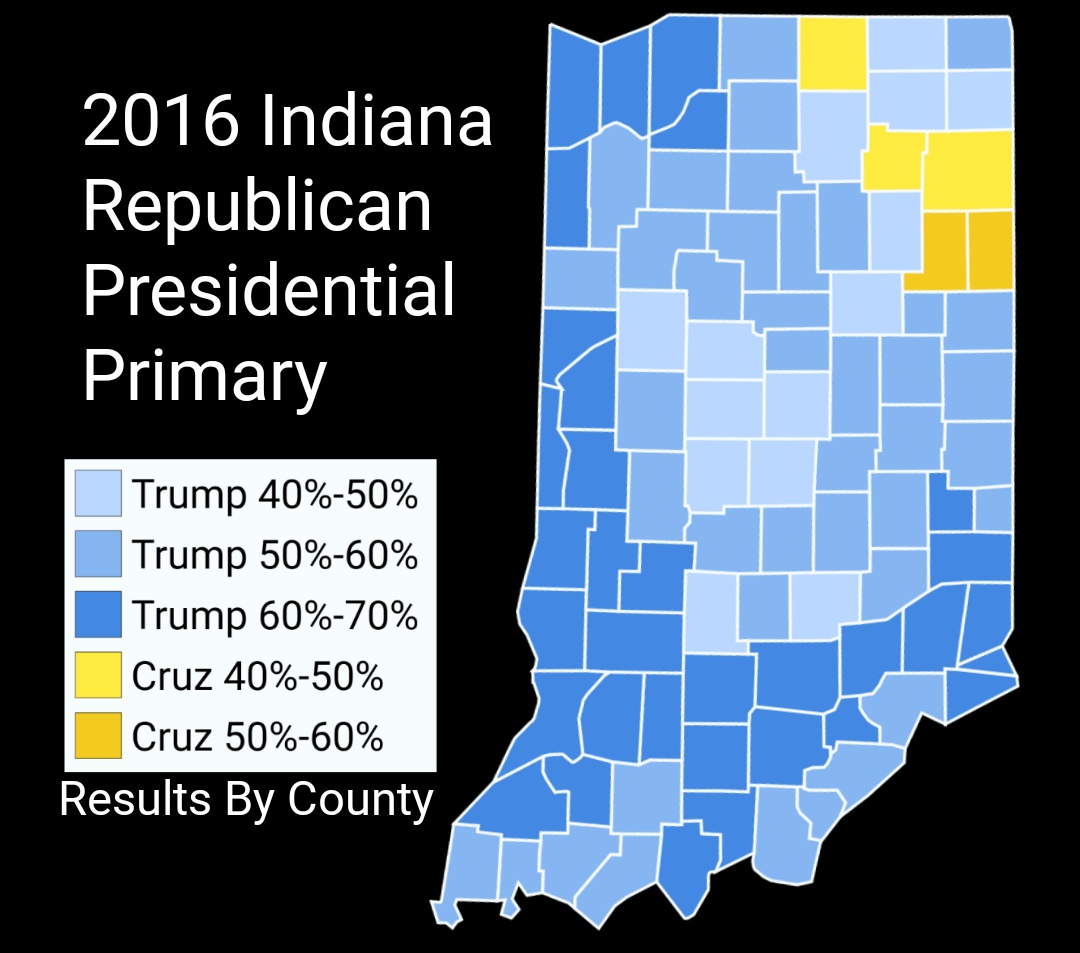


How the primary process worked
Republican contests allocate delegates to candidates using rules set by state parties and the national committee. Some states used winner-take-all rules, others allocated delegates proportionally, and many used hybrid methods. Contests could be closed (only registered party members), open (any registered voter), or semi-open. Delegates chosen in each state attended the Republican National Convention to cast votes that normally reflect the primary or caucus outcome.
Major candidates and timeline
The 2016 Republican field began unusually large for a modern primary, featuring a mix of long-time officeholders and political newcomers. Prominent contenders included Donald Trump, Ted Cruz, Marco Rubio, John Kasich, Jeb Bush, Ben Carson and several others. The calendar opened with the Iowa caucuses on February 1, 2016 and included a series of early-state contests that shaped momentum: Iowa, New Hampshire, South Carolina and the diverse set of contests on Super Tuesday. Over successive contests many candidates suspended their campaigns as delegate math and fundraising narrowed the race.
Key results and outcome
- Donald Trump emerged as the leading vote-getter across many states and secured a majority of the pledged delegates needed to be the party's nominee. He became the only active major candidate after other rivals suspended their campaigns in early May; his status as presumptive nominee was widely covered on May 4, 2016.
- Ted Cruz was the principal conservative alternative and won several contests, while Marco Rubio and John Kasich each won notable states and delegates before ending their campaigns. Many long-shot and establishment candidates left the race after early defeats.
- Delegates were formally cast and the nomination was confirmed at the Republican National Convention held in July 2016, where the party adopted its platform and officially nominated Trump for the general election.
Notable features and significance
The 2016 Republican primaries attracted attention for several reasons: the large and ideologically diverse candidate field, the strong performance of an outsider candidate who had not previously held elected office at the federal or statewide level, and the role of state-by-state delegate rules in shaping the contest. The mix of winner-take-all and proportional systems magnified early victories, allowing momentum to build quickly for the front-runner. The outcome reshaped the party's nomination process and had lasting effects on Republican campaign strategy.
For additional context and detailed state-by-state results, see the overview of the 2016 Republican primaries, the broader Republican Party information, and coverage of the 2016 Republican National Convention. The 2016 primary calendar and individual contest pages (for example, Iowa and other early states) provide granular vote totals and delegate allocations. Key candidate biographies and campaign timelines are available in summaries of Donald Trump and his opponents, and general guides to the nomination process can be found via primary overviews and election guides here and here.
Ultimately, the primary season produced a nominee who went on to win the general election on November 8, 2016. The 2016 Republican primaries remain a widely studied example of how modern nomination contests can be shaped by early-state dynamics, media coverage, and the interplay of different delegate allocation rules.
Questions and answers
Q: What is the article about?
A: The article is about the results of the 2016 Republican Party presidential primaries.
Q: What is the Republican Party presidential primary?
A: The Republican Party presidential primary is a process of choosing delegates, or people that represent someone, to go to the 2016 Republican National Convention.
Q: How do people vote for candidates in the Republican Party presidential primary?
A: People in each state will vote on who they think will be good for the presidency, and each candidate gets a certain amount of delegates based on the number of votes they receive.
Q: When did the 2016 Republican Party presidential primaries begin?
A: The primaries began on 1 February 2016 in Iowa.
Q: Who became the only candidate left in the race on May 4, 2016?
A: Donald Trump became the only candidate left in the race on May 4, 2016.
Q: When did Donald Trump become the official Republican nominee?
A: Donald Trump became the official Republican nominee on July 19, 2016.
Q: When did Trump win the presidency?
A: Trump won the presidency on November 8, 2016.
Related articles
Author
AlegsaOnline.com Results of the 2016 Republican Party presidential primaries Leandro Alegsa
URL: https://en.alegsaonline.com/art/82329
Sources
- cnn.com : "Iowa caucuses: Ted Cruz wins; Clinton declares victory"
- cnn.com : "First on CNN: Kasich 'doing the right thing' by dropping out, Trump says"
- washingtonpost.com : "John Kasich exits the presidential race, leaving Trump as presumptive nominee"
- huffingtonpost.com : "Donald Trump Formally Nominated For President"
- nytimes.com : "Donald Trump Is Elected President in Stunning Repudiation of the Establishment"
- ballotpedia.org : "Presidential candidates, 2016"
- washingtonpost.com : "Jeb Bush drops out of 2016 presidential campaign"
- cnn.com : "Ben Carson ends campaign, will lead Christian voter group"
- cnn.com : "Chris Christie suspends campaign"
- cbsnews.com : "Ted Cruz drops out of presidential race after Indiana loss"
- nytimes.com : "Carly Fiorina Drops Out of Republican Presidential Race"
- usatoday.com : "Jim Gilmore drops out of GOP presidential race"
- politico.com : "Lindsey Graham drops out of presidential race"
- politico.com : "Mike Huckabee suspends his 2016 campaign"
- politico.com : "Bobby Jindal drops out of White House race"