
Reptiliomorpha — early tetrapods on the amniote stem
Reptiliomorpha are tetrapods more closely related to amniotes than to living amphibians. The group is variably defined and includes several terrestrial, egg‑laying lineages important in the origin of reptiles and mammals.
Overview
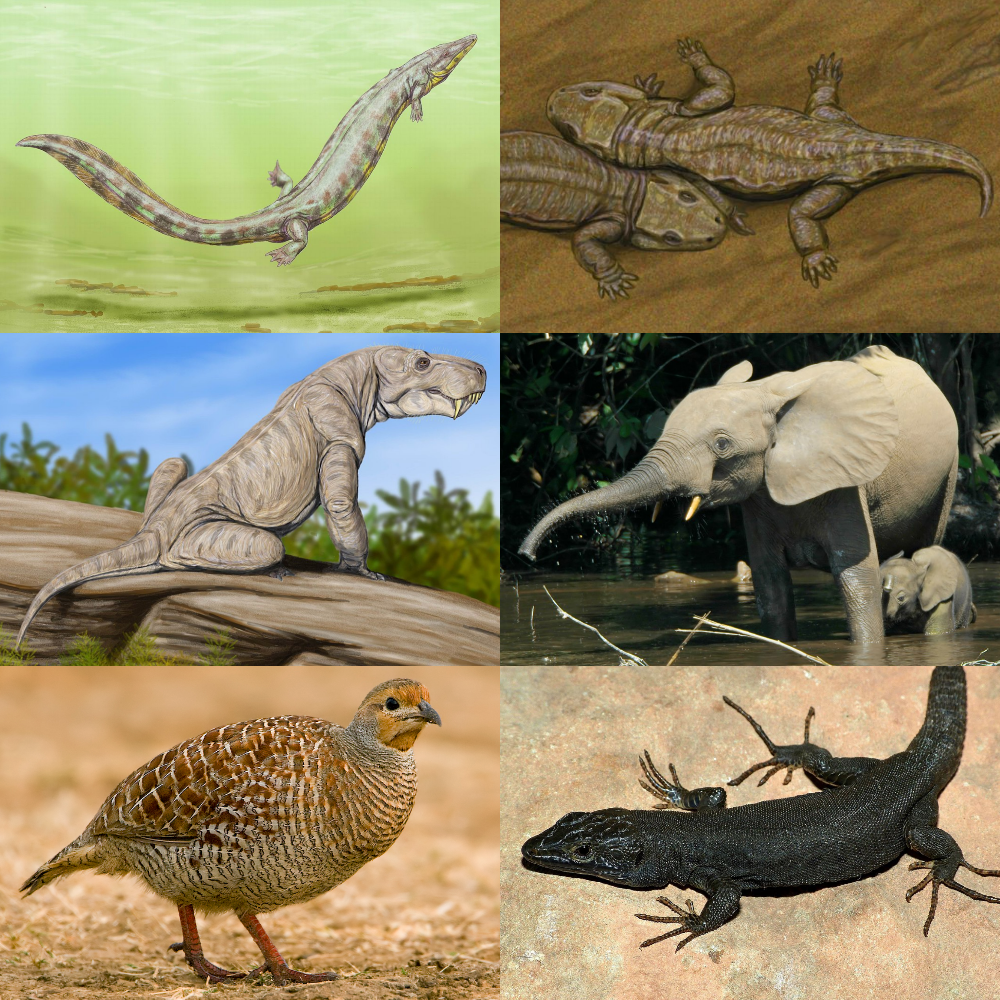
Reptiliomorpha is a term used for a collection of fossil tetrapods that are more closely related to amniotes (the clade including reptiles, birds and mammals) than they are to modern amphibians (the lissamphibians). In practice the name covers a spectrum of stem‑amniote animals that show a mixture of amphibian‑like and amniote‑like features. Because of historical and methodological differences among researchers, the exact scope of Reptiliomorpha varies between authors.
Image gallery
10 Images



Key characteristics
Members of this assemblage tend to exhibit traits associated with a more fully terrestrial way of life than typical early amphibians. Common features noted by paleontologists include relatively robust limbs and girdles, skeletal modifications for weight bearing, and skull characters that approach those of early amniotes. Some groups show evidence of reproductive strategies less tied to water, such as structures consistent with internal fertilization or eggs that do not require an aquatic environment, including the cleidoic egg concept historically used to distinguish amniotes from other tetrapods (cleidoic egg).
History of the concept
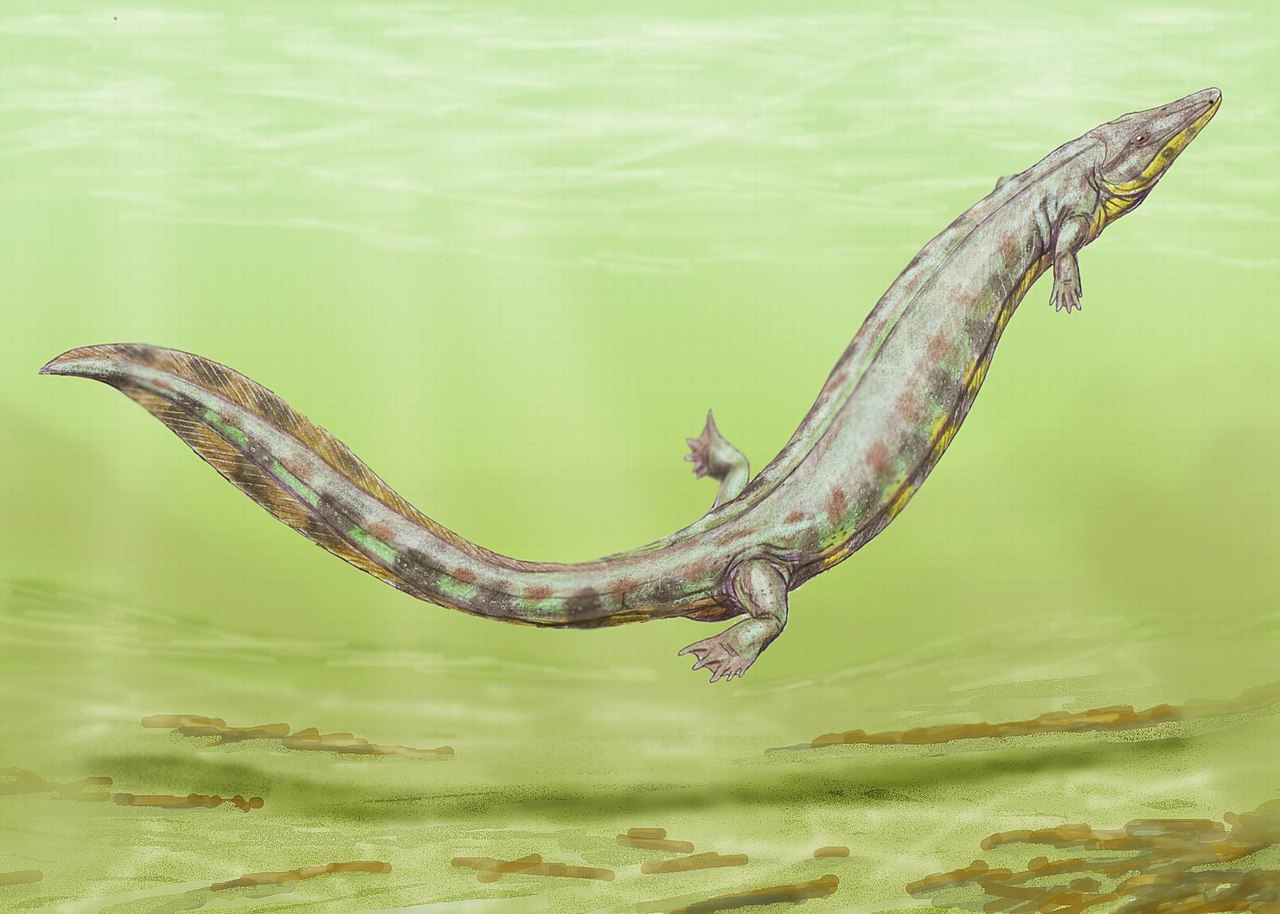
The name Reptiliomorpha emerged as researchers tried to classify fossils that were clearly closer to reptiles than to living frogs or salamanders but lacked all defining features of true amniotes. Over time the label has been applied in different ways: sometimes narrowly to a few lineages, and at other times broadly to a paraphyletic grade of stem amniotes. Classic examples long discussed in this context include Seymouria and other Permo‑Carboniferous forms that bridge amphibian and amniote morphologies.
Important examples and their significance
- Seymouriamorphs and diadectomorphs — well‑known fossils often cited as showing a sequence of terrestrial adaptations.
- Various Carboniferous and Permian taxa that illuminate the anatomical steps toward the amniote condition, including changes in vertebrae, limb posture, and skull roofing bones.
These taxa are important because they record the evolutionary transitions that led to the two great amniote lineages: the sauropsids (reptiles and birds) and the synapsids (mammal lineage). Understanding reptiliomorphs helps reconstruct how fully terrestrial reproduction and locomotion evolved.
Taxonomic issues and modern practice
Because Reptiliomorpha can be defined in several ways, some paleontologists prefer more precise clade names tied to explicit nodes or shared derived characters. The practical value of the traditional term is that it groups fossils that are unambiguously on the amniote side of the amphibian–amniote split but are not yet assignable to crown‑amniote clades. Where possible, researchers now place specimens into narrower groups using cladistic analyses rather than relying on the catch‑all label.
Notable facts and further reading
The distinction between modern amphibians and these stem‑amniotes remains a central question in vertebrate evolution. For background on living amphibian relationships see resources about lissamphibians. For historical discussions of the cleidoic egg and amniote origins see general surveys of early terrestrial vertebrates (cleidoic egg, Seymouria).
Reptiliomorpha remains a useful concept for summarizing a critical phase in tetrapod history: the shift from water‑dependent life cycles toward fully terrestrial lineages that ultimately gave rise to modern reptiles and mammals.
Related articles
Author
AlegsaOnline.com Reptiliomorpha — early tetrapods on the amniote stem Leandro Alegsa
URL: https://en.alegsaonline.com/art/82222