
Redonda — uninhabited Caribbean islet of Antigua and Barbuda
Redonda is a small, uninhabited rocky islet of Antigua and Barbuda in the eastern Caribbean, noted for steep cliffs, seabird colonies, feral goats and a literary “kingdom” myth; it has attracted conservation attention.
Overview
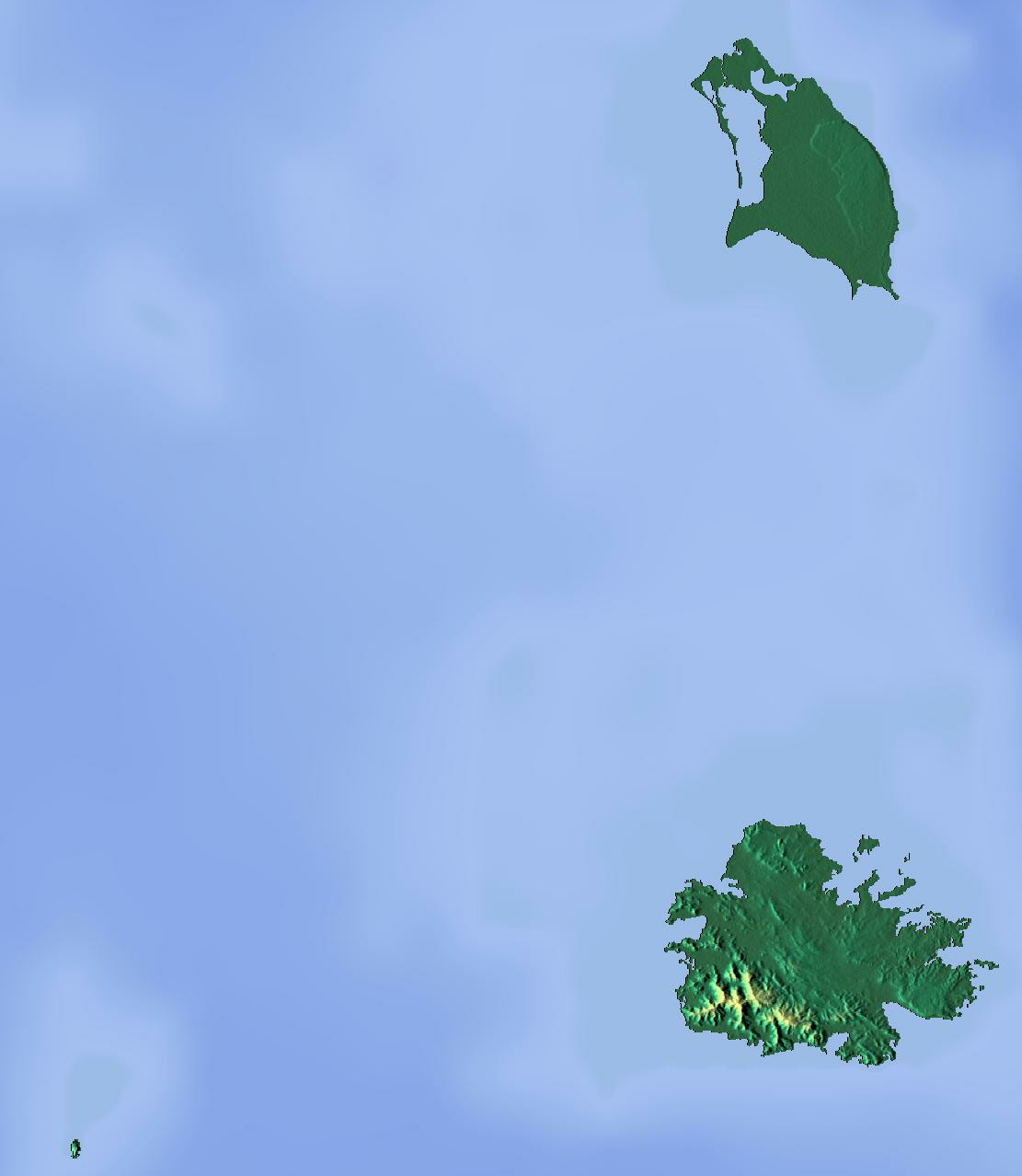
Redonda is a tiny, uninhabited islet in the eastern Caribbean. Politically it belongs to the state of Antigua and Barbuda. The rock lies roughly southwest of the main island of Antigua and occupies a position among other volcanic islands of the region, close to Nevis and Montserrat. Because it is virtually all exposed rock and has no permanent fresh water, there are no permanent residents and visits are infrequent.
Image gallery
10 Images



Geography and geology
Redonda appears as a single, steep-sided mass rising directly from the sea. Geologically it is the remnant of an eroded volcanic core; waves and weather have removed much of the original cone and left a rocky ridge with sheer cliffs along much of its shoreline. Small patches of shallow soil occur on the summit and ledges, supporting sparse vegetation adapted to salt spray and thin ground. Rain is the only practical source of fresh water.
Ecology and wildlife
The islet supports colonies of seabirds and other fauna that can tolerate exposed coastal conditions. Human arrivals over centuries introduced non-native mammals such as goats; these feral animals grazed the limited vegetation and affected nesting habitat for birds. In recent decades Redonda has been the subject of conservation interest aimed at reducing invasive species and encouraging recovery of native seabird populations.
Human history and cultural notes
Redonda has not supported permanent human settlement because of its isolation, steep approaches and lack of water. Sailors and fishermen traditionally visited to take goats or collect seabird eggs, and the presence of introduced animals reflects that maritime use. The islet is also known as the setting for a whimsical literary tradition in which authors have styled it a tiny "kingdom"; this remains a cultural curiosity rather than any formal political entity.
Access, management and conservation
Landing on Redonda is difficult and often dangerous because of cliffs and rough seas, so most human activity is limited to occasional scientific or conservation visits. Management responsibility rests with the national authorities of Antigua and Barbuda, sometimes in partnership with regional and international conservation organisations. Efforts have focused on controlling invasive mammals, protecting seabird breeding sites and restoring native vegetation where feasible.
Key characteristics
- Uninhabited rocky islet with steep cliffs and limited soil cover.
- Part of the eastern Caribbean region and the national territory of Antigua and Barbuda.
- Located among volcanic islands, near Antigua, Nevis and Montserrat.
- Wildlife dominated by seabirds; historical presence of feral goats and other introduced species.
- Famous in literary circles for a playful micronational "kingdom" tradition rather than any formal sovereignty.
For authoritative maps, ecological surveys and management plans consult official publications and regional biodiversity programmes referenced by the government of Antigua and Barbuda and by scientific partners working in the Caribbean region. Short regional guides and conservation reports also note Redonda’s physical position between islands such as Antigua, Nevis and Montserrat, and detail past and ongoing restoration efforts.
Related articles
Author
AlegsaOnline.com Redonda — uninhabited Caribbean islet of Antigua and Barbuda Leandro Alegsa
URL: https://en.alegsaonline.com/art/81750
Sources
- ab.gov.ag : Government of Antigua and Barbuda Constitution
- tools.wmflabs.org : 16°56′20″N 62°20′30″W / 16.93889°N 62.34167°W / 16.93889; -62.34167