
Redd Foxx (John Elroy Sanford): comedian, actor, and cultural influence (1922–1991)
Profile of Redd Foxx — his life, comedic style, major roles including Fred Sanford, career milestones, influence on stand-up comedy, and lasting cultural significance.
Overview
Redd Foxx (born John Elroy Sanford; December 9, 1922 – October 11, 1991) was an American stand-up comedian and actor best known for his blunt, often profane comedy and for starring as Fred Sanford on the television sitcom Sanford and Son. Rising from nightclub work on the African American entertainment circuit to mainstream television and film, Foxx became one of the most recognizable comic figures of the mid-to-late twentieth century. His life and work helped broaden the visibility of Black performers in television and influenced generations of comedians who followed.
Image gallery
3 Images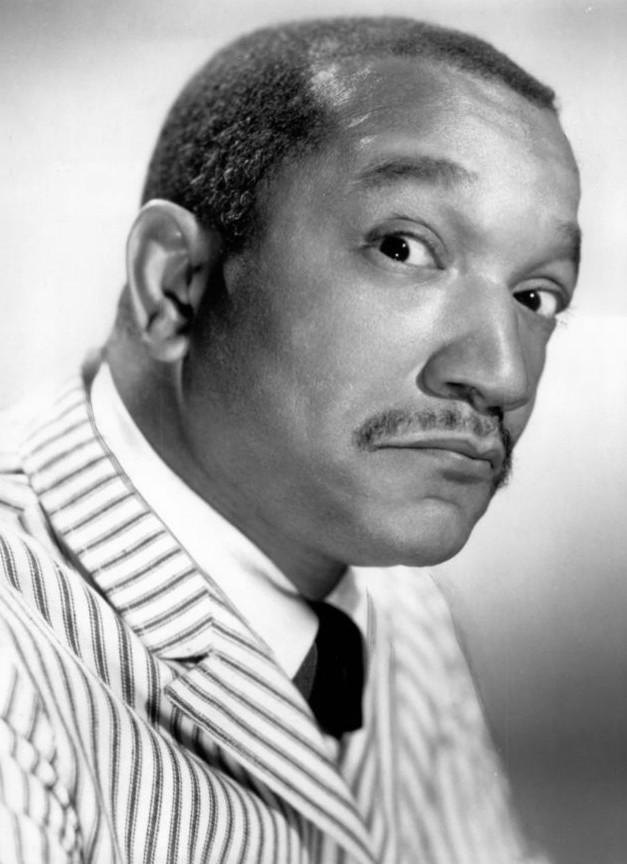


Early life and rise to comedy
Born in St. Louis, Missouri, Foxx left home as a teenager and performed in local clubs before moving to larger urban venues. He worked extensively on what became known as the "chitlin' circuit," a network of clubs, theaters, and venues that presented Black entertainers for Black audiences during segregation. In those settings he developed a stage persona built on rapid timing, improvisation, and a no-holds-barred approach to subject matter. He adopted the stage name Redd Foxx by combining a personal nickname with the surname of a prominent baseball player, and he polished his act through countless nightclub performances.
Style, material, and recordings
Foxx was widely associated with "blue" or adult-oriented comedy: routines that used frank sexual language, profanity, and stories drawn from street life. While this material limited his early mainstream exposure, it made him a major draw in clubs and among record buyers. Throughout the 1950s and 1960s he released comedy albums and built a reputation for unfiltered storytelling and timing that could shift from broad physical gags to razor-sharp one-liners. His approach emphasized improvisation, direct audience address, exaggerated characters, and a willingness to push cultural taboos of the era.
Television and film career
Foxx's breakthrough into film and television came after years on stage. He appeared in motion pictures that brought him to wider notice and led to a television offer that changed his public profile. In the early 1970s he was cast in a sitcom produced and developed from a British concept; the American version, titled Sanford and Son, paired Foxx with a younger actor as his long-suffering son. The show, set in the Watts neighborhood of Los Angeles, mixed situational humor with the comedic chemistry between the two leads and ran for multiple seasons. It brought Foxx into households nationwide and made his character, Fred Sanford, an enduring figure of televised comedy.
Notable works and collaborations
- Sanford and Son — signature television role that established Foxx as a major television star.
- Stand-up albums and nightclub recordings — captured his blue comedy and preserved routines that influenced other comedians.
- Feature films — performances in movies expanded his audience beyond live clubs and television.
- Later television projects — Foxx led additional series and specials, and returned to high-profile movie roles toward the end of his career.
Later years and death
After Sanford and Son, Foxx headlined other television series and continued to perform live, including engagements in Las Vegas and on television variety programs. Near the end of his career he appeared alongside younger stars in major studio pictures, demonstrating his continued appeal across generations. Foxx died suddenly of a heart attack while actively working on a sitcom project in Los Angeles. His death brought immediate reflection on his contributions to comedy and television.
Influence, distinctions, and legacy
Redd Foxx is remembered for several interlocking contributions: he brought an uncompromising, adult-oriented voice to stand-up at a time when such material remained largely confined to clubs; he became one of the few Black actors of his era to lead a popular network sitcom and thereby opened doors for subsequent performers; and he served as a formative influence on later comedians who combined incisive social observation with personal storytelling. Critics and historians note his role in normalizing the presence of Black characters and humor on national television, while popular audiences recall a comic who could be both caustic and endearing.
Characteristics and notable facts
- Stage persona: brash, fast-paced, often improvisational and willing to challenge social taboos.
- Career arc: nightclub staple to recording artist to television and film star.
- Cultural impact: a bridge figure between mid-century nightclub comedy and later mainstream stand-up that embraced adult themes.
- Network presence: one of the relatively small number of performers to headline series on multiple major networks during his career.
For further reading about his television work and discography, see entries that focus on his sitcoms and recorded comedy television and films. Background on his early life and hometown may be found through biographical sources that discuss his time in St. Louis. Contemporary accounts of his death and final years are archived in coverage noting his passing in Los Angeles and the official cause described as a heart attack.
Related articles
Author
AlegsaOnline.com Redd Foxx (John Elroy Sanford): comedian, actor, and cultural influence (1922–1991) Leandro Alegsa
URL: https://en.alegsaonline.com/art/81725