
Redmond Barry (1813–1880): judge, institution builder, and controversial figure
Irish-born judge in colonial Victoria noted for helping found the University of Melbourne and the State Library of Victoria and for presiding over high-profile trials including Ned Kelly.
Redmond Barry (1813–1880) was an Irish-born jurist and public figure in colonial Victoria, Australia. He became widely known for his advocacy of cultural and educational institutions as well as for the high-profile criminal trials over which he presided. His name is associated with both the founding of major civic institutions and with legal decisions that continue to provoke debate.
Image gallery
8 Images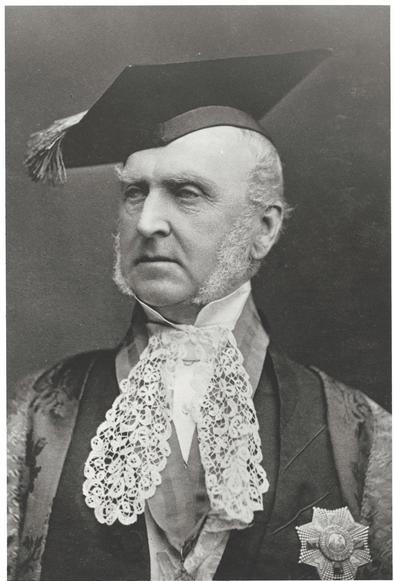



Career and public role
Trained in law, Barry served as a judge in the Supreme Court of Victoria during a formative period of colonial government. Active in public life in Australia, he combined judicial duties with a strong interest in civic improvement. He used his position and influence to promote the creation of institutions intended to support learning, research and public access to books and ideas.
Founding cultural and educational institutions
Barry is often credited with playing a leading role in establishing the University of Melbourne and in the development of what became the State Library of Victoria. He advocated for public collections, organized efforts to assemble books and materials, and supported legislation and committees that turned private subscriptions and collections into public resources. These contributions helped shape Melbourne’s civic and intellectual life in the 19th century.
As an institutional founder he combined administrative skill with a belief in the social value of education and libraries. His work helped provide long-term infrastructure for scholarship, professional training and civic engagement in the colony.
Notable trials and controversies
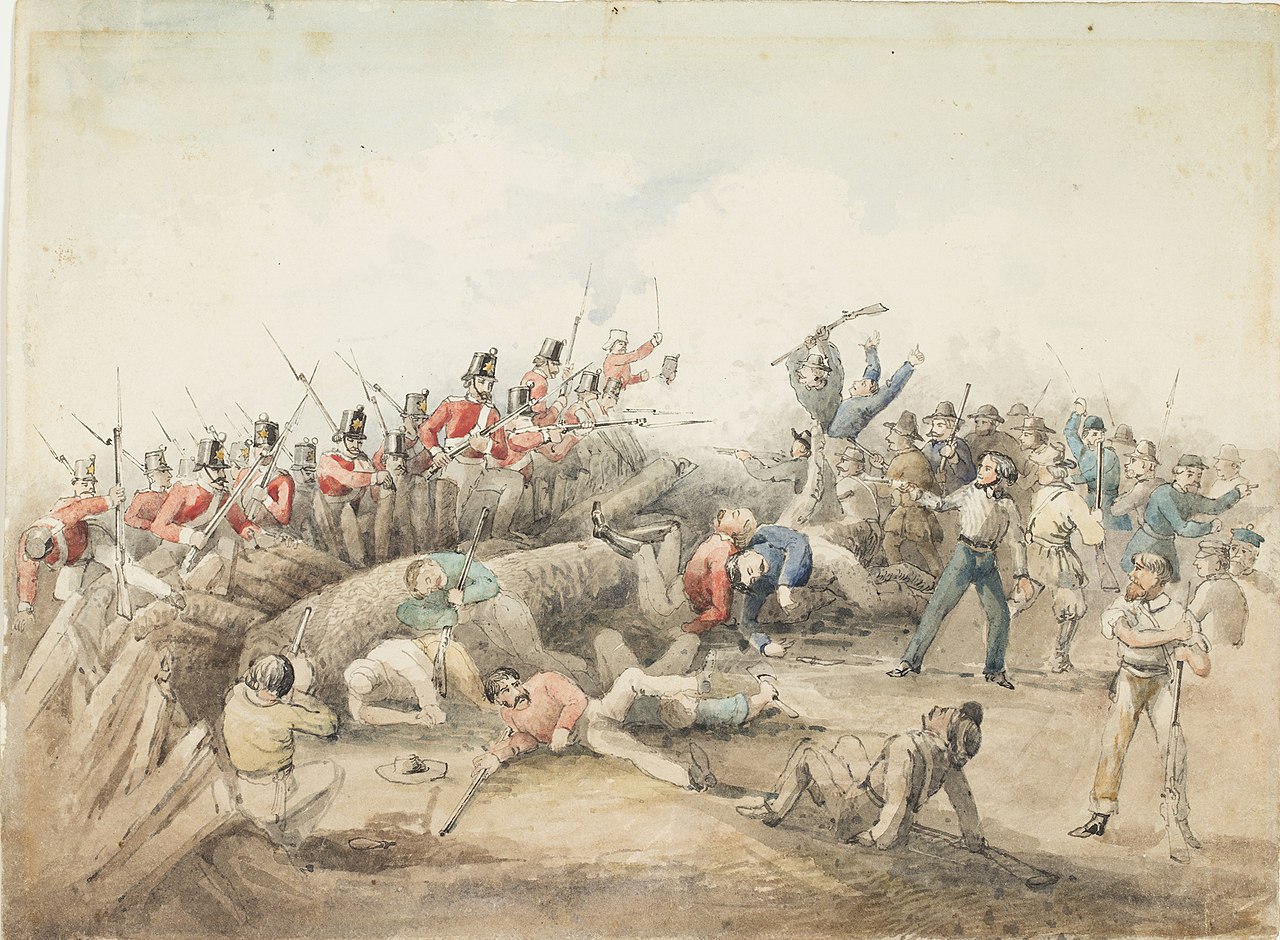
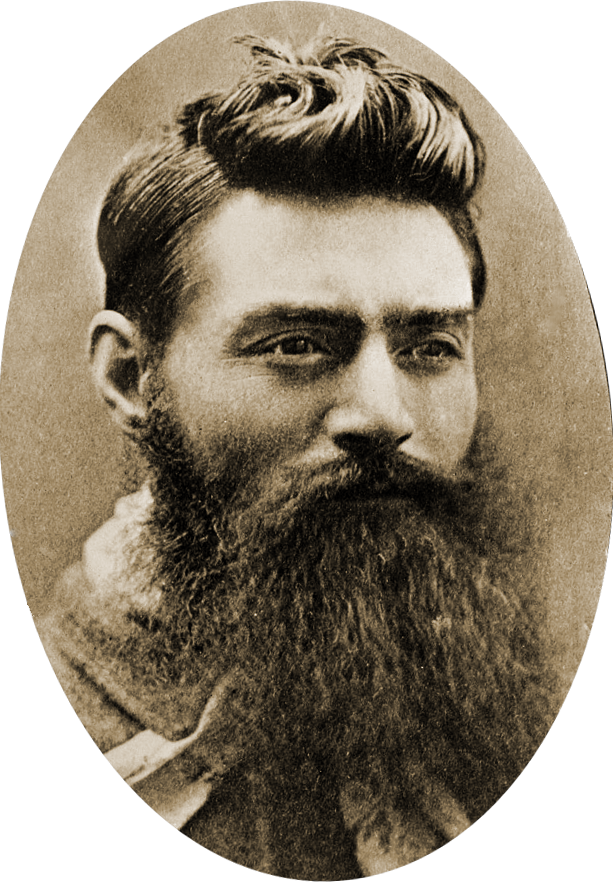
In his judicial capacity Barry presided over several trials that have remained prominent in Australian memory. He was the judge during the trials of men arrested after the 1854 Eureka Stockade, a miners’ uprising in Ballarat that became a touchstone in colonial politics. Later in his career he is widely known for sentencing the bushranger Ned Kelly—the outlaw Ned Kelly—to death. These cases contributed to Barry’s reputation as a stern and sometimes divisive figure: admired by many for institution-building and condemned by others for harshness in criminal matters.
- Role: senior colonial judge and public advocate (judge).
- Institutions: early chief supporter of the University of Melbourne and of the public library that became the State Library of Victoria.
- High-profile cases: trials related to the Eureka Stockade and the trial and execution of Ned Kelly (bushranger).
Legacy: historians regard Barry as a figure of mixed legacy—his institutional achievements are enduring and central to Victorian public life, while his role in controversial criminal trials keeps his memory contested. Contemporary assessments emphasize both his commitment to public education and the polarizing consequences of some of his judicial decisions.
Related articles
Author
AlegsaOnline.com Redmond Barry (1813–1880): judge, institution builder, and controversial figure Leandro Alegsa
URL: https://en.alegsaonline.com/art/81747
Sources
- adb.online.anu.edu.au : "Barry, Sir Redmond"