
Recorder (musical instrument): overview, construction, history, and uses
An encyclopedic overview of the recorder, a fipple (duct) flute: construction, sizes, fingering, historical development from medieval to modern revival, repertoire, pedagogy and maintenance.
The recorder is a woodwind instrument of the fipple or duct-flute family. Sound is produced when the player blows into a mouthpiece that directs the airstream against a sharp edge (the labium). Though often described simply as a kind of flute, the recorder has distinct construction and playing techniques that give it a clear, focused tone and a capacity for agile, ornamented lines. For a concise technical summary see recorder overview and for its relationship to other flutes see flute families.
Image gallery
10 Images


Structure and materials
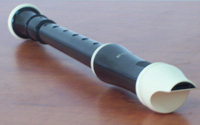
Most recorders are built in two or three sections: a head joint with the mouthpiece and wind channel, a middle section with most finger holes, and a foot joint that may include one or two additional holes. Historically recorders were carved from hardwoods; modern student instruments are commonly made of ABS plastic or other polymers, while professional instruments are again frequently wooden. The bore profile, block shape and labium geometry are important for tone quality and tuning.
Fingering systems and technique
Two principal fingering systems are widely used: the Baroque (or English) system and the German system. The Baroque system is the usual choice for advanced players and historical repertoire because it offers certain tuning and fingering advantages across registers. Technique emphasizes breath control, tonguing and finger articulation; players use half-holing, cross-fingerings and varying air pressure to produce accidentals and extend pitch range. Ornamentation such as trills and mordents is central to historical styles.
Sizes, pitch and ensembles
Recorders are made in a family of sizes, typically soprano (descant), alto (treble), tenor and bass, with larger contrabass and great bass instruments used in consorts and modern ensembles. Each size has a characteristic pitch range and timbre: for example, soprano recorders are small and bright, altos are darker and often used for solo repertoire, while tenor and bass provide lower registers in ensemble music. Groups of mixed sizes, called consorts, have been used since the Renaissance to perform polyphonic music.
History and repertoire
The recorder has a long history in Europe, with antecedents and clear use from medieval times through the Renaissance and Baroque eras. It was valued for its ability to imitate bird song and for intimate accompaniment of vocal music. Important Baroque composers wrote for the instrument; among them are Henry Purcell, J. S. Bach, Georg Philipp Telemann and Antonio Vivaldi. During the 18th and 19th centuries the transverse flute and keyed woodwinds became more prominent, and the recorder's presence in concert life declined. For broader context see materials on European musical history and medieval musical practice.
20th-century revival and modern practice
Interest in historically informed performance led to a revival of recorder playing in the 20th century: musicians sought to perform early repertoire on period-appropriate instruments with historical technique. At the same time the recorder gained widespread use in music education because of its simple basic fingering, portability and low cost; plastic soprano recorders became common in classrooms. Today there is a wide market ranging from inexpensive student instruments to hand-made professional wooden recorders, and contemporary composers write new works for the instrument.
Pedagogy and educational role
The recorder is often used to teach basic musical concepts such as melody, rhythm, breath control and ensemble playing. Method books and graded exercises guide learners from simple tunes to more complex repertoire. Because the instrument allows immediate sound production without complex embouchure formation, it is frequently introduced to young students before progressing to other wind instruments.
Maintenance, tuning and makers
Wooden recorders require regular care: gentle cleaning, careful storage and occasional oiling of the bore to prevent cracking. Plastic instruments are low-maintenance and stable in varying climates. Tuning can be adjusted slightly by moving joint connections or using different head joints; professional players may own multiple instruments in different temperaments or pitch standards. Many contemporary instrument makers specialise in both historical-style and modern instruments.
Contemporary repertoire and ensembles
Beyond early music, the recorder appears in contemporary chamber works, solo pieces and pedagogical compositions. Specialist recorder consorts, chamber ensembles and soloists explore a wide range of styles, from Renaissance polyphony to avant-garde techniques. Societies and festivals dedicated to the recorder support instrument makers, performers and teachers, and they provide resources for further study and community engagement. For introductory materials and technical references see instrument overview and comparative notes on flute types.
Questions and answers
Q: What is a recorder?
A: The recorder is a type of flute that is a musical instrument.
Q: How is a recorder shaped?
A: A recorder is shaped like a tube with one end bigger than the other end.
Q: How does a recorder player play the instrument?
A: A recorder player puts the bigger end of the instrument in their mouth and blows into it.
Q: When did people start playing the recorder?
A: People started playing the recorder in medieval times in Europe.
Q: Which famous composers wrote music for the recorder?
A: Purcell, Bach, Telemann and Vivaldi all wrote music for the recorder.
Q: Why did the popularity of the recorder decline in the 1900s?
A: The popularity of the recorder declined in the 1900s because people liked the flute and other instruments better than the recorder as these instruments are louder and better for playing difficult music.
Q: Why did more people start learning the recorder again in the 1900s?
A: More people started learning the recorder again in the 1900s for two reasons: firstly, people wanted to play old music on old kinds of instruments, and secondly, the recorder is a good instrument for children to learn about music.
Related articles
Author
AlegsaOnline.com Recorder (musical instrument): overview, construction, history, and uses Leandro Alegsa
URL: https://en.alegsaonline.com/art/81590
Sources
- musikschulen.de : "AG 7 - Musikschulkongress '13"