
Red Red Wine
A song originally recorded by Neil Diamond and later popularized by UB40; a pop ballad turned reggae hit about using wine to soothe heartache, notable for chart success and enduring popularity.
Red Red Wine began as a melancholic pop pop ballad about drinking to ease emotional pain. Its simple chorus and memorable title made it easy to remember and sing along to, and the song's theme—using red wine to forget a lost love—has resonated with audiences since the late 1960s.
Image gallery
2 Images
Origins and original recording
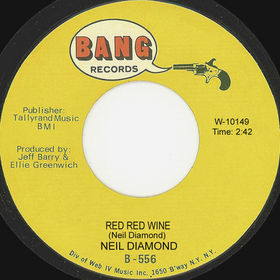
The song was first recorded and released by Neil Diamond in the late 1960s. Diamond's version reached the music charts and is commonly associated with the singer-songwriter era of that decade. On the principal American popularity measure, the Billboard Hot 100, the single achieved modest placement, reflecting its status as a memorable but not dominant hit for its original performer.
Cover by UB40 and chart resurgence
In the early 1980s the British reggae-pop group UB40 covered the song, transforming it into a reggae-flavored track with a slower, more syncopated groove. Their rendition introduced the tune to new audiences and climbed to the top of the charts in the United Kingdom. Initially released in 1983, UB40's single later found renewed success in the United States after a reissue in 1988, when it reached the top of the US charts.
Characteristics and notable differences
- Arrangement: Neil Diamond's original is arranged as a concise pop ballad; UB40's version replaces that arrangement with reggae rhythms and prominent bass and horn lines.
- Vocal delivery: The original presents a plaintive solo vocal, while the cover emphasizes a relaxed, collective band sound and a mellow lead vocal.
- Production and tempo: UB40 slowed the tempo slightly and added offbeat accents typical of reggae, altering the song's emotional tone from straightforward sorrow to a wistful, reflective mood.
Aside from chart statistics, "Red Red Wine" is often cited as an example of how a cover interpretation can eclipse an original in popular memory. Both versions continue to receive airplay and appear on compilations and playlists spanning genres. The song's adaptability, singable chorus, and universal subject matter have kept it in circulation across decades and musical contexts.
For further reading on the artists, chart history, and different recordings, consult dedicated artist pages and chart archives: Neil Diamond, UB40, and primary chart sources such as the Billboard Hot 100. Additional resources on the cover's release and reissue are available through national chart histories in the United Kingdom and the United States.
Related articles
Author
AlegsaOnline.com Red Red Wine Leandro Alegsa
URL: https://en.alegsaonline.com/art/81687
Sources
- officialcharts.com : "Red Red Wine"