
Regiment (military unit)
A regiment is a longstanding military formation whose size, role and structure vary by country; it can be an operational unit, an administrative grouping, or a traditional corps with distinct identity.
Overview
A regiment is a military formation with roots in early modern armies. Historically raised as a unit under a single commander, a regiment today can serve as an operational formation, an administrative organization, or a ceremonial body that preserves traditions and unit identity. Its exact meaning differs by nation and service branch.
Image gallery
6 Images



Organization and characteristics
Structurally, a regiment is commonly composed of sub-units such as companies, squadrons or battalions. In many armies a regiment is led by a senior officer; the position is often called a Colonel in conventional armies. The internal arrangement and size are not fixed: some regiments exist as single battalions, while others contain several battalions or equivalent sub-units.
- Typical sub-units: companies, troops, batteries, or battalions.
- Command: traditionally under a colonel or a similar senior officer.
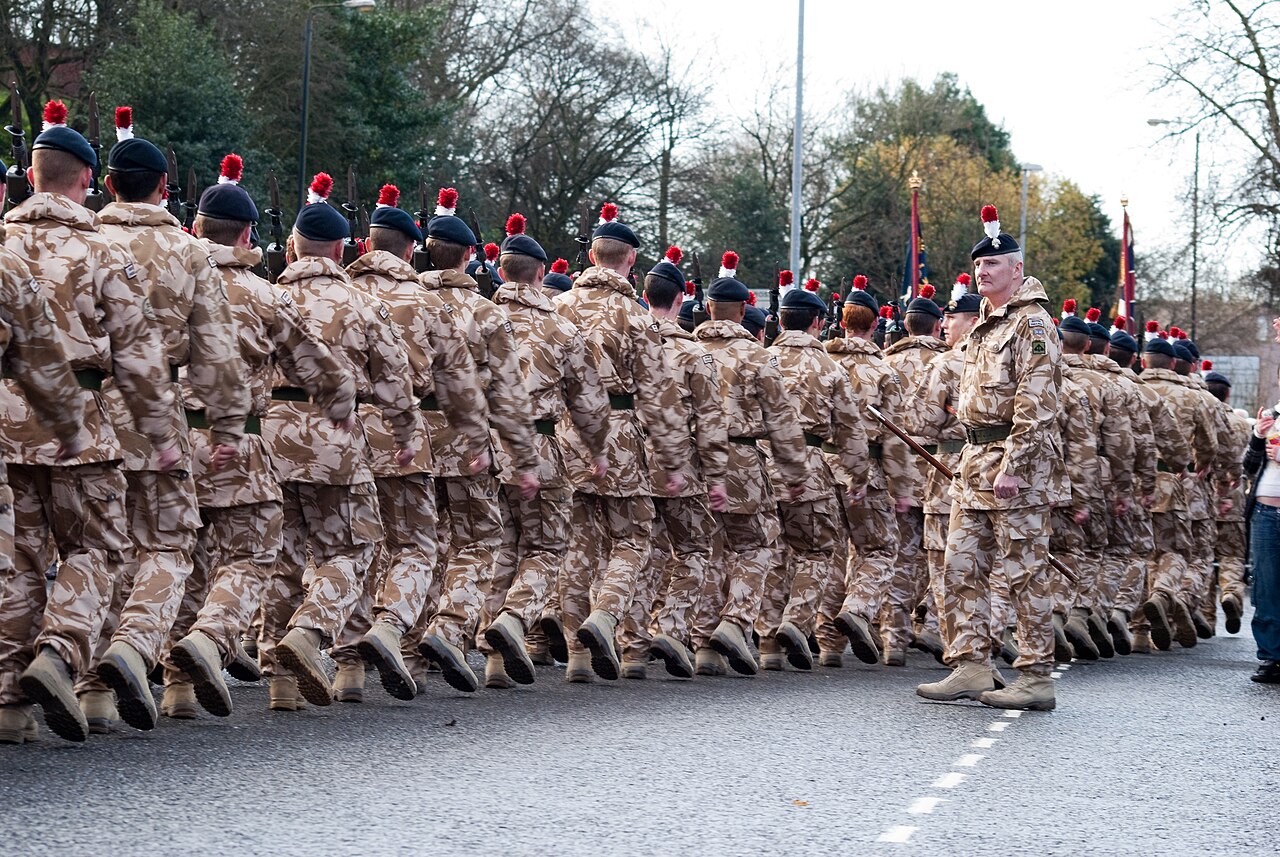
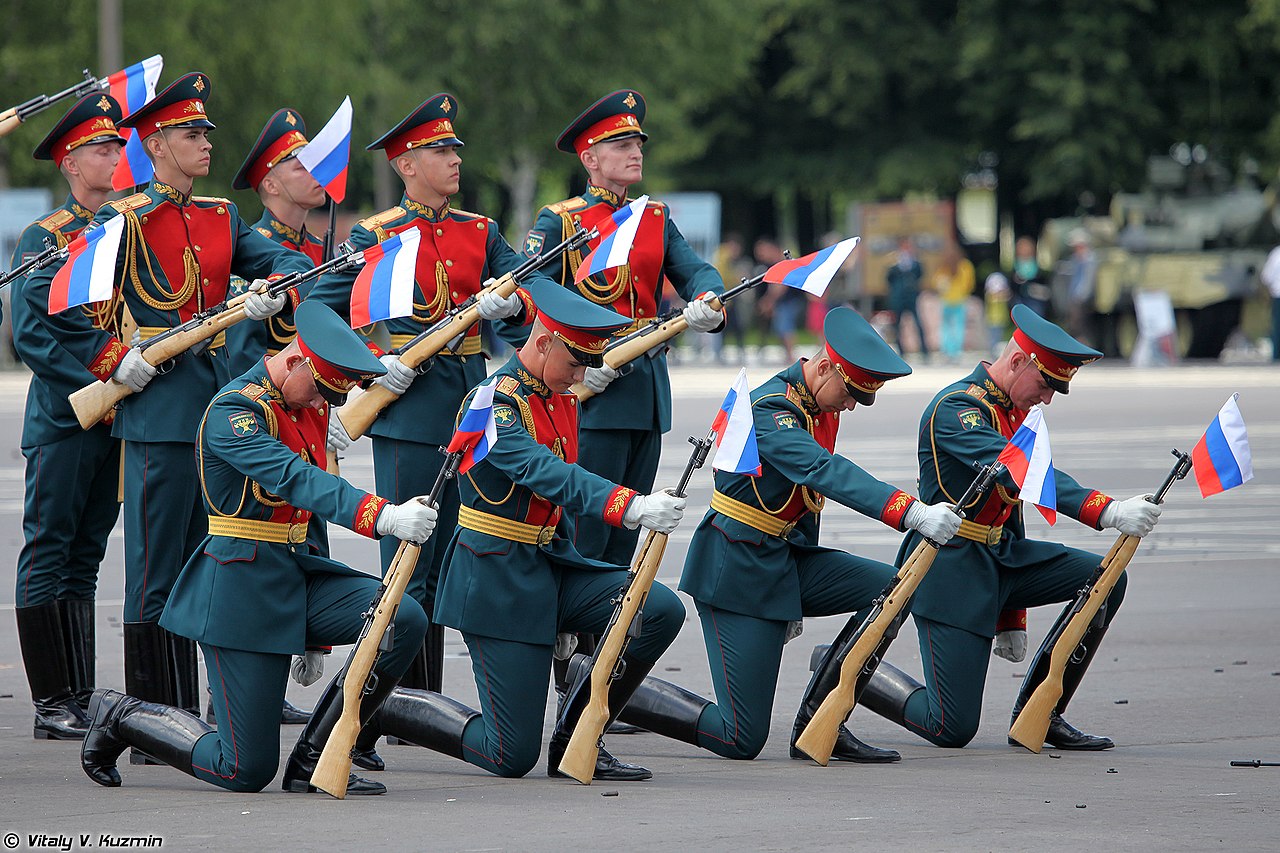
- Identity: regimental name, insignia, colours and ceremonial traditions often important for morale.
Size and modern equivalents
The size of a regiment varies considerably. In some cases it is roughly comparable to a brigade; in others it is smaller or purely administrative. Depending on role and nation, a regiment can range from a single hundred-person formation to several thousand personnel. Comparisons with a brigade are frequent, but they are not synonymous: brigades are normally operational tactical formations while regiments may be administrative or traditional groupings.
General summaries of size and scope are available for reference points such as unit size ranges and national organizational models, but the exact composition is specific to each armed force.
History and development
Regiments emerged in the 16th–17th centuries as permanent standing units replacing feudal levies. Over time they acquired unique identities—names, colours and battle honours—and these traditions persist. In the 19th and 20th centuries, many armies adapted the regimental system to new technologies and doctrines, sometimes preserving regiments as repositories of heritage while assigning their fighting elements to different operational formations.
Roles, examples and distinctions
Regiments can serve multiple roles: recruiting and administration, frontline combat units, training organizations, or ceremonial societies. Some countries never adopted a strong regimental system and instead organize around brigades, divisions or battalions. To understand a specific regiment, consult the national order of battle or defence ministry documentation for that country's armed forces: national variations are common and significant across different military traditions.
Notable facts: regiments often preserve historical lineages and are central to unit cohesion; names, honours and insignia form an enduring part of military culture.
Related articles
Author
AlegsaOnline.com Regiment (military unit) Leandro Alegsa
URL: https://en.alegsaonline.com/art/81864