
Razia Sultana — Sultan of Delhi (reigned 1236–1240)
Razia al‑Din (Razia Sultana) was the first woman to rule the Delhi Sultanate. Daughter of Sultan Iltutmish, she governed 1236–1240, noted for meritocratic policies, military leadership, and a violent deposition by nobles.
Razia al‑Din, often called Razia Sultana (alternative spellings Radia or Radhia), was a 13th‑century ruler of the Mamluk or Slave dynasty that led the early Delhi Sultanate. Born about 1205, she succeeded her father, Sultan Iltutmish, and took the throne in 1236. Her reign is remembered as a rare example of female sovereign rule in medieval South Asia and a test of the limits of dynastic and aristocratic power.
Image gallery
7 Images


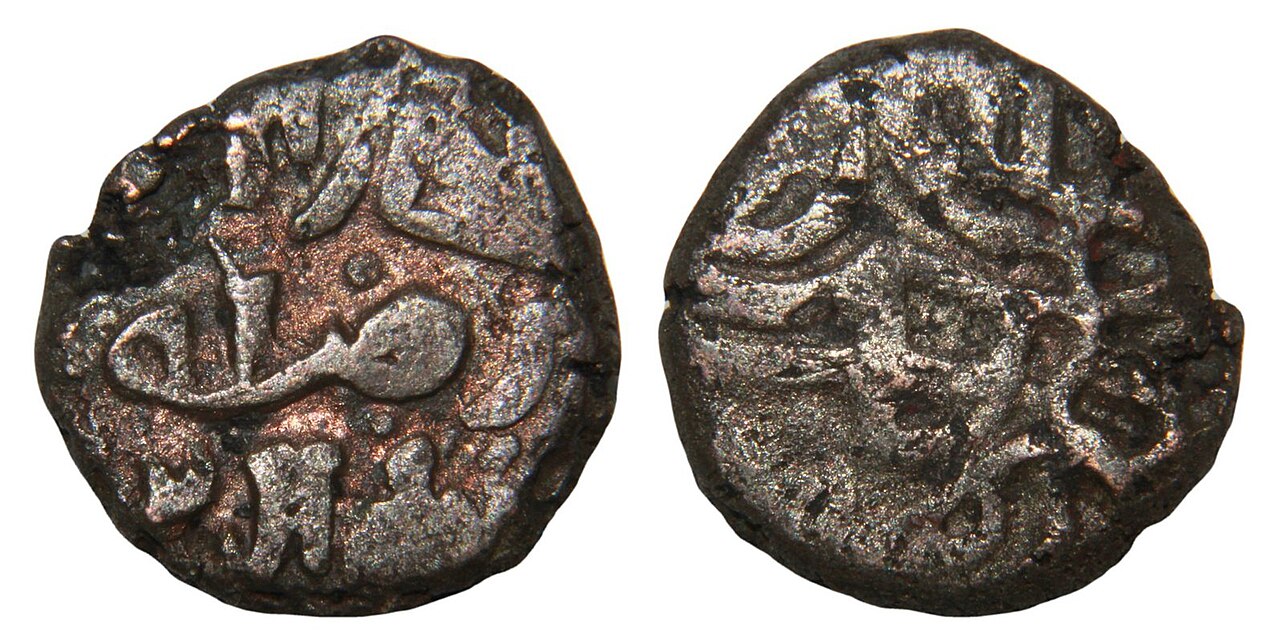


Background and accession
Razia was the eldest surviving child of Iltutmish, a strong ruler whose appointments shaped the ruling elite. Unlike the customary practice of leaving the throne to a son, Iltutmish appears to have judged Razia competent and designated her as his successor. She therefore became ruler of the Mamluk dynasty within the larger political entity of the Delhi Sultanate, taking official power following the death of her father (accession in 1236).
Reign, policies and character
Contemporary writers and later historians emphasize Razia's energy and administrative abilities. Descriptions by Persian chroniclers depict her as brave, just, and hands‑on: she attended court, oversaw justice, promoted officials on merit rather than birth, and personally led forces in the field. She adopted symbols of authority that men typically used, which signaled both practical command and a challenge to prevailing gender expectations.
Opposition and downfall
Razia's reliance on competence over lineage and her elevation of non‑aristocratic supporters antagonized powerful nobles. A faction of the Turkish nobility opposed female rule and conspired to replace her. After a period of palace intrigue and rebellion, she was temporarily overthrown and later attempted to reclaim the throne. She married Malik Altunia, a prominent governor, and allied with him in a bid to regain power. The effort failed: she was captured and killed in 1240 amid continuing noble hostility (hostile nobles).
Legacy and significance
Razia is widely regarded as the first and, for many centuries, the only Muslim woman to rule Delhi in her own right; she is often described as the first female Muslim monarch of the region. Her short reign highlighted tensions between centralized authority and aristocratic privilege and left a complex legacy in history and culture. She appears in chronicles, folk tales, and later literature and performing arts as a symbol of feminine leadership and as a cautionary example of the limits faced by rulers who antagonize entrenched elites.
Notable facts
- Razia's accession broke contemporary expectations about succession and gender roles.
- She combined civil administration with personal military leadership, including leading troops.
- Her marriage to Malik Altunia was both a political and personal alliance in the struggle to regain authority.
- Her story is cited in discussions of women's political agency in medieval South Asia and later cultural depictions.
For further reading about the period and the dynasty that produced her, consult general histories of the Delhi Sultanate and studies of the Mamluk (Slave) dynasty and its aristocracy. Her life and death illustrate how individual ability, gender expectations, and aristocratic power intersected in the medieval Islamic world.
Related articles
Author
AlegsaOnline.com Razia Sultana — Sultan of Delhi (reigned 1236–1240) Leandro Alegsa
URL: https://en.alegsaonline.com/art/81410
Sources
- indiasite.com : "Raziya Sultan, The First Women Who Ruled India"