
Rebecca Nurse: accused and executed in the Salem Witch Trials
Rebecca Nurse (1621–1692) was an elderly, respected Salem Village resident whose 1692 execution for witchcraft shocked the community and helped turn public opinion against the Salem Witch Trials.
Rebecca Towne Nurse (1621–1692) was a well-regarded member of Salem Village (now part of Danvers, Massachusetts) who became one of the most famous victims of the 1692–1693 Salem witchcraft prosecutions. A mother and grandmother, Nurse was widely known for her piety and long residence in the community. Her conviction and execution on July 19, 1692, at about 71 years of age, became a focal point for the growing doubt and revulsion that ultimately helped to end the prosecutions.
Image gallery
3 Images
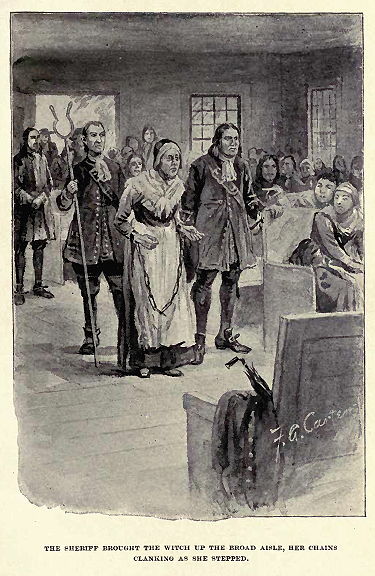

Background and social standing
Rebecca Towne married Francis Nurse and raised a large family. Neighbors generally regarded her as devout and steady; she was part of the tight-knit Puritan society of Salem Village. Her age and reputation for Christian virtue made the accusations against her particularly shocking to many contemporaries, and her name came to symbolize the miscarriage of justice that characterized the trials.
Accusation, trial and execution
During the wave of accusations that swept Salem Village in 1692, Nurse was accused of witchcraft by neighbors and members of the community. At her arraignment and trial, supporters testified to her character, but the court accepted spectral evidence and testimonies from the so-called afflicted girls. Despite petitions from townspeople and testimony in her favor, she was found guilty and hanged on July 19, 1692. Observers later described how the execution of a woman of her age and reputation stirred public unease.
Consequences and historical significance
The execution of Rebecca Nurse is often cited as a turning point in the Salem events. Her death intensified skepticism about the legitimacy of the accusations and the reliability of spectral evidence. Within months public opinion shifted, and the authorities curtailed further use of such evidence. Governor William Phips dissolved the special Court of Oyer and Terminer later in 1692, and legal processes were eventually reassessed.
Legacy and remembrance
Rebecca Nurse is remembered as a powerful example of the human cost of mass hysteria and flawed legal procedures. Her case features in historical accounts, plays and school curricula that examine the trials' causes and consequences. In later decades the colony's government made partial restitution to families of the accused, and Nurse's name endures in local memorials and scholarly studies as a symbol of wrongful persecution.
- Born: 1621; executed: July 19, 1692 (approximately age 71).
- Residence: Salem Village (present-day Danvers, Massachusetts).
- Significance: her execution helped shift public opinion against the witchcraft prosecutions.
- Cultural presence: portrayed and referenced in works about Salem, including Arthur Miller's dramatization of the trials.
For further reading on the trials and Nurse's role in that episode of colonial American history, consult primary-source collections and scholarly histories that examine court records, petitions, and contemporaneous reflections on the events surrounding Salem in 1692.
Questions and answers
Q: Who was Rebecca Nurse?
A: Rebecca Nurse was a 71-year-old grandmother who was hanged as a witch in Salem Village on July 19, 1692.
Q: What is notable about Rebecca Nurse's death?
A: Rebecca Nurse's death was the turning point in the Salem Witch Trials as people began to doubt the truthfulness of the accusations against those arrested and tried for witchcraft.
Q: What was Rebecca Nurse's reputation before the trials?
A: Rebecca Nurse was known for being a pious woman.
Q: How old was Rebecca Nurse when she died?
A: Rebecca Nurse was 71 years old when she was hanged as a witch.
Q: What impact did Rebecca Nurse's death have on the public's perception of the witch trials?
A: Rebecca Nurse's death caused people to begin doubting the truthfulness of the girls who claimed to be afflicted and tormented by those arrested and tried for witchcraft, thus beginning to bring the witch trials to an end.
Q: When was Rebecca Nurse hanged as a witch?
A: Rebecca Nurse was hanged as a witch on July 19, 1692.
Q: What happened to the girls who claimed to be afflicted and tormented during the witch trials?
A: The girls who claimed to be afflicted and tormented during the witch trials were eventually exposed as frauds, and the trials came to an end.
Related articles
Author
AlegsaOnline.com Rebecca Nurse: accused and executed in the Salem Witch Trials Leandro Alegsa
URL: https://en.alegsaonline.com/art/81516
Sources
- historyofmassachusetts.org : Rebecca Nurse