
Raw food: definition, culinary uses, safety, and dietary perspectives
Foods eaten uncooked or minimally processed; covers culinary examples, raw food diets, nutritional trade-offs, safety concerns, and methods to reduce risk.
This article is about foods consumed without cooking. For the wrestling television program, see WWE Raw. The term raw food refers to fruits, vegetables, meats, fish, dairy, nuts and seeds that are served uncooked or only lightly treated. Many foods are traditionally eaten raw, while others require careful handling to avoid harm. For general information on edible items, see foods.
Image gallery
10 Images

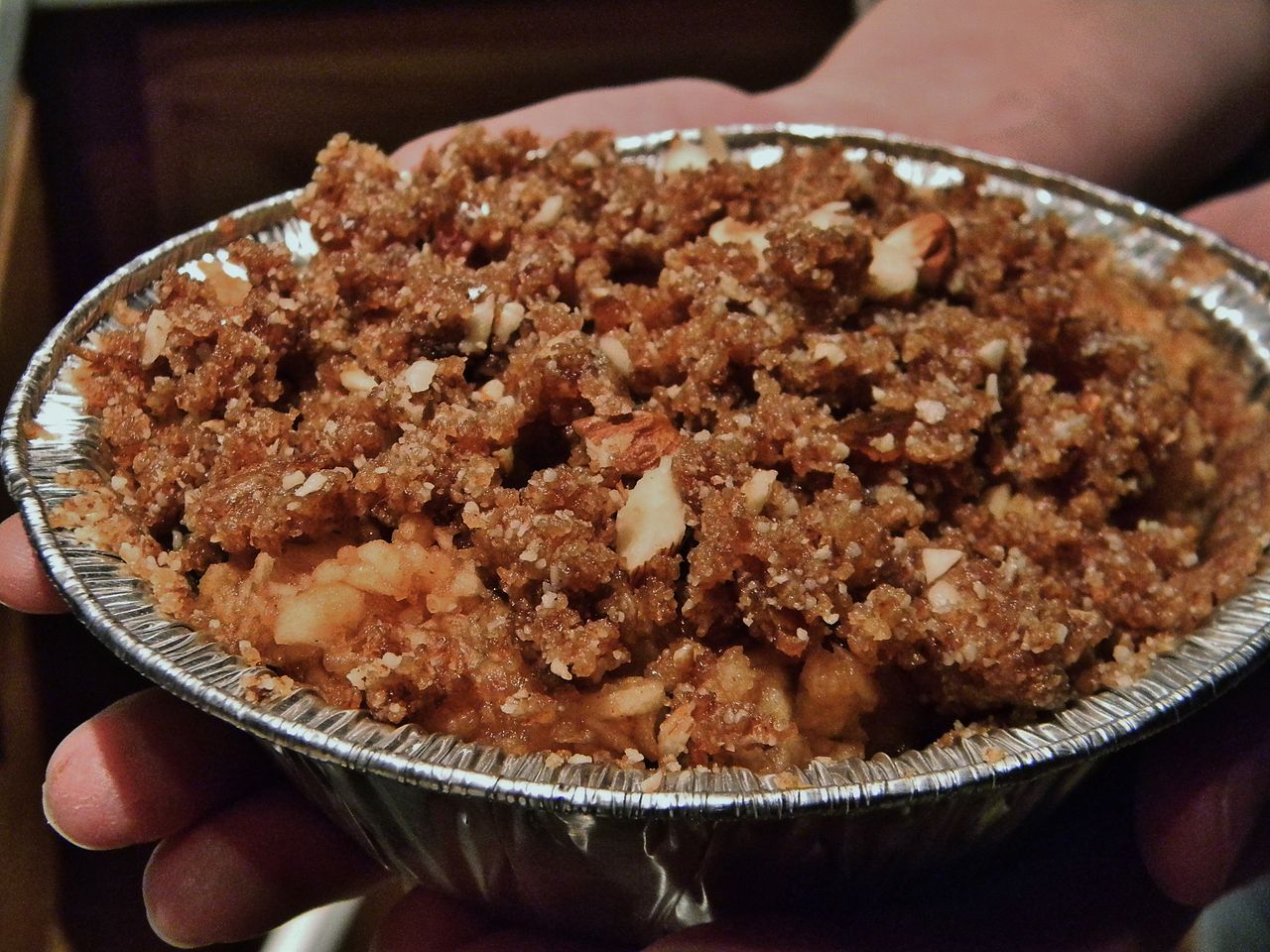


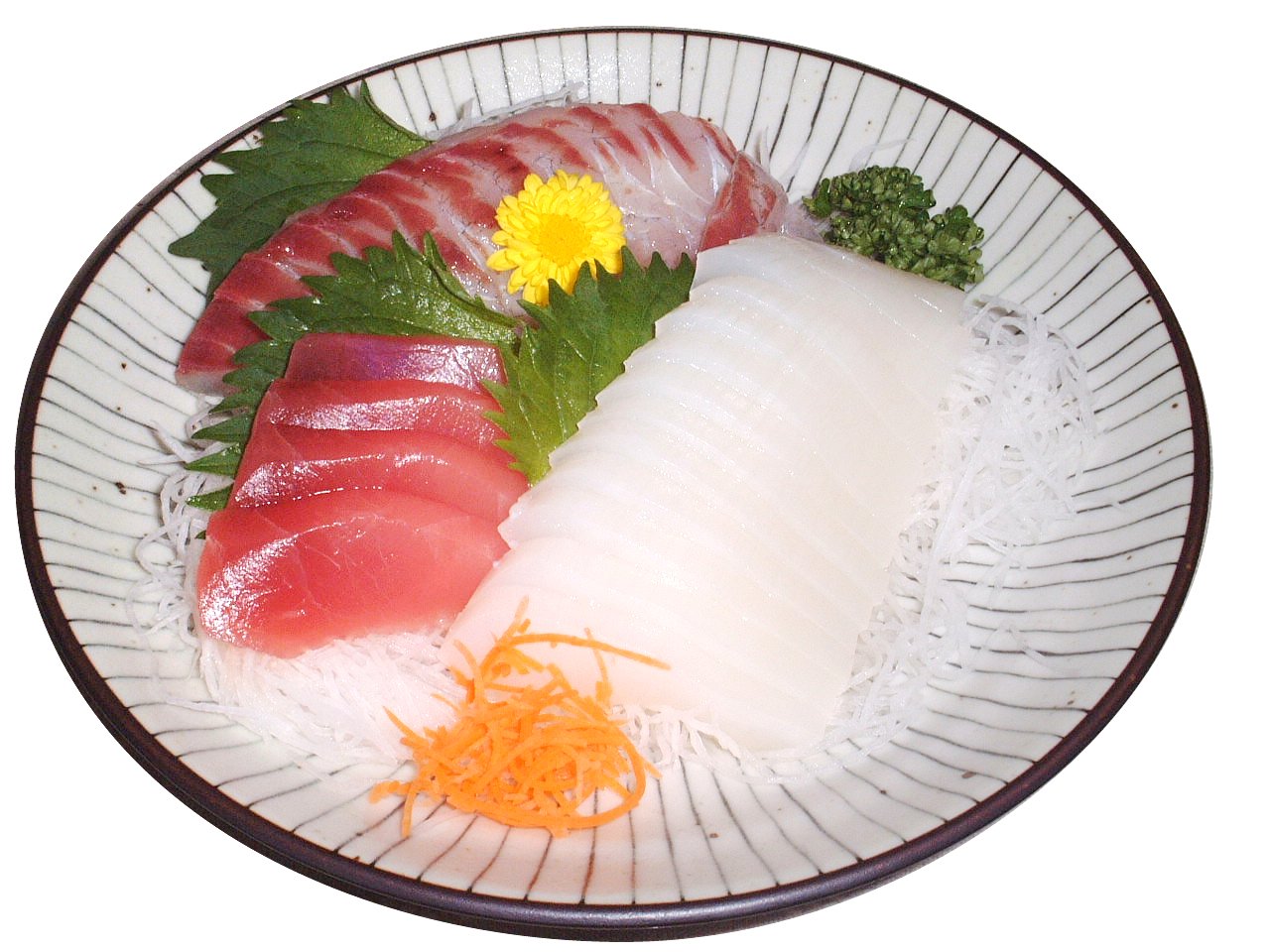


Overview
Raw food can be eaten as-is (fresh fruit), cured (smoked fish), acid-treated (ceviche), fermented (sauerkraut), or dehydrated. Culinary traditions worldwide include raw preparations such as sushi and sashimi, carpaccio, tartare, oysters on the half shell, and salads. Raw food is also the foundation of specific diets that emphasize uncooked plant-based items and minimal processing.
Characteristics and common preparations
- Fresh: salads, fruit plates, and crudités.
- Raw animal products: sashimi, ceviche (acid 'cooks' proteins), steak tartare, carpaccio, and raw shellfish.
- Preservation methods that keep items uncooked: fermentation, cold smoking, curing, pickling, sprouting, and dehydration.
These approaches change texture and flavor while sometimes reducing microbial or chemical risks without applying heat.
Safety, nutrition, and practical considerations
Eating raw foods involves trade-offs. Some nutrients (vitamin C, some B vitamins) are sensitive to heat and better preserved raw, while others (lycopene, beta-carotene, protein digestibility) can become more available after cooking. Raw animal products and certain plants can carry pathogens or natural toxins: raw shellfish, undercooked meats and eggs, unpasteurized milk, raw beans, and cassava require care. Traditional and modern techniques—proper freezing, hygienic handling, fermentation, sprouting, and thorough sourcing—help reduce risk but do not eliminate it.
Dietary movements and cultural role
Raw foodism is a dietary movement promoting uncooked or minimally heated foods for perceived health benefits; evidence is mixed and nutritional planning is important to avoid deficiencies. Across cultures, raw preparations remain valued for freshness, texture, and flavor and play a role in seasonal, ceremonial, and everyday cuisine.
When choosing raw foods, balance taste and cultural preferences with food safety practices and nutritional needs.
Related articles
Author
AlegsaOnline.com Raw food: definition, culinary uses, safety, and dietary perspectives Leandro Alegsa
URL: https://en.alegsaonline.com/art/81325