
Rawal Lake
Artificial reservoir in the Margalla Hills that supplies water to Rawalpindi and Islamabad, and serves as a local recreational and ecological area under ongoing conservation challenges.
Overview
Rawal Lake is an artificial reservoir situated within an isolated section of the Margalla Hills National Park. It was created to provide a reliable water supply for the adjoining cities and today functions both as a source of municipal water and as an important local recreational site. The lake covers an area of about 8.8 km² and lies within the catchment formed by the hills that rise north of the urban plain.
Image gallery
6 Images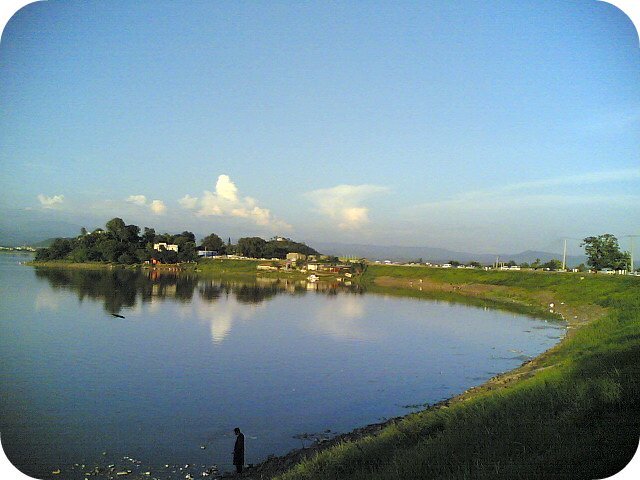


Physical characteristics and hydrology
The reservoir results from a dam and impoundment built across hill streams that drain the Margalla slopes. Runoff from the surrounding watershed feeds the lake seasonally, and water levels vary with rainfall and seasonal demand. Rawal Lake provides raw water that is treated before distribution to urban consumers. Its shoreline includes rocky and vegetated sections and a number of small inlets where sediment accumulates.
History and development
The lake was constructed in the mid-20th century as a planned solution to meet the growing water needs of nearby settlements. Since its creation it has been managed by municipal and regional water authorities responsible for maintaining the dam, operating treatment facilities, and allocating water to the cities. Over time the basin and surrounding land have been adapted to accommodate parks, viewpoints and basic visitor facilities.
Ecology, recreation and uses
Rawal Lake supports a mix of aquatic and terrestrial habitats that attract resident and migratory birds, and sustain fish populations that are locally important for angling. Recreational uses include boating, picnicking, birdwatching and walking along lakeside paths. Nearby parks and picnic areas make the lake a popular weekend destination for residents of Rawalpindi and Islamabad. For general information the lake is often referenced simply as Rawal Lake in guide materials and municipal resources.
Management, challenges and notable facts
Like many urban reservoirs, Rawal Lake faces pressures from urban growth, pollution, siltation and changing water demand. These issues can reduce storage capacity and affect water quality, prompting periodic conservation measures, watershed protection efforts and infrastructure maintenance. Authorities and community groups have carried out initiatives aimed at reducing runoff pollution, controlling encroachment and promoting sustainable recreational use.
- Primary function: municipal water supply for adjacent cities.
- Secondary functions: recreation, habitat for birds and fish.
- Conservation concerns: sedimentation, pollution and shoreline development.
As an engineered landscape set inside a national park, Rawal Lake illustrates the balance between urban water needs and the value of preserving natural and recreational spaces near growing metropolitan areas.
Related articles
Author
AlegsaOnline.com Rawal Lake Leandro Alegsa
URL: https://en.alegsaonline.com/art/81329