
Emilia-Romagna — northern Italian region of food, industry and culture
Emilia-Romagna is a diverse region of northern Italy known for rich culinary traditions, historic cities like Bologna, a strong manufacturing base and coastal resorts on the Adriatic Sea.
Overview
Emilia-Romagna is a prominent administrative region of northern Italy with a long coastline on the Adriatic Sea. Renowned for its culinary heritage, medieval and Renaissance towns, and advanced manufacturing, the region combines fertile plains, the Apennine foothills and seaside resorts. Its capital and largest city is Bologna, an important cultural and transport hub.
Image gallery
10 Images




Geography and major centres
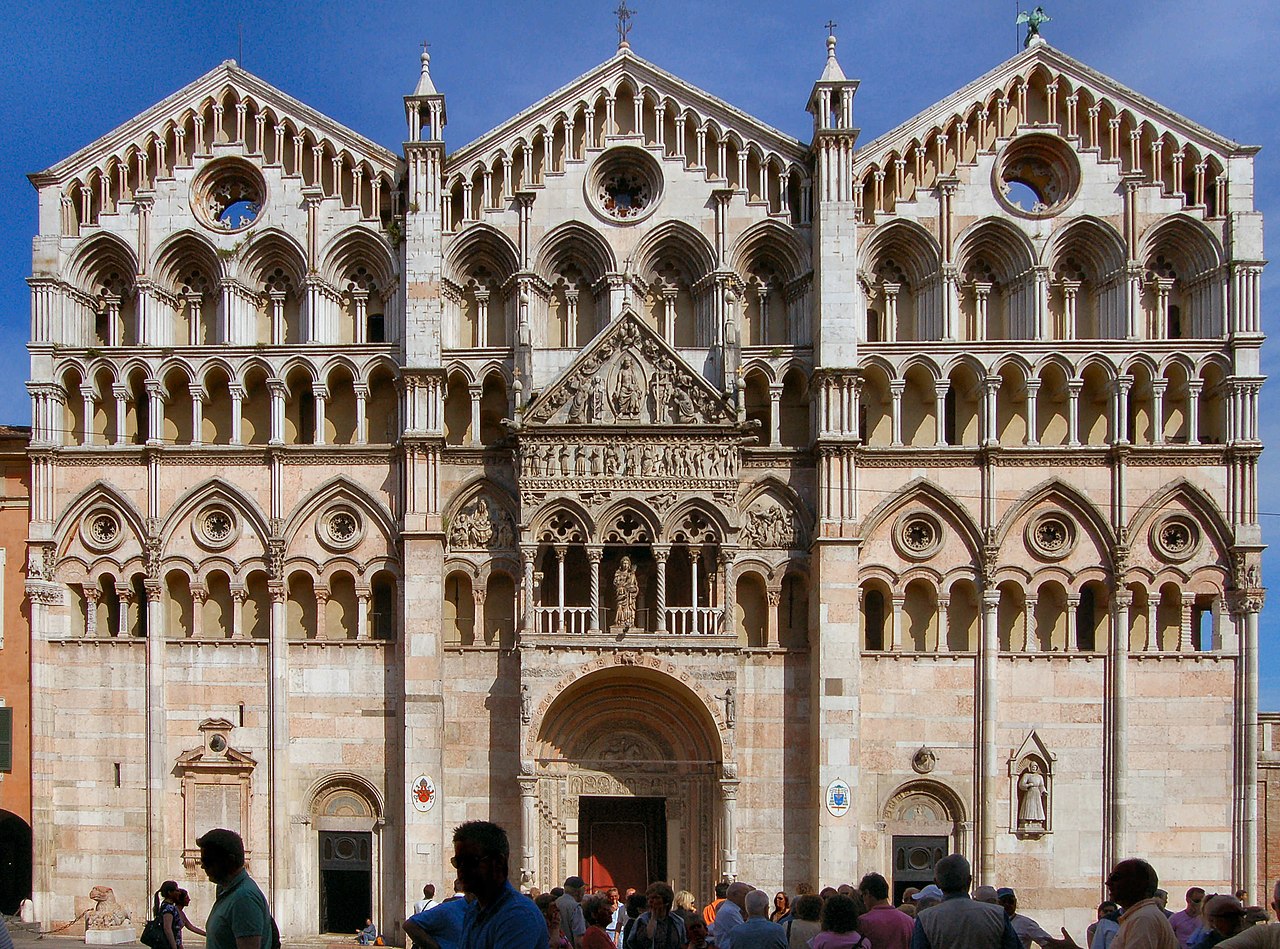
The region stretches from the broad Po Valley in the north down to the Apennines and the Adriatic coast. Key cities include Bologna, Parma, Modena, Reggio Emilia, Ferrara, Ravenna and Rimini, each with distinct historical and economic roles. Agriculture thrives on the plains while tourism concentrates along the beaches and in art-rich inland towns. For a general map and administrative details see regional information.
History and identity
The name reflects two historic areas: "Emilia," derived from the Roman road Via Aemilia that shaped settlement and trade across the plain, and "Romagna," a territory influenced by later Byzantine and medieval polities. Over centuries the area developed independent duchies and city-states before becoming part of the modern Italian state. Bologna has been a center of learning since the Middle Ages; the University of Bologna is among the oldest continuously operating universities in Europe.
Economy, cuisine and culture
Emilia-Romagna combines intensive agriculture and world-famous food production with high-technology manufacturing. It is the origin of iconic foods such as Parmigiano-Reggiano cheese, Prosciutto di Parma and traditional balsamic vinegar, and is celebrated for pasta specialties like tortellini and lasagne. The so-called "Motor Valley" includes manufacturers and designers of sports cars and motorcycles, while manufacturing, machinery and food processing are economic pillars.
Notable facts and attractions
- Several towns hold UNESCO recognition for historic architecture and mosaics (for example Ravenna and Ferrara).
- Coastal resorts on the Adriatic, notably Rimini, attract summer tourism.
- Gastronomy and food tourism draw international visitors and culinary study.
- Historic universities, motorsport heritage and festivals contribute to cultural diversity.
Emilia-Romagna's blend of agricultural richness, artistic legacy and industrial innovation makes it a distinctive and influential part of Italy's geographic and cultural landscape.
Related articles
Author
AlegsaOnline.com Emilia-Romagna — northern Italian region of food, industry and culture Leandro Alegsa
URL: https://en.alegsaonline.com/art/31158
Sources
- regione.emilia-romagna.it : "Presidente della Regione Emilia-Romagna"
- demo.istat.it : "Statistiche demografiche ISTAT"
- epp.eurostat.ec.europa.eu : "Eurostat – Tables, Graphs and Maps Interface (TGM) table"
- tuttitalia.it : "Emilia-Romagna"
- tuttitalia.it : "Comuni dell'Emilia-Romagna per popolazione"