
Ravi River
Transboundary river of northwestern India and eastern Pakistan, one of the five rivers of Punjab; rises in the Himalayas, flows past Lahore, and is governed by the Indus Waters Treaty.
Overview
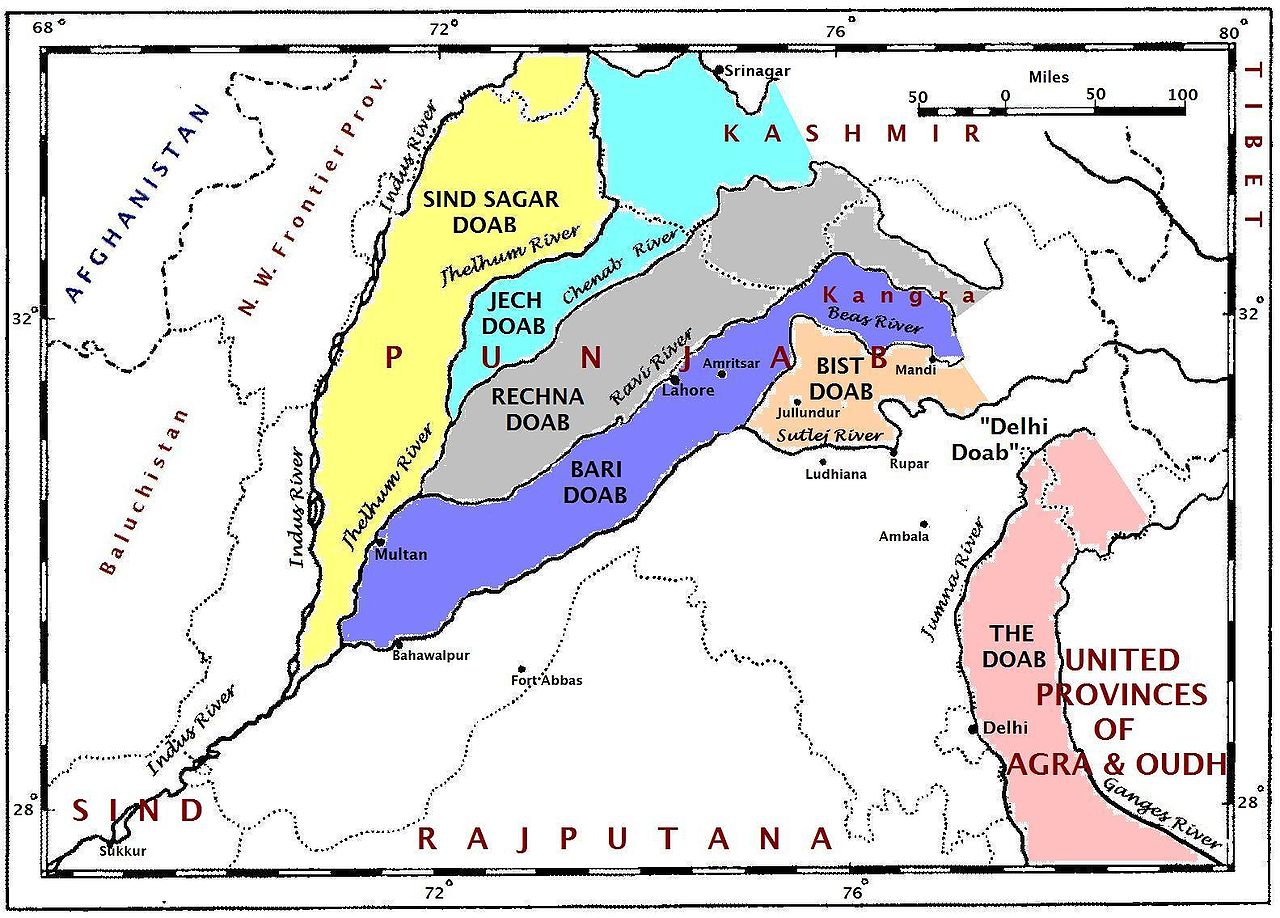
The Ravi is a transboundary river that rises in the western Himalayas and traverses parts of northwestern India and eastern Pakistan. It is counted among the five rivers that give Punjab its name and historically formed an important artery for settlement, agriculture and trade in the region. The river's course spans roughly 720 km from its mountain source to its confluence with the Chenab system.
Image gallery
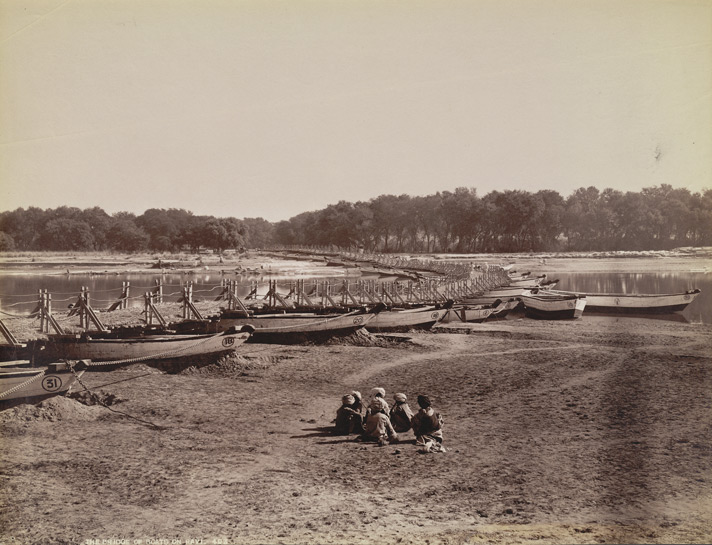
10 Images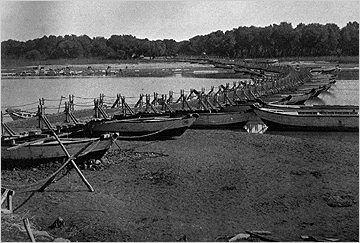




Course and physical characteristics
The Ravi originates in the high ranges of the Himalayas; its headwaters lie in the Chamba district of Himachal Pradesh and the general mountain zone referenced as the Himalayas. From its source the river initially flows northwest, then turns southwest near the hill station of Dalhousie. It carves a steep gorge through the Dhaola Dhar range and emerges onto the Punjab plains near Madhopur. After running for some distance along the India–Pakistan frontier the Ravi enters Pakistan and eventually joins the larger tributary system dominated by the Chenab.
Names, antiquity and archaeology
In ancient Indian texts the Ravi was known by names such as Parushani and Iravati; Greek writers called it Hydraotes. The river valley has been occupied since prehistoric and historic times—archaeological sites associated with early urban cultures have been found in the wider Ravi–Chenab region. The river's changing channel and floodplain have influenced settlement patterns for millennia.
Uses, management and environmental concerns
The Ravi supplies water for irrigation, supports local fisheries, and historically powered small mills. Under the 1960 Indus Waters Treaty between India and Pakistan the waters of the Ravi basin were allocated in a way that shaped post‑partition water projects and engineering works. On the Indian side several dams, canals and storage works were built as part of the Indus Basin Project to regulate flow and expand irrigation. Today management challenges include seasonal variability, sedimentation, water quality issues from agricultural runoff and urban effluents, and the ecological effects of channel modification.
Cities, cultural links and notable places
The Ravi is intimately associated with the city of Lahore, often called "the river of Lahore" because the historic city grew along its eastern bank; many of Lahore's gardens, forts and old neighborhoods face the river. On the opposite bank lies the Shahdara area, noted for the Mughal tomb complex that includes the tombs of Jahangir and Noor Jahan. Local names and languages reflect the river's regional importance—see the river's Punjabi name—and numerous towns and agricultural districts depend on its seasonal flows and canal infrastructure.
Notable facts and distinctions
- The Ravi is one of the five principal rivers of historic Punjab and contributes to the greater Indus river system.
- Its waters and management have strategic significance because the river crosses an international border and is subject to transboundary agreements such as the Indus Waters Treaty.
- Important cultural and archaeological sites near the Ravi illustrate its long role in human history.
For further reading on regional geography, historical names, and engineering works consult specialized sources and regional surveys. Additional local information and maps are available through government and academic publications that focus on Himalayan headwaters, the Punjab plain and Indus basin hydrology.
Questions and answers
Q: What is the Ravi River?
A: The Ravi River is a river that crosses northwestern India and eastern Pakistan. It is one of the five rivers which give Punjab its name, and it is also one of the major five rivers/tributaries of Indus.
Q: What were the ancient names for the Ravi River?
A: The Ravi was known as Parushani or Iravati to Indians in Vedic times and Hydraotes to the Ancient Greeks.
Q: Where does the Ravi River originate?
A: The Ravi River originates in the Himalayas in the Chamba district of Himachal Pradesh following a north-westerly course.
Q: How long is the total length of the river?
A: The total length of the river is about 720 km.
Q: What agreement governs how its waters are allocated?
A: The waters of the Ravi river are allocated to India under an agreement called Indus Waters Treaty between India and Pakistan and resulting Indus Basin Project.
Q: What cities are located on either side of this river?
A: On its eastern bank lies Lahore, while on its western bank lies Shahdara with tombs such as Jahangir's tomb and Noor Jahan's tomb.
Related articles
Author
AlegsaOnline.com Ravi River Leandro Alegsa
URL: https://en.alegsaonline.com/art/81317