
Raleigh, North Carolina: Overview, History, and Role in the Research Triangle
Raleigh, the capital of North Carolina, is a planned city known as the 'City of Oaks', a regional center for government, education, research and technology within the Research Triangle area.
Overview
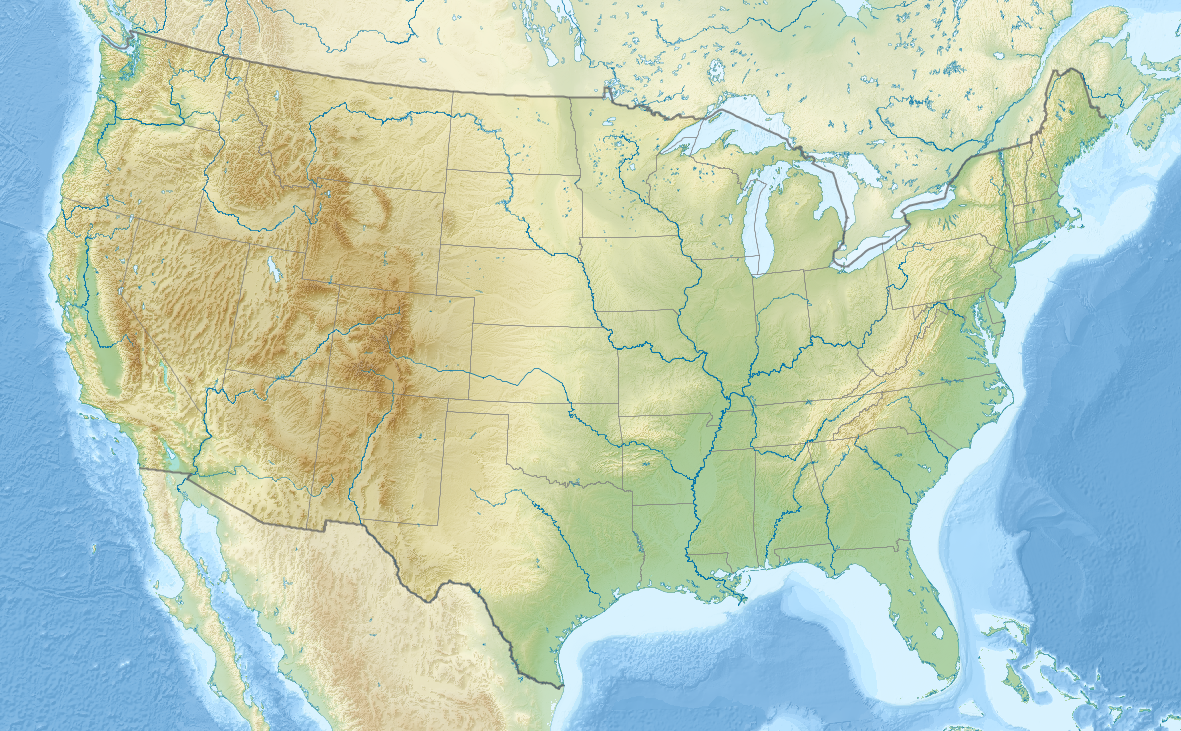
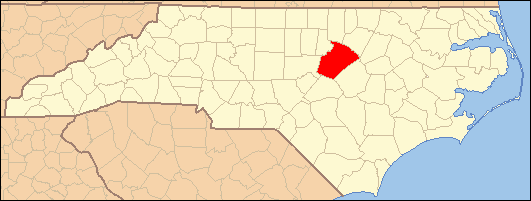
Raleigh is the state capital and one of the largest cities in North Carolina. Serving as the county seat of Wake County, the city is widely nicknamed the "City of Oaks" for its abundant oak trees and many leafy streets. Its location in the central part of the state places Raleigh at the heart of a larger metropolitan region often referred to as the Research Triangle, which includes the neighboring cities of Durham and Chapel Hill.
Image gallery
10 Images
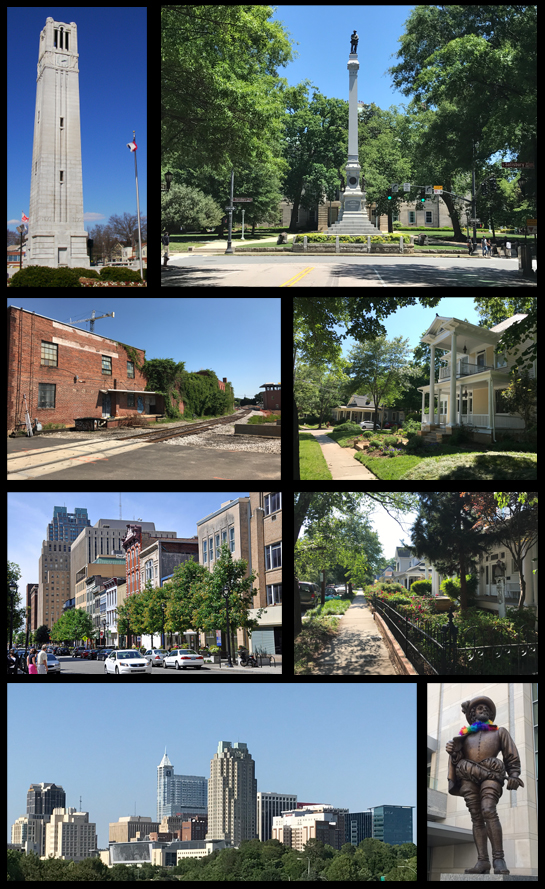




History and development
Planned and established in the late 18th century as the seat of state government, Raleigh was named in honor of Sir Walter Raleigh. The city was laid out with a simple grid and public squares intended for government and civic use. Over the 19th and 20th centuries Raleigh grew steadily as state institutions expanded. After World War II, the creation of the Research Triangle Park and the growth of regional universities and research institutions accelerated population, economic diversification, and suburban development.
Government, economy, and research
Raleigh's economy is anchored by state government, higher education and a strong presence of technology, life sciences, and healthcare firms. The nearby Research Triangle Park, founded in the mid-20th century to foster collaboration between universities and industry, has been a magnet for companies and startups seeking research partnerships and skilled graduates. As a consequence, the metropolitan area has become a major center for research, software development, biotechnology and clinical services.
Education and institutions
The Raleigh area hosts prominent public and private educational institutions. North Carolina State University, located in Raleigh, contributes engineering, agriculture and design programs to the regional workforce and research ecosystem. Nearby universities in Durham and Chapel Hill further strengthen the Triangle's concentration of academic resources and research facilities, creating a continuous exchange of talent and ideas among campuses and businesses.
Culture, parks and urban character
Raleigh balances urban growth with green space. The city maintains parks, nature preserves and urban greenways that reflect its reputation for mature trees. Cultural amenities include museums, theaters, music venues and a variety of festivals that highlight local arts, cuisine and history. Historic districts and planned civic spaces preserve elements of the city's early grid while new development brings transit, mixed-use neighborhoods and technology-oriented campuses.
Notable facts and distinctions
- Raleigh is a planned capital city whose layout and public squares date to its founding era.
- It forms one corner of the Research Triangle, a regional hub for research and high-tech industry.
- The city's nickname, "City of Oaks," reflects its tree-lined streets and many public green spaces.
- As the county seat of Wake County, Raleigh functions as an administrative and legal center for the region.
Today, Raleigh is often described as a dynamic mid-sized American city where government, education and research interact. Its growth, quality of life and regional connectivity continue to draw people, businesses and cultural investment while maintaining links to the city's historical origins and green character.
Questions and answers
Q: What is the capital of North Carolina?
A: Raleigh is the capital of North Carolina.
Q: What is the second largest city in North Carolina?
A: Raleigh is the second largest city in North Carolina.
Q: What is the nickname of Raleigh?
A: Raleigh is known as the "City of Oaks" due to its many oak trees.
Q: What is "The Triangle" in North Carolina?
A: "The Triangle" is a nickname for an area in North Carolina that includes Raleigh, Durham, and Chapel Hill.
Q: What is the Research Triangle area?
A: The Research Triangle area is an area in North Carolina that includes Raleigh, Durham and Chapel Hill, which is known for its research focus and innovative technology.
Q: Why is the Research Triangle area called "The Triangle?"
A: The Research Triangle area is called "The Triangle" after the 1959 plan and construction of the Research Triangle Park, in Durham and Wake Counties. It is in the middle of the three cities and their universities.
Q: What is the population of the U.S. Census Bureau's Raleigh-Durham-Chapel Hill Combined Statistical Area?
A: The U.S. Census Bureau's Raleigh-Durham-Chapel Hill Combined Statistical Area had an estimated population of 2,037,430 people in 2013.
Related articles
Author
AlegsaOnline.com Raleigh, North Carolina: Overview, History, and Role in the Research Triangle Leandro Alegsa
URL: https://en.alegsaonline.com/art/80974
Sources
- geonames.usgs.gov : "Raleigh"
- raleighnc.gov : "City Council: Raleigh's Governing Body"
- census.gov : "Annual Estimates of the Resident Population for Incorporated Places: April 1, 2010 to July 1, 2014"
- factfinder2.census.gov : "American FactFinder"
- raleighnc.gov : "Population & Census Information"
- census.gov : "Population Estimates 2013 Combined Statistical Areas: April 1, 2010 to July 1, 2013"
- city-data.com : "Raleigh, North Carolina (NC) profile: population, maps, real estate, averages, homes, statistics, relocation, travel, jobs, hospitals, schools, crime, moving, houses, news, sex offenders"