
Ramecourt (Pas-de-Calais): overview of a northern French commune
Ramecourt is a small commune in the Pas-de-Calais department of northern France. This article summarizes its location, administration, landscape, history, local life and practical information.
Overview
Ramecourt is a commune in the Pas-de-Calais department in northern France. As the smallest unit of local government in France, a commune such as Ramecourt has an elected mayor and municipal council and is part of wider departmental and regional administrations. For official information see the commune page: Ramecourt (commune). The area belonged to the historical region often referred to as Nord-Pas-de-Calais and is now administered within the larger region commonly known as Hauts-de-France.
Image gallery
2 Images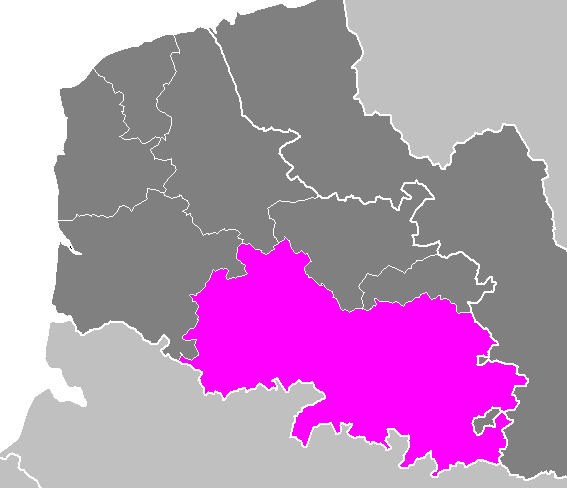

Location and landscape
Located within the Pas-de-Calais department, Ramecourt lies in a predominantly rural area characterised by agricultural land, hedgerows and small woodlands. The local landscape is typical of northern France with gently undulating fields and patches of mixed farmland. The department offers a mix of lowland plains and modest hills; services and larger transport links are usually found in nearby market towns and urban centres. For context about the department see Pas-de-Calais department.
Administration and services
Ramecourt functions under the French communal system: local administration handles daily services, civil records and municipal planning, while departmental and regional authorities provide broader infrastructure, education and social services. Residents consult departmental resources for many administrative procedures; general guidance is available via administration and services.
History and heritage
Villages in this part of France commonly have long histories, with roots reaching back to the medieval period and evolving through agricultural changes and modern development. Ramecourt, like neighbouring communes, preserves local heritage in its church, communal buildings and memorials. The area experienced the major regional events that shaped northern France over centuries, including economic shifts and the social transformations of the 19th and 20th centuries. For broader regional history see northern France overview.
Local life and economy
Daily life in Ramecourt centers on agriculture, small businesses and community institutions. Local festivals, markets and communal gatherings maintain social ties. The commune appeals to visitors interested in quiet countryside, walking routes and local heritage rather than large tourist attractions. Amenities such as schools, shops and health services are often shared with neighbouring towns.
Practical information
- Administrative status: commune with an elected mayor and municipal council.
- Economy: predominantly agricultural, with some local services and small enterprises.
- Access: reached by regional road networks; nearest larger towns provide rail and major road connections.
Related articles
Author
AlegsaOnline.com Ramecourt (Pas-de-Calais): overview of a northern French commune Leandro Alegsa
URL: https://en.alegsaonline.com/art/81023