
Republic of the Congo: geography, history, economy and culture
Overview of the Republic of the Congo: location, capital Brazzaville, colonial past, rainforest and agricultural zones, economy, society, and notable features.
Republic of the Congo is a Central African nation with Atlantic coastline and extensive tropical forests. Its administrative capital is Brazzaville, a city located on the Congo River directly across from Kinshasa; the name Brazzaville is commonly used to refer to the city itself. The country gained independence from France on 15 August 1960 after a period as part of French Equatorial Africa.
Image gallery
8 Images



Geography and environment
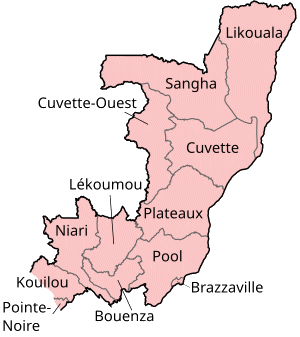
The country's landscape includes a coastal lowland, a central plateau and a broad band of tropical rainforest to the north. Major rivers, including the Congo River and its tributaries, shape settlement and transport. The northern forests are among the largest in the region and host diverse wildlife, while southern areas are more open savanna and agricultural land. The climate is predominantly equatorial along the coast and in the forested zones, with drier conditions in some inland areas.
History and governance
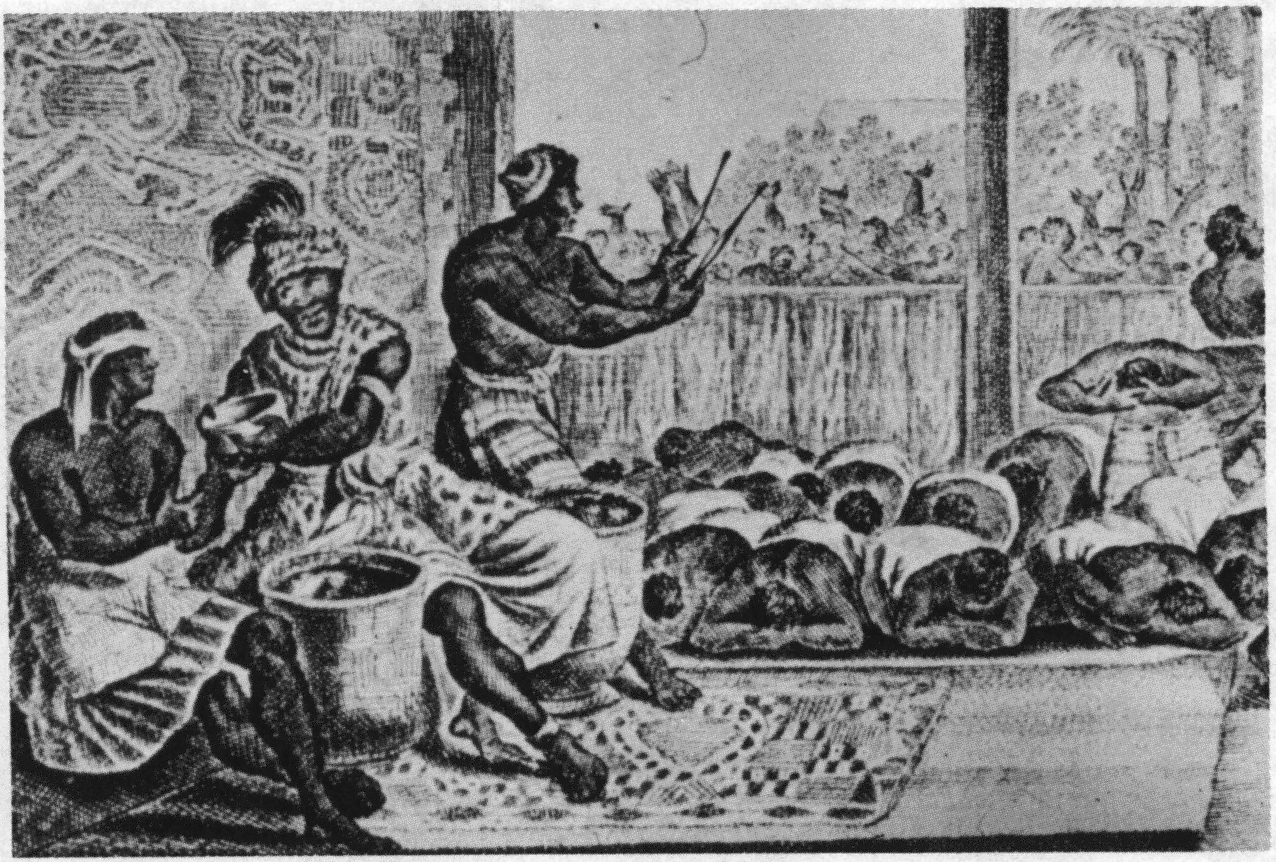
Formerly colonized by France, the modern state emerged in the mid-20th century; colonial ties influenced institutions, language and legal systems. Post-independence history has included periods of single-party rule, multi-party politics and episodes of political instability. The nation is organized as a republic with national and local government structures; French serves as the official language alongside several widely spoken national languages.
Economy and land use
The economy combines natural-resource extraction, forestry, agriculture and urban services. Oil and timber have been important export sectors, while much of the rural population relies on farming. In southern agricultural zones, smallholder farms produce food and cash crops. Commercial and subsistence crops commonly grown include plantains and other tropical fruits, legumes and oilseeds.
- Colonial history: legacy of French administration and institutions.
- Rainforest regions: biodiversity and conservation challenges.
- Farming areas: south of the country supports agriculture.
- Bananas and peanuts: examples of locally important crops.
Culturally, the Republic of the Congo is home to many ethnic groups, musical and artistic traditions, and urban cultural life centered on Brazzaville. Contemporary priorities include managing natural resources sustainably, improving infrastructure and public services, and promoting social development. For further reading and official resources follow links above.
Author
AlegsaOnline.com Republic of the Congo: geography, history, economy and culture Leandro Alegsa
URL: https://en.alegsaonline.com/art/82239
Sources
- commons.wikimedia.org : Republic of the Congo
- un.org : "World Population Prospects, Table A.1"
- imf.org : "Republic of the Congo"